Top locations in Ternopil region
From majestic castles to cozy canyon towns — discover Ternopil region in a new way.
1. The "Svitlytsia Maistra" (Master’s Parlor) Museum of Antiquities
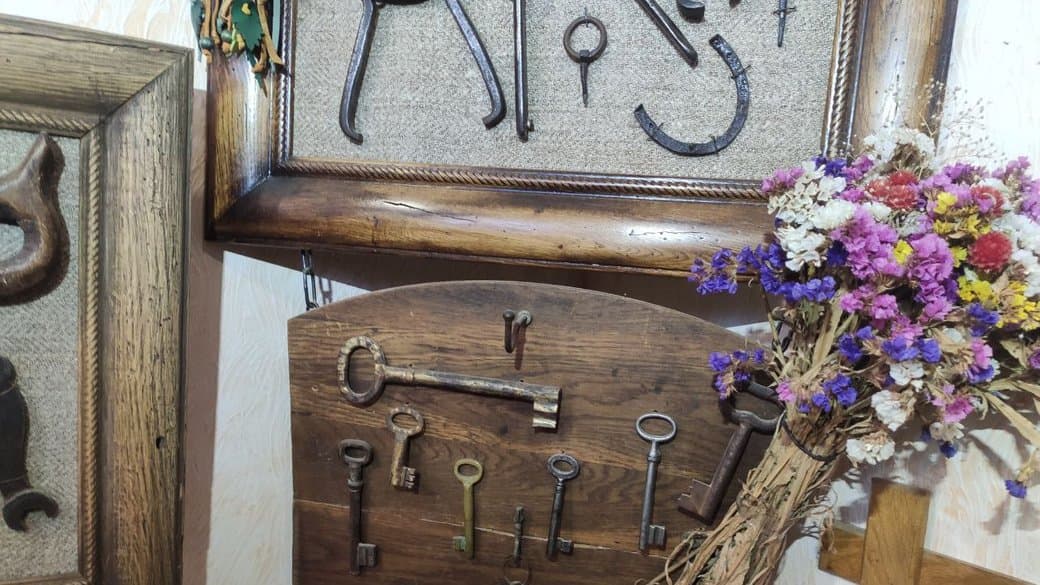
Slobidka village, Kozliv territorial community, Ternopil district, 47632, Ukraine.EasyA family museum of antiquities where you can discover centuries-old implements, traditional tools, everyday artifacts, and tableware dating back more than 100 years. Remarkably, most of these historical pieces remain fully functional to this day. In addition to cherished family heirlooms, the collection features unique exhibits gathered from various regions across Ukraine. The exhibition is housed in an authentic, historic Lemko-style cottage built by the great-grandfather of the museum’s founders.
Car, Bicycle, BusAll yearAsphaltSuitable for childrenMixedHistorical, Peaceful, FamilyCouples, Families, Companies, Solo travelers, Elderly4G1. The "Svitlytsia Maistra" (Master’s Parlor) Museum of Antiquities
Slobidka village, Kozliv territorial community, Ternopil district, 47632, Ukraine.EasyA family museum of antiquities where you can discover centuries-old implements, traditional tools, everyday artifacts, and tableware dating back more than 100 years. Remarkably, most of these historical pieces remain fully functional to this day. In addition to cherished family heirlooms, the collection features unique exhibits gathered from various regions across Ukraine. The exhibition is housed in an authentic, historic Lemko-style cottage built by the great-grandfather of the museum’s founders.
Car, Bicycle, BusAll yearAsphaltSuitable for childrenMixedHistorical, Peaceful, FamilyCouples, Families, Companies, Solo travelers, Elderly4G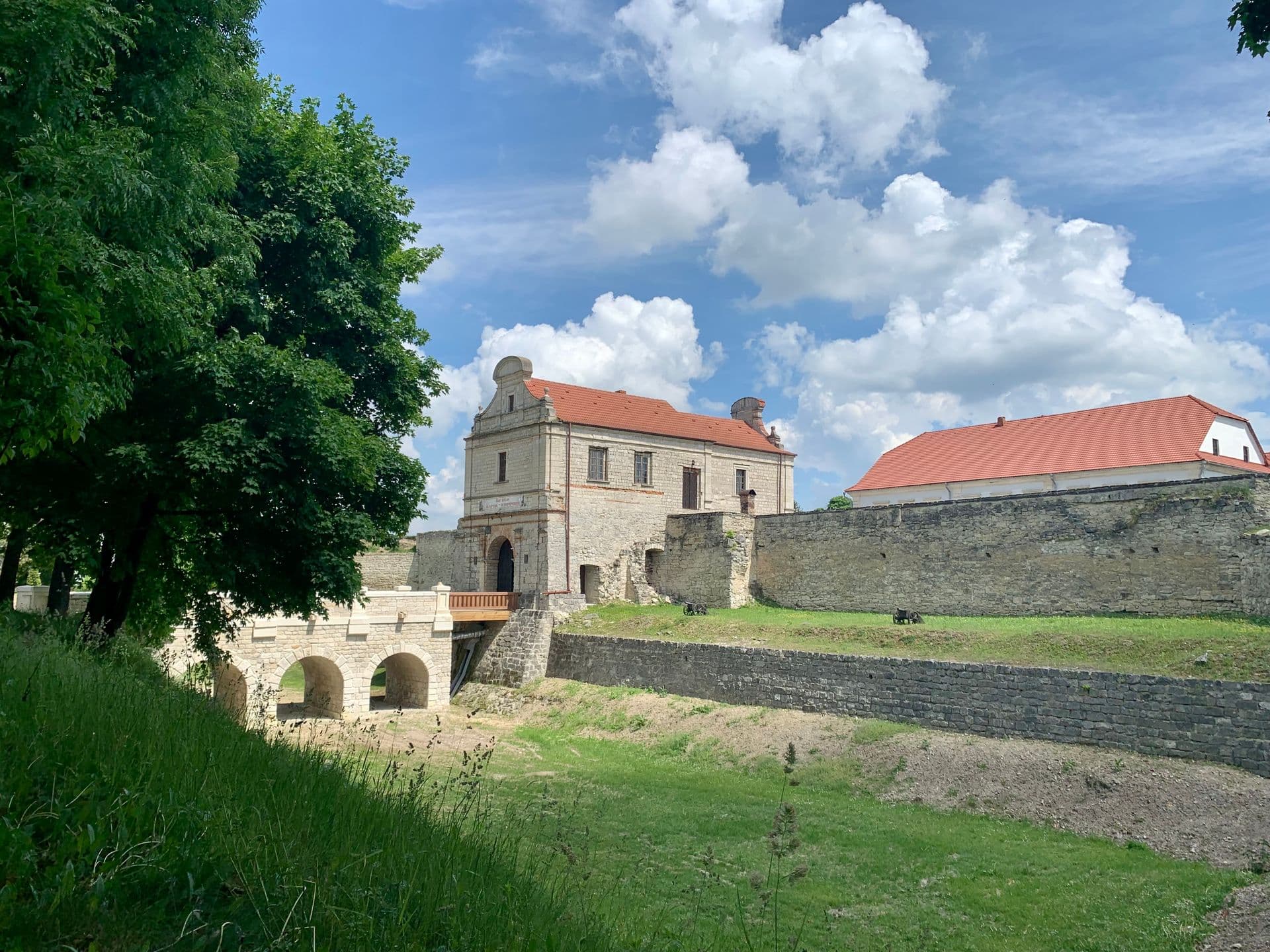
2. Zbarazh Castle
28 B. Khmelnytskoho St., Zbarazh, Ternopil Oblast, UkraineEasyZbarazh Castle is one of the most prominent historical and cultural monuments of the Ternopil region. It was built in 1626–1631 through the efforts of Princes Yurii and Khrystofor Zbarazkyi. The fortified palace residence was based on a design by the famous Italian architect Vincenzo Scamozzi. The fortress incorporated the latest advances in fortification art, consisting of a palace, casemates, four bastions, a gate tower, and a deep moat. Later, the subsequent owners, the Vishnevetsky princes, expanded the fortifications with a bastion layout. In 1649, during a seven-week siege by Cossack and Tatar forces, the Cossack colonel Nestor Morozenko died beneath its walls. Throughout the 17th and 18th centuries, the fortress was repeatedly damaged by Turkish, Tatar, and Russian troops, but it was rebuilt each time. In the 19th century, the building lost its defensive purpose, and during the Polish-Soviet period as well as both World Wars, it suffered new damage followed by partial restorations. Large-scale reconstruction of the complex began in 1965. In 1994, a state reserve was established based on the local historical landmarks, which later earned the status of the 'Castles of Ternopil Region' National Reserve. Today, numerous halls in the palace and casemates have been restored, housing over 20 exhibition spaces. The castle serves as a vibrant hub for regional cultural and artistic events, forums, and theatrical tours.
On footAll yearParkingWCCafe nearbyInstagram spotAsphaltSuitable for childrenPaidRomantic, Historical, Peaceful, FamilyCouples, Families, Companies, Solo travelers, Elderly4G2. Zbarazh Castle
28 B. Khmelnytskoho St., Zbarazh, Ternopil Oblast, UkraineEasyZbarazh Castle is one of the most prominent historical and cultural monuments of the Ternopil region. It was built in 1626–1631 through the efforts of Princes Yurii and Khrystofor Zbarazkyi. The fortified palace residence was based on a design by the famous Italian architect Vincenzo Scamozzi. The fortress incorporated the latest advances in fortification art, consisting of a palace, casemates, four bastions, a gate tower, and a deep moat. Later, the subsequent owners, the Vishnevetsky princes, expanded the fortifications with a bastion layout. In 1649, during a seven-week siege by Cossack and Tatar forces, the Cossack colonel Nestor Morozenko died beneath its walls. Throughout the 17th and 18th centuries, the fortress was repeatedly damaged by Turkish, Tatar, and Russian troops, but it was rebuilt each time. In the 19th century, the building lost its defensive purpose, and during the Polish-Soviet period as well as both World Wars, it suffered new damage followed by partial restorations. Large-scale reconstruction of the complex began in 1965. In 1994, a state reserve was established based on the local historical landmarks, which later earned the status of the 'Castles of Ternopil Region' National Reserve. Today, numerous halls in the palace and casemates have been restored, housing over 20 exhibition spaces. The castle serves as a vibrant hub for regional cultural and artistic events, forums, and theatrical tours.
On footAll yearParkingWCCafe nearbyInstagram spotAsphaltSuitable for childrenPaidRomantic, Historical, Peaceful, FamilyCouples, Families, Companies, Solo travelers, Elderly4G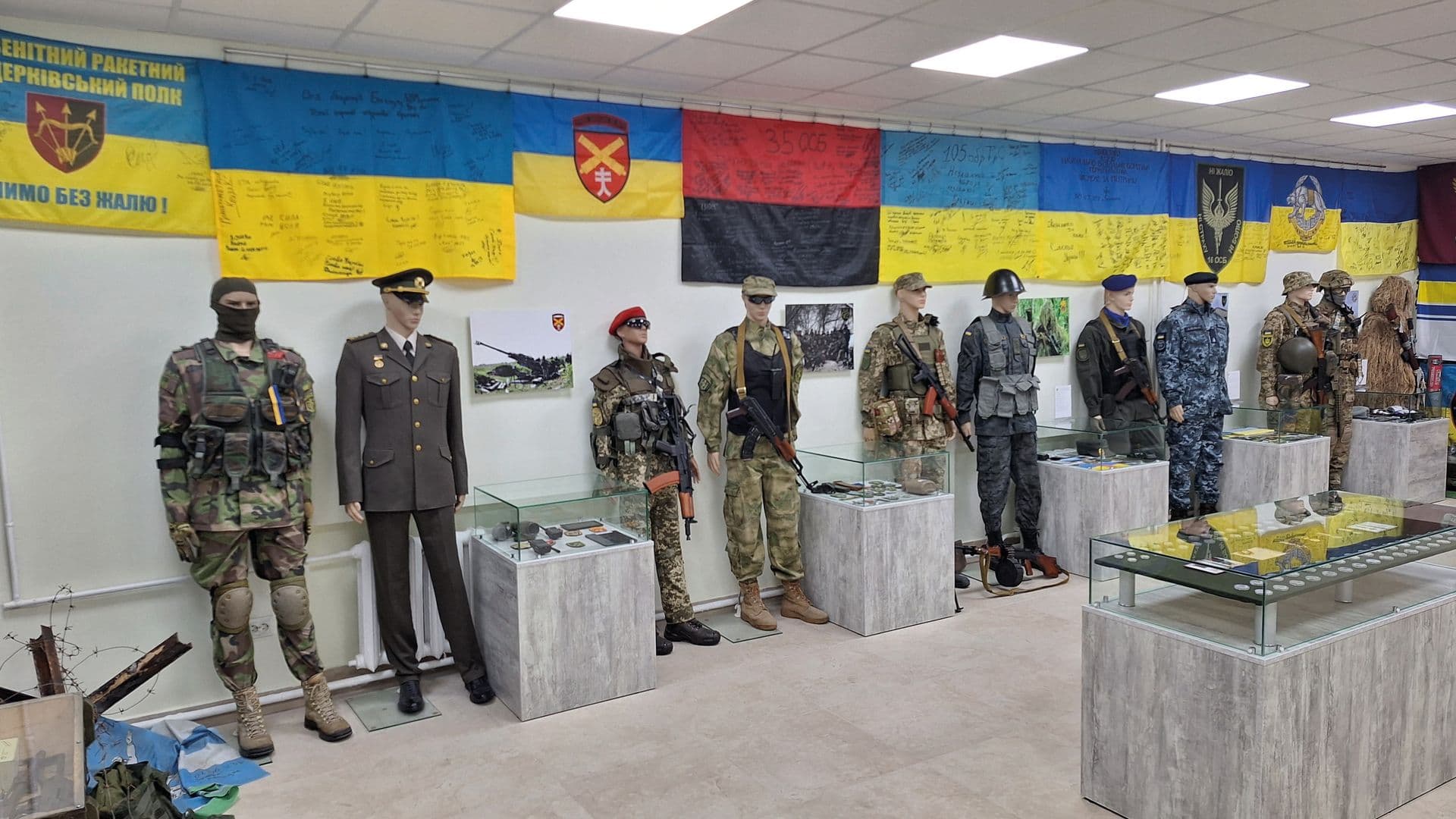
3. The Museum of the National Liberation Struggle of Ternopil Region
Ternopil, 5 Medova StreetEasyThe Museum of the National Liberation Struggle of the Ternopil Region was established on 6 November 2018 by civic organizations and the Ternopil Regional Council. Its purpose is to preserve and study historical, material, spiritual, and cultural artifacts connected with the national liberation struggle of the Ukrainian nation, and to educate visitors about this historical-cultural heritage. Its main areas of activity are research and cultural-educational work, carried out through the acquisition, preservation, study of historical artifacts and the material and spiritual heritage connected with the struggle for Ukrainian statehood. The following exhibits are open in the main Museum building, where the administration currently operates: «Ukrainian Military Formations of the 20th–21st Centuries», an exhibition devoted to materials from the archives of the OUN armed underground and UPA units «Revolution of Dignity. Volunteers» «Art at War» by Svitlana Lohush «Russian-Ukrainian War».
Car, On foot, Bicycle, BusSpring, Summer, Autumn, Winter, All yearParkingWCCafe nearbyInstagram spotAsphaltSuitable for childrenAccessible for disabled peopleFreeHistorical, Peaceful, FamilyCouples, Families, Companies, Solo travelers, Elderly4G, Wi-Fi3. The Museum of the National Liberation Struggle of Ternopil Region
Ternopil, 5 Medova StreetEasyThe Museum of the National Liberation Struggle of the Ternopil Region was established on 6 November 2018 by civic organizations and the Ternopil Regional Council. Its purpose is to preserve and study historical, material, spiritual, and cultural artifacts connected with the national liberation struggle of the Ukrainian nation, and to educate visitors about this historical-cultural heritage. Its main areas of activity are research and cultural-educational work, carried out through the acquisition, preservation, study of historical artifacts and the material and spiritual heritage connected with the struggle for Ukrainian statehood. The following exhibits are open in the main Museum building, where the administration currently operates: «Ukrainian Military Formations of the 20th–21st Centuries», an exhibition devoted to materials from the archives of the OUN armed underground and UPA units «Revolution of Dignity. Volunteers» «Art at War» by Svitlana Lohush «Russian-Ukrainian War».
Car, On foot, Bicycle, BusSpring, Summer, Autumn, Winter, All yearParkingWCCafe nearbyInstagram spotAsphaltSuitable for childrenAccessible for disabled peopleFreeHistorical, Peaceful, FamilyCouples, Families, Companies, Solo travelers, Elderly4G, Wi-Fi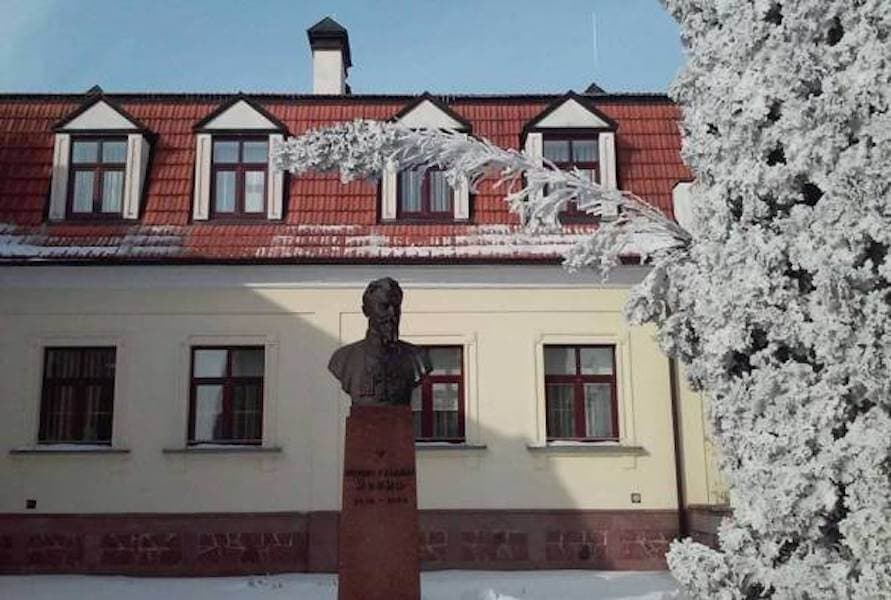
4. Museum and Memorial Complex "Ridna Khata" (Native Home) of Patriarch Josyf Slipyj
village of Zazdrist, Ternopil District, Ternopil OblastEasyA spiritual and memorial museum dedicated to the Patriarch of the Ukrainian Greek Catholic Church, Cardinal Josyf Slipyj. The museum complex is located on the territory of the family estate of Patriarch Josyf in the village of Zazdrist, Ternopil District, Ternopil Oblast, where this famous church and public figure was born and spent his childhood years. The founder, initiator, and financial supporter of the museum is the "St. Sophia" Religious Society of Ukrainian Catholics (USA). Among the exhibits are personal belongings of Josyf Slipyj, items of clothing, books, documents, and photographs. A commemorative sign in honor of the donors from the "St. Sophia" Society is installed in the museum's foyer, and a bust of Josyf Slipyj stands in the courtyard of the complex. One of the museum's expositions, located in the restored birthplace of the Patriarch, tells the story of the daily life and history of the Slipyj-Dychkovskyi-Kobernytskyi family. Spiritual gatherings and scientific-theological conferences are held at the museum. There is also a liturgical chapel.
Car, Bicycle, BusAll yearParkingWCAsphaltSuitable for childrenAccessible for disabled peopleHistorical, Peaceful, FamilyCouples, Families, Companies, Solo travelers, Elderly4G, Wi-Fi4. Museum and Memorial Complex "Ridna Khata" (Native Home) of Patriarch Josyf Slipyj
village of Zazdrist, Ternopil District, Ternopil OblastEasyA spiritual and memorial museum dedicated to the Patriarch of the Ukrainian Greek Catholic Church, Cardinal Josyf Slipyj. The museum complex is located on the territory of the family estate of Patriarch Josyf in the village of Zazdrist, Ternopil District, Ternopil Oblast, where this famous church and public figure was born and spent his childhood years. The founder, initiator, and financial supporter of the museum is the "St. Sophia" Religious Society of Ukrainian Catholics (USA). Among the exhibits are personal belongings of Josyf Slipyj, items of clothing, books, documents, and photographs. A commemorative sign in honor of the donors from the "St. Sophia" Society is installed in the museum's foyer, and a bust of Josyf Slipyj stands in the courtyard of the complex. One of the museum's expositions, located in the restored birthplace of the Patriarch, tells the story of the daily life and history of the Slipyj-Dychkovskyi-Kobernytskyi family. Spiritual gatherings and scientific-theological conferences are held at the museum. There is also a liturgical chapel.
Car, Bicycle, BusAll yearParkingWCAsphaltSuitable for childrenAccessible for disabled peopleHistorical, Peaceful, FamilyCouples, Families, Companies, Solo travelers, Elderly4G, Wi-Fi