Ternopil Castle
Ternopil Castle
Location description
The history of Ternopil began on April 15, 1540, when Jan Amor Tarnowski received a royal charter from the King of Poland to found a city and build a castle on a desolate site previously known as Sopilche. The only surviving remnant of the original fortifications is the castle citadel, featuring walls ranging from 2 to 4.5 meters in thickness. In the 18th century, the structure was converted into a palace. Since 1952, the castle has housed a sports school. Only the underground chambers—sealed off during post-war reconstruction—retain ancient secrets and await brave explorers.
About this place
- Перше датування
- 1540
Good to know
- Transport
- Car, On foot, Bicycle, Bus
- Best time
- Spring, Summer, Autumn, Winter, All year
- Parking
- Yes
- Shelter
- Yes
- Cafe nearby
- Yes
- Instagram spot
- Yes
- Panoramic view
- Yes
- Road
- Asphalt
Nearby locations
More locations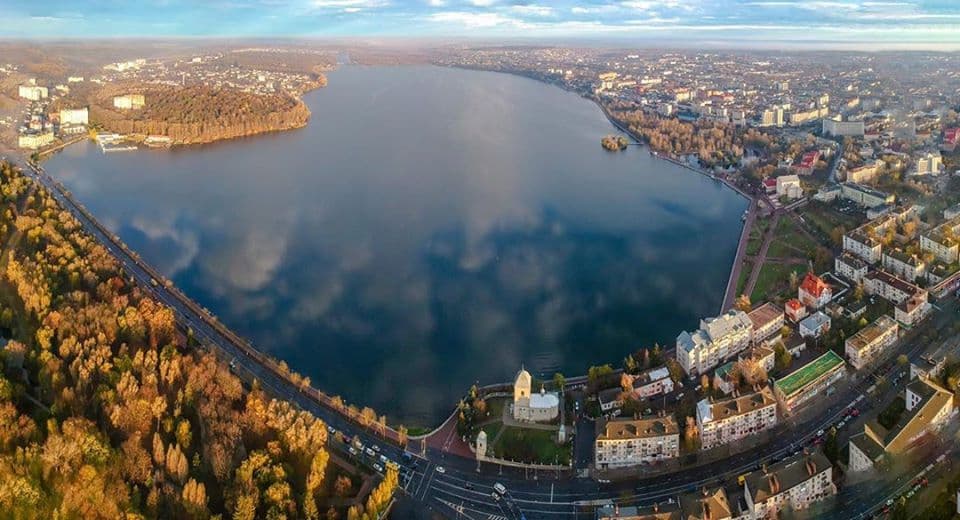
Embankment of Ternopil Pond
The surface here is flat, without any ups and downs, although it is paved with cobblestones, but a pair of good sneakers with good cushioning will allow you to run comfortably. There are trees along the route that will provide cool shade, and of course a fresh breeze from the water. For those who like to run slowly, any time of day is suitable, and if you want to run fast, it is better to train at dawn or late in the evening - at this time the embankment is almost deserted, and you will not be disturbed by crowds of pedestrians and cyclists. In addition, at dawn the landscape is simply impressive. The Ternopil Runday distance runs along this route - a joint race of Ternopil runners every Saturday.
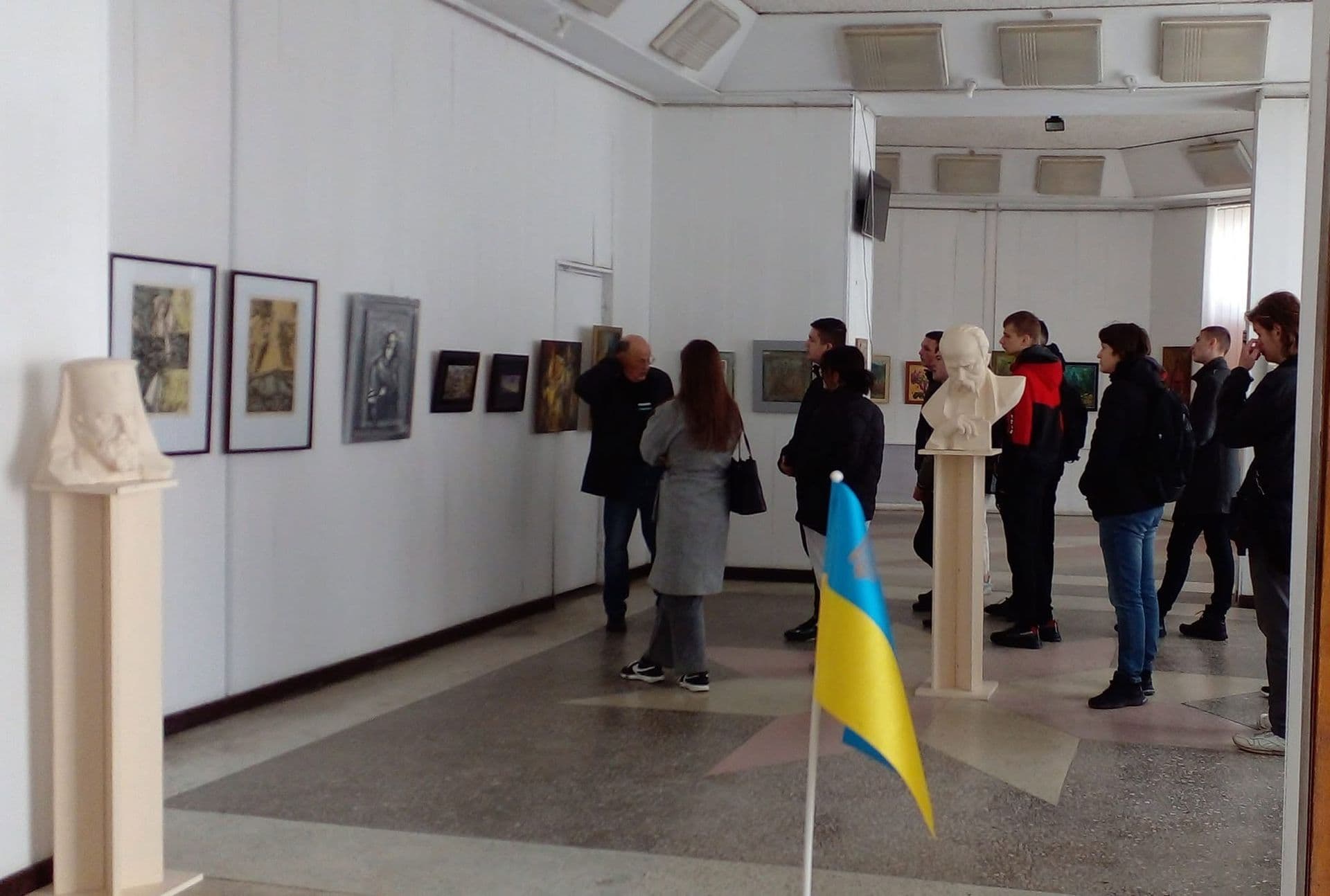
Art Gallery of the Ternopil Regional Organization of the National Union of Artists of Ukraine
The Art Gallery regularly hosts exhibitions showcasing the creative works of artists who are members of the Ternopil Regional Organization of the National Union of Artists of Ukraine. Within the Ternopil region, this Union brings together painters, sculptors, graphic artists, theater designers, and masters of decorative and applied arts. Among its members are People's Artists and Honored Artists of Ukraine, Honored Cultural Workers of Ukraine, and Honored Art Workers of Ukraine. The official founding date of the Ternopil Regional Organization of the National Union of Artists of Ukraine is December 20, 1983.
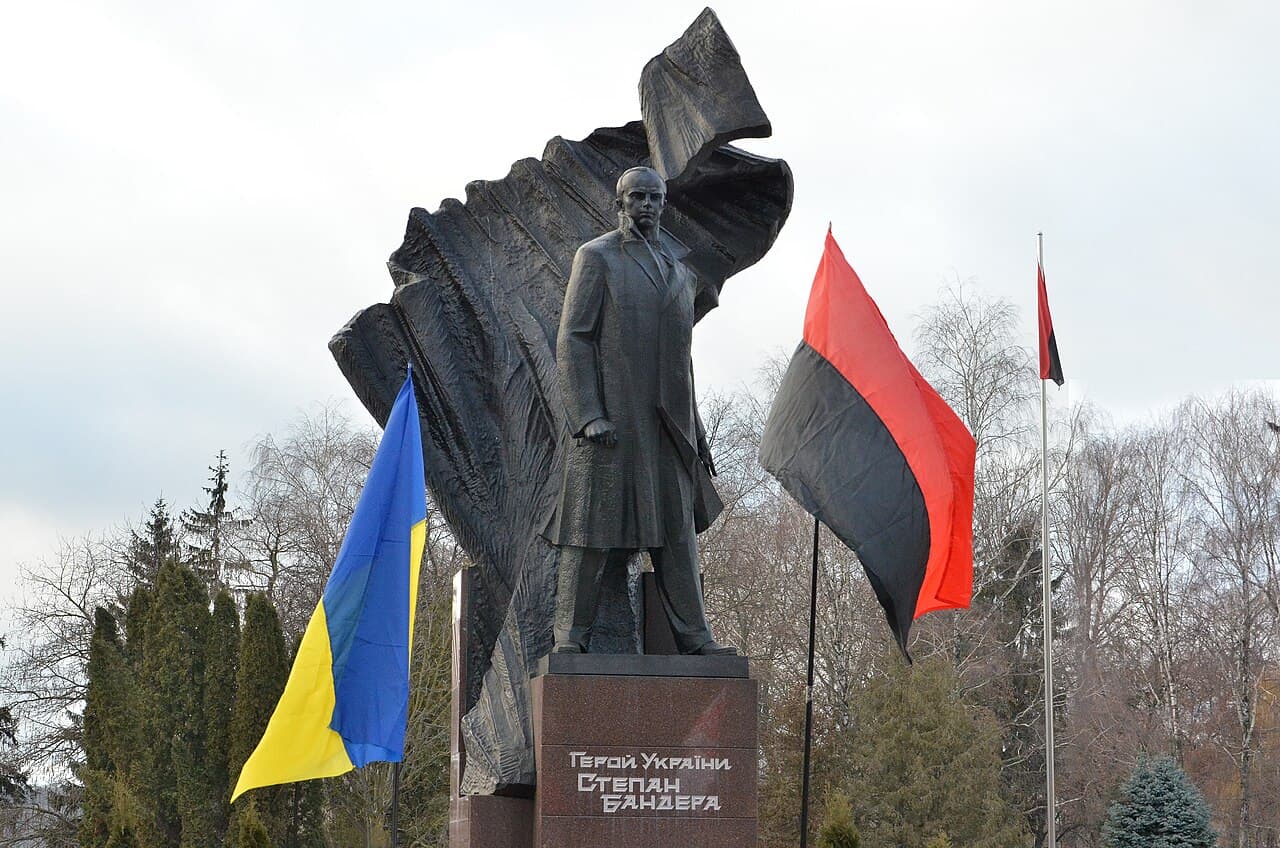
Stepan Bandera Monument (Ternopil)
The Stepan Bandera Monument in Ternopil is a monument located in the city of Ternopil. It is situated in Taras Shevchenko Park, in front of the Regional State Administration building on Solomiya Krushelnytska Street. Erected in 2008, it was officially unveiled on December 26 to commemorate the 100th anniversary of Stepan Bandera's birth (born January 1).
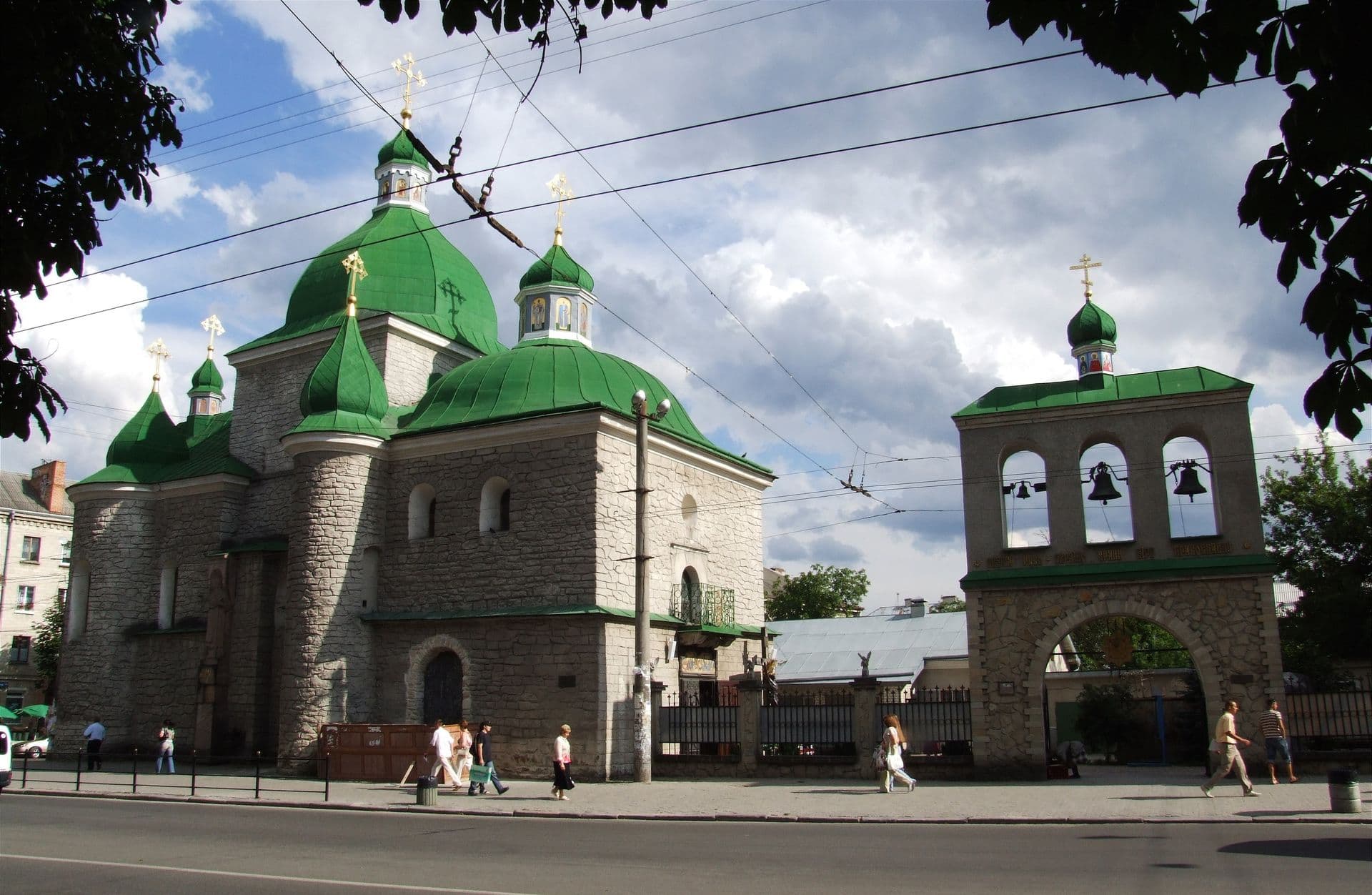
Cathedral of the Nativity of Christ
The Cathedral of the Nativity of Christ, or Church of the Nativity of Christ in Ternopil, is one of the oldest places of worship in Ternopil. It belongs to the type of churches with side conches. In 1700, the church became Greek Catholic, after 1946 it was transferred to the Russian Orthodox Church, and today it serves as a cathedral of the Orthodox Church of Ukraine (OCU). It has been designated a architectural monument of national significance.
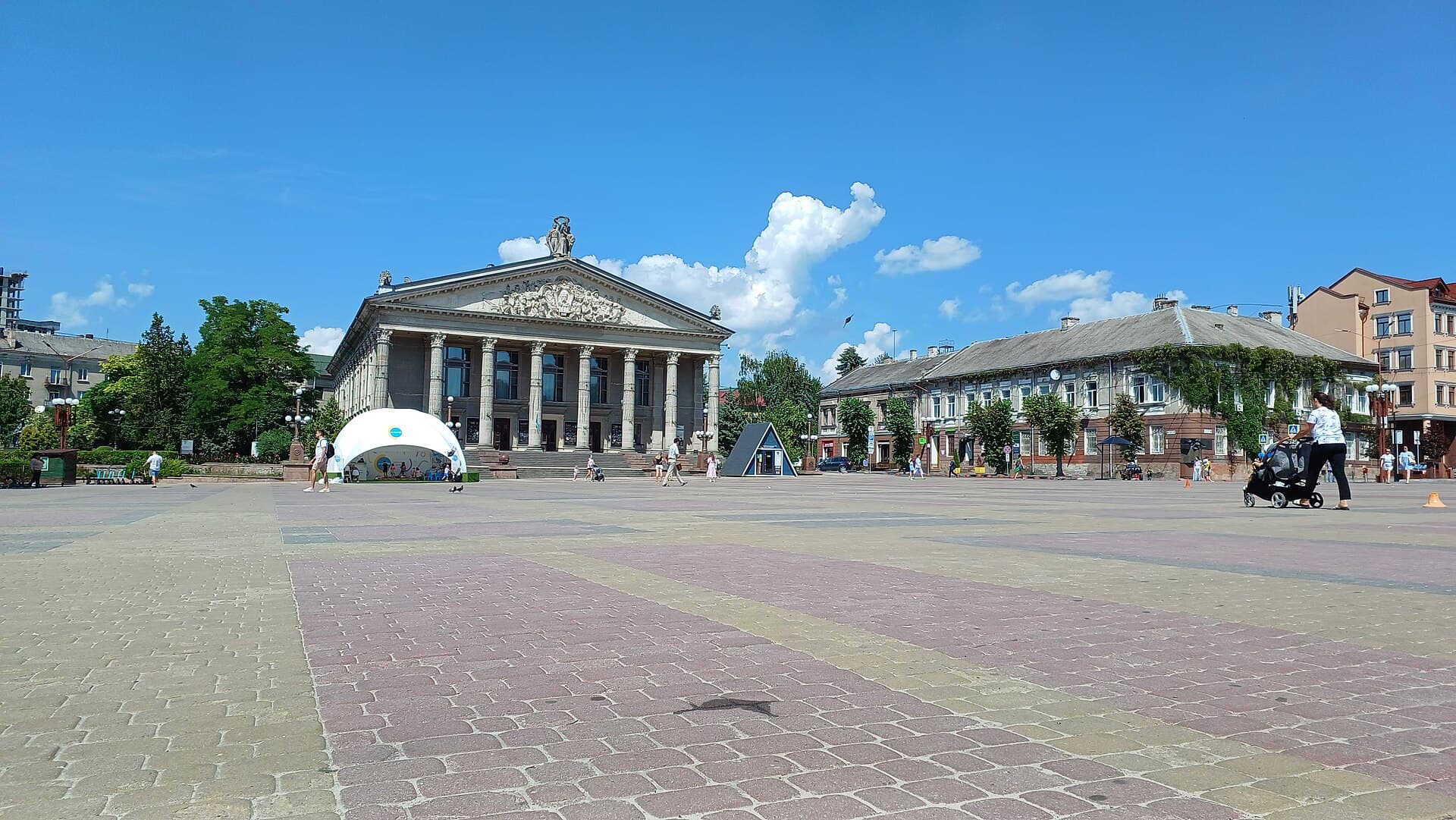
Theatrical Square, Ternopil
The main square of Ternopil, which together with Taras Shevchenko Boulevard compositionally forms the modern city center. In the western part of the square is the Ternopil Academic Regional Drama Theater named after T. H. Shevchenko, hence the name; during the Soviet era — Theater Square, during the Polish and Austro-Hungarian periods — part of Mickiewicz Street, Panska Street.
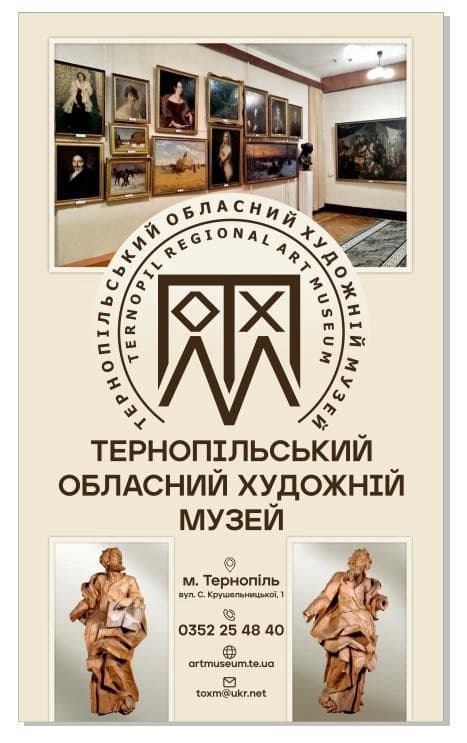
Ternopil Regional Art Museum
The Ternopil Regional Art Museum is an important cultural and educational institution of the region, preserving, researching, and promoting Ukrainian and international fine art. The museum was founded on May 1, 1991, and today it offers an opportunity to discover the artistic heritage of the 17th–21st centuries. The museum’s collection features works in the following sections: “Ukrainian Art of the 17th–21st Centuries,” “European Art of the 17th–20th Centuries,” and “The Dioniziy Sholdra Memorial Room (1925–1995).” Highlights of the collection include carved bas-reliefs by Johann Georg Pinsel, wooden sculptures by Anton Osinsky, icons by Ukrainian masters, and paintings by Maria Prymachenko, Tetyana Yablonska, Dmytro Narbut, Mykola Hlushchenko, and others. The museum has assembled an extensive collection of works by artists from the Ternopil region, including Antin Manastyrsky, Olena Kulchytska, Yaroslava Muzyka, Jacques Hnizdovsky, and Ivan Marchuk. European art is represented by works by Giovanni Battista Piranesi, Paul Gavarni, Julian Fałat, Franz Lampi, Petr Brandl, and others. The museum organizes exhibitions, conducts guided tours and lectures, holds creative workshops, and hosts cultural and educational events. It is not only a place for preserving artistic treasures but also a space for discovery, inspiration, and spiritual enrichment for visitors.
Reviews

No reviews yet
Be the first to share your experience.
Updated October 2, 2026.
Check opening hours, access rules and safety restrictions with the relevant provider before visiting. Listing does not mean the Department guarantees third-party services.