Sacred Ternopillia
Museum and Memorial Complex "Ridna Khata" (Native Home) of Patriarch Josyf Slipyj
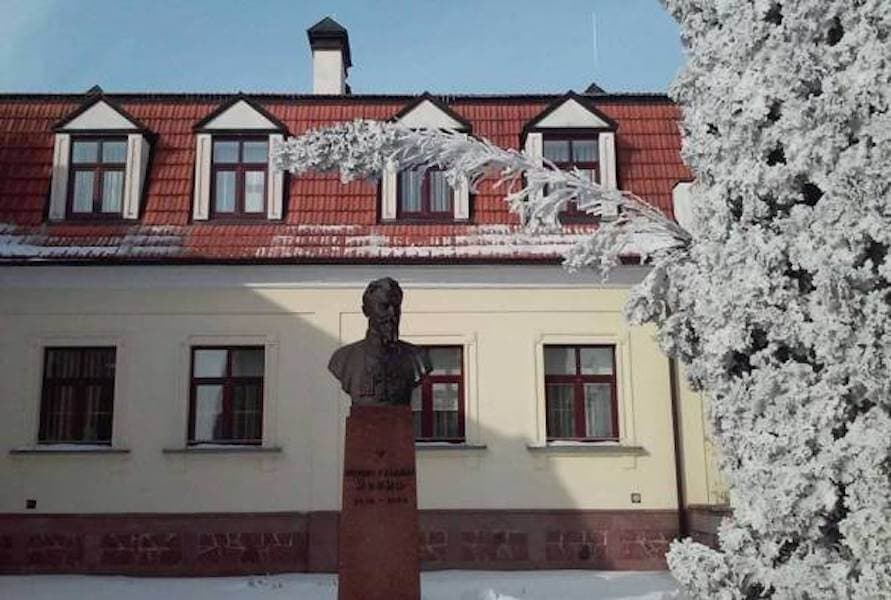
village of Zazdrist, Ternopil District, Ternopil OblastEasyA spiritual and memorial museum dedicated to the Patriarch of the Ukrainian Greek Catholic Church, Cardinal Josyf Slipyj. The museum complex is located on the territory of the family estate of Patriarch Josyf in the village of Zazdrist, Ternopil District, Ternopil Oblast, where this famous church and public figure was born and spent his childhood years. The founder, initiator, and financial supporter of the museum is the "St. Sophia" Religious Society of Ukrainian Catholics (USA). Among the exhibits are personal belongings of Josyf Slipyj, items of clothing, books, documents, and photographs. A commemorative sign in honor of the donors from the "St. Sophia" Society is installed in the museum's foyer, and a bust of Josyf Slipyj stands in the courtyard of the complex. One of the museum's expositions, located in the restored birthplace of the Patriarch, tells the story of the daily life and history of the Slipyj-Dychkovskyi-Kobernytskyi family. Spiritual gatherings and scientific-theological conferences are held at the museum. There is also a liturgical chapel.
Car, Bicycle, BusAll yearParkingWCAsphaltSuitable for childrenAccessible for disabled peopleHistorical, Peaceful, FamilyCouples, Families, Companies, Solo travelers, Elderly4G, Wi-FiMuseum and Memorial Complex "Ridna Khata" (Native Home) of Patriarch Josyf Slipyj
village of Zazdrist, Ternopil District, Ternopil OblastEasyA spiritual and memorial museum dedicated to the Patriarch of the Ukrainian Greek Catholic Church, Cardinal Josyf Slipyj. The museum complex is located on the territory of the family estate of Patriarch Josyf in the village of Zazdrist, Ternopil District, Ternopil Oblast, where this famous church and public figure was born and spent his childhood years. The founder, initiator, and financial supporter of the museum is the "St. Sophia" Religious Society of Ukrainian Catholics (USA). Among the exhibits are personal belongings of Josyf Slipyj, items of clothing, books, documents, and photographs. A commemorative sign in honor of the donors from the "St. Sophia" Society is installed in the museum's foyer, and a bust of Josyf Slipyj stands in the courtyard of the complex. One of the museum's expositions, located in the restored birthplace of the Patriarch, tells the story of the daily life and history of the Slipyj-Dychkovskyi-Kobernytskyi family. Spiritual gatherings and scientific-theological conferences are held at the museum. There is also a liturgical chapel.
Car, Bicycle, BusAll yearParkingWCAsphaltSuitable for childrenAccessible for disabled peopleHistorical, Peaceful, FamilyCouples, Families, Companies, Solo travelers, Elderly4G, Wi-Fi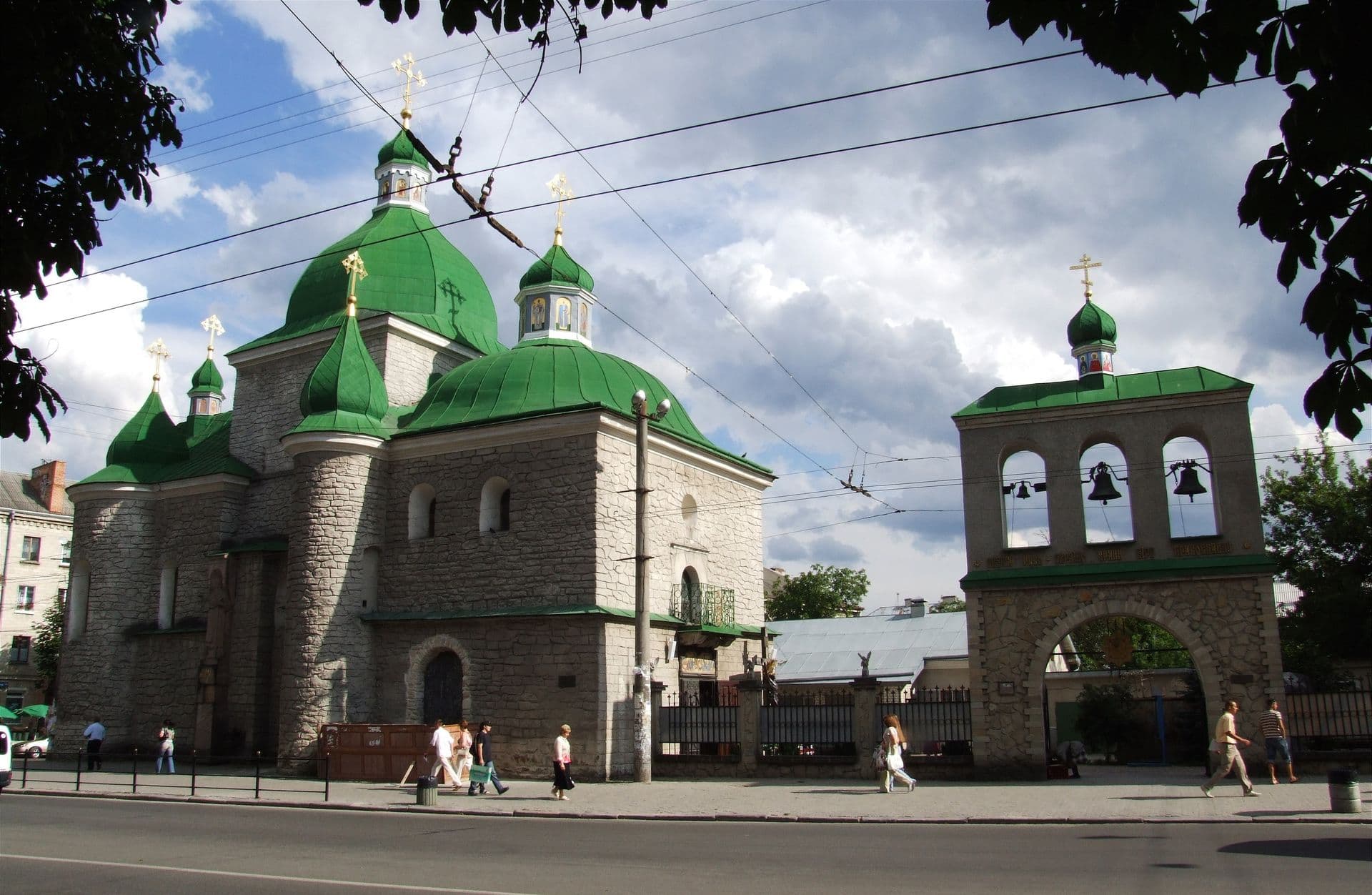
Cathedral of the Nativity of Christ
22 Ruska Street, TernopilEasyThe Cathedral of the Nativity of Christ, or Church of the Nativity of Christ in Ternopil, is one of the oldest places of worship in Ternopil. It belongs to the type of churches with side conches. In 1700, the church became Greek Catholic, after 1946 it was transferred to the Russian Orthodox Church, and today it serves as a cathedral of the Orthodox Church of Ukraine (OCU). It has been designated a architectural monument of national significance.
On foot, Bicycle, BusSpring, Summer, Autumn, Winter, All yearAccessible for disabled peopleFor hearing impairedFreeHistorical, Peaceful4GCompanies, Solo travelers, ElderlyCathedral of the Nativity of Christ
22 Ruska Street, TernopilEasyThe Cathedral of the Nativity of Christ, or Church of the Nativity of Christ in Ternopil, is one of the oldest places of worship in Ternopil. It belongs to the type of churches with side conches. In 1700, the church became Greek Catholic, after 1946 it was transferred to the Russian Orthodox Church, and today it serves as a cathedral of the Orthodox Church of Ukraine (OCU). It has been designated a architectural monument of national significance.
On foot, Bicycle, BusSpring, Summer, Autumn, Winter, All yearAccessible for disabled peopleFor hearing impairedFreeHistorical, Peaceful4GCompanies, Solo travelers, Elderly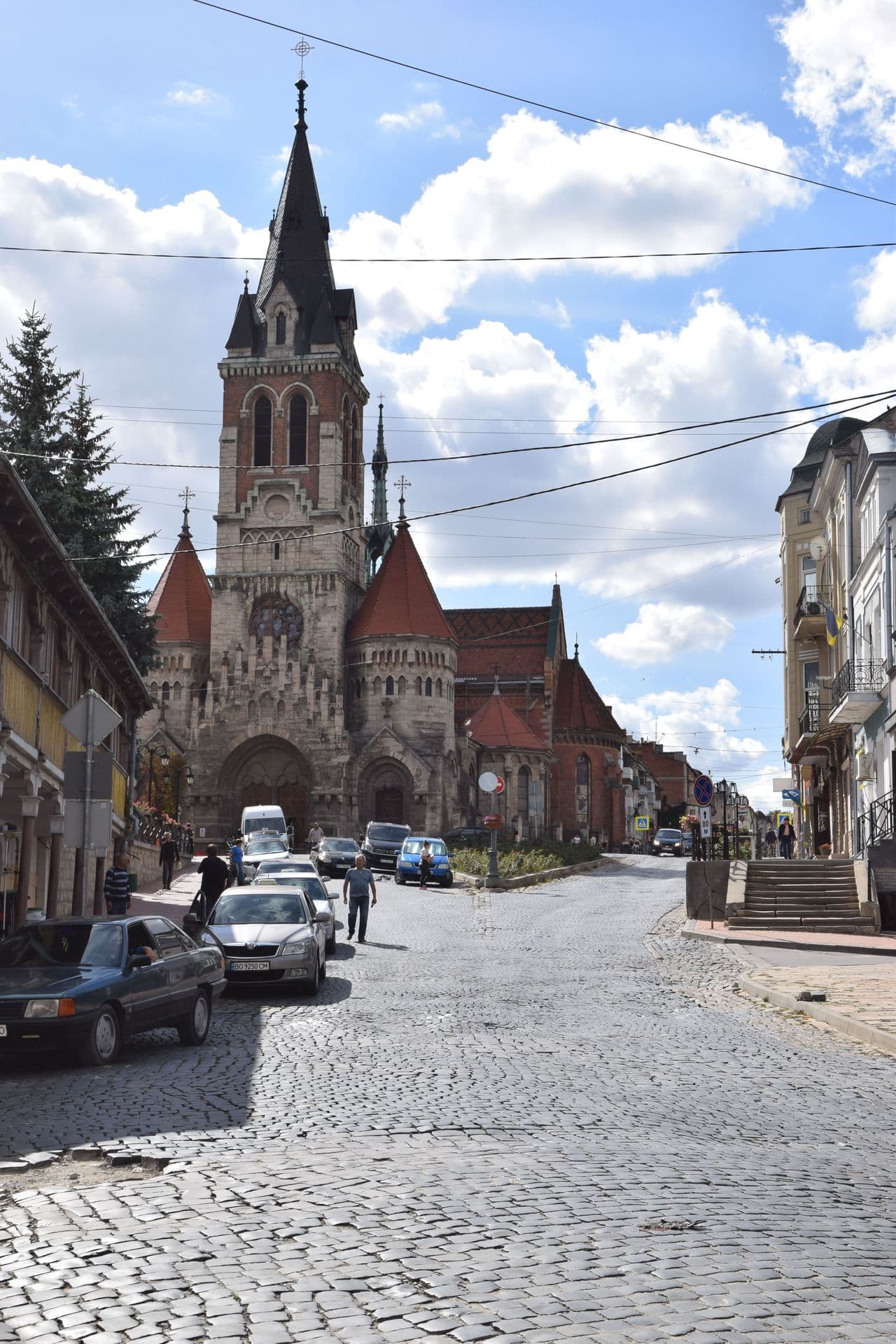
Dominican Church of St. Stanislaus
ChortkivEasyThe Dominican Church of St. Stanislaus (Church of Our Lady of the Holy Rosary and St. Stanislaus) is a magnificent Roman Catholic church and one of the foremost architectural gems of the city of Chortkiv in the Ternopil region.
Car, On foot, Bicycle, BusSpring, Summer, Autumn, Winter, All yearParkingWCCafe nearbyInstagram spotAsphaltSuitable for childrenFreeHistorical, PeacefulCouples, Families, Companies, Solo travelers, Elderly4GDominican Church of St. Stanislaus
ChortkivEasyThe Dominican Church of St. Stanislaus (Church of Our Lady of the Holy Rosary and St. Stanislaus) is a magnificent Roman Catholic church and one of the foremost architectural gems of the city of Chortkiv in the Ternopil region.
Car, On foot, Bicycle, BusSpring, Summer, Autumn, Winter, All yearParkingWCCafe nearbyInstagram spotAsphaltSuitable for childrenFreeHistorical, PeacefulCouples, Families, Companies, Solo travelers, Elderly4G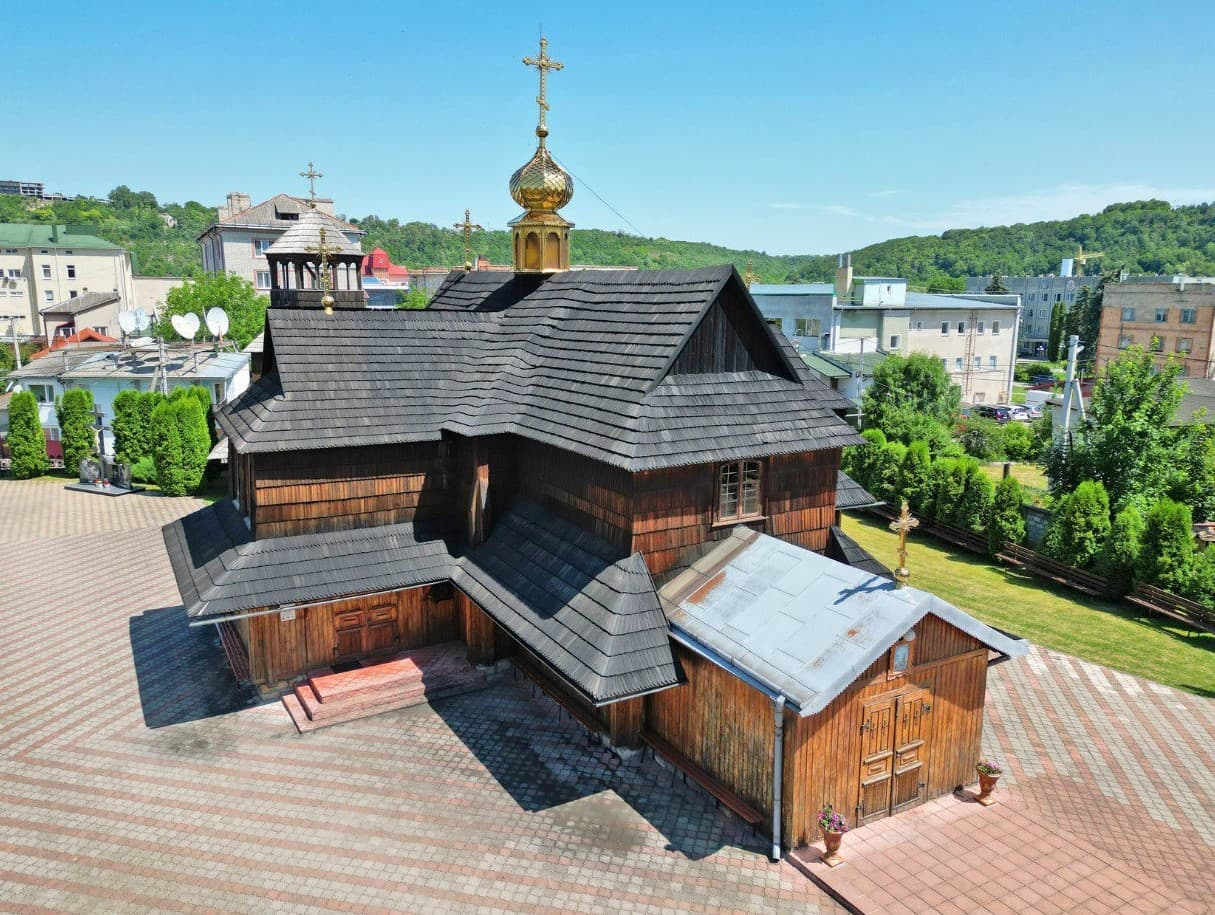
Church of the Dormition of the Most Holy Mother of God
Tserkovna St.EasyThe Church of the Assumption of the Blessed Virgin Mary is one of the oldest wooden shrines not only in Chortkiv but also in Podillia, with a history dating back to 1522. The church has survived Tatar and Turkish raids, fires, and wars, preserving its spiritual value and unique architecture. The building is an example of traditional Ukrainian wooden architecture: a three-part structure, shingle roof, and a harmonious dome give the church a distinctive appearance. Inside, there is a unique 18th-century iconostasis. Next to the church stands an old three-tiered bell tower. Together, they form a nationally significant architectural monument. Today, the church remains an active place of worship and a valuable testament to the centuries-old history, spirituality, and cultural heritage of Podillia.
Car, On foot, Bicycle, BusAll yearParkingWCInstagram spotAsphaltSuitable for childrenFreePeacefulCouples, Families, Companies, Solo travelers, Elderly4GChurch of the Dormition of the Most Holy Mother of God
Tserkovna St.EasyThe Church of the Assumption of the Blessed Virgin Mary is one of the oldest wooden shrines not only in Chortkiv but also in Podillia, with a history dating back to 1522. The church has survived Tatar and Turkish raids, fires, and wars, preserving its spiritual value and unique architecture. The building is an example of traditional Ukrainian wooden architecture: a three-part structure, shingle roof, and a harmonious dome give the church a distinctive appearance. Inside, there is a unique 18th-century iconostasis. Next to the church stands an old three-tiered bell tower. Together, they form a nationally significant architectural monument. Today, the church remains an active place of worship and a valuable testament to the centuries-old history, spirituality, and cultural heritage of Podillia.
Car, On foot, Bicycle, BusAll yearParkingWCInstagram spotAsphaltSuitable for childrenFreePeacefulCouples, Families, Companies, Solo travelers, Elderly4G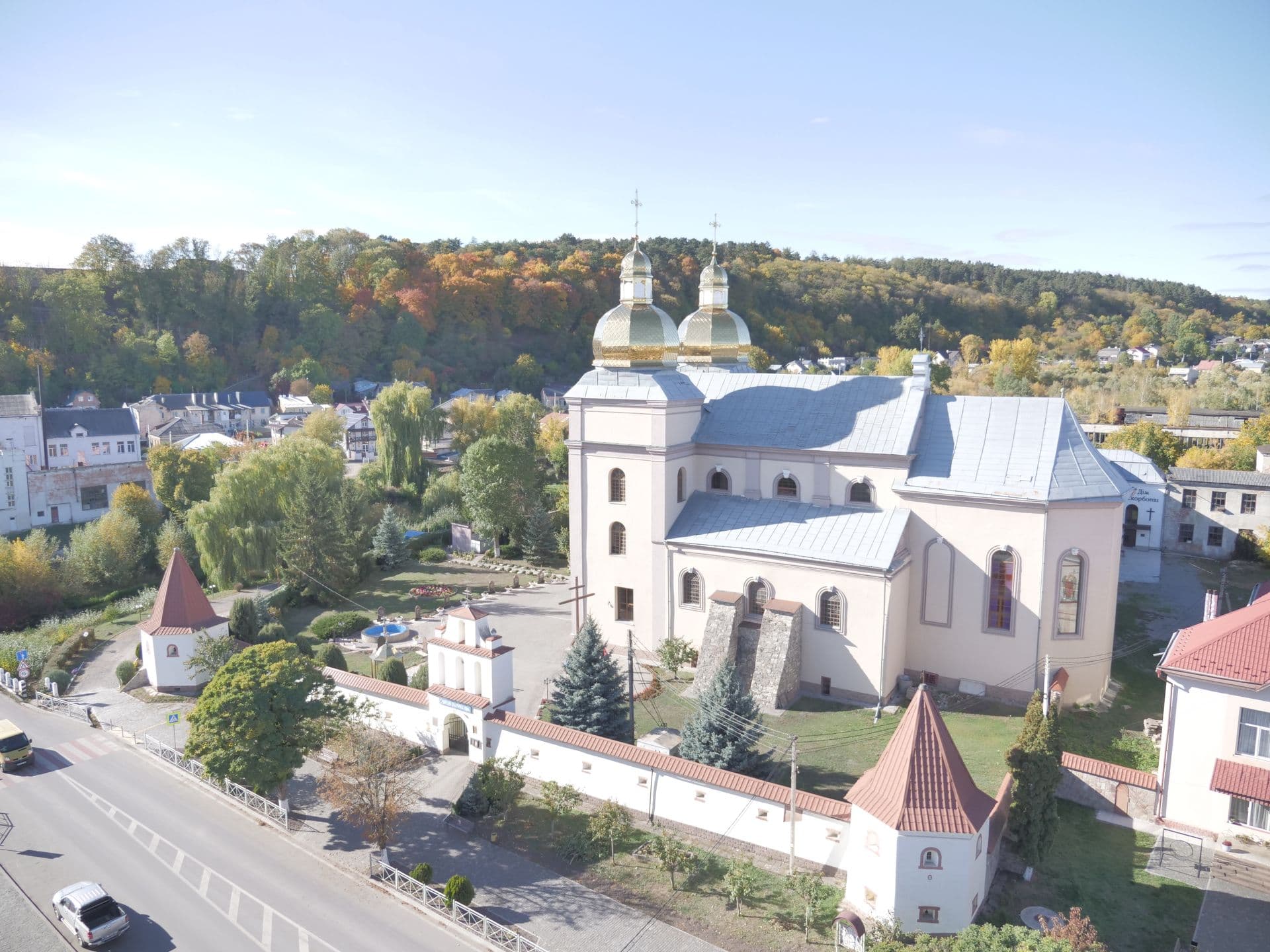
St. Volodymyr Church of the OCU (Former Carmelite Monastery)
3 Taras Shevchenko Street, Terebovlia, Ternopil Oblast, 48100EasyThe magnificent complex of the Carmelite fortified monastery, featuring the Church of the Assumption of the Blessed Virgin Mary, is one of Terebovlia’s most remarkable historical and architectural treasures. Founded in 1635 with the support of the town’s starosta, Aleksander Balicki, this sacred complex was built not only as a spiritual centre but also as a powerful fortification to protect the town from Tatar raids. Constructed from durable sandstone, the church combines the refined features of the Renaissance and Early Baroque styles. Its massive surviving walls, four corner defensive towers with loopholes, and a peaceful inner cloister courtyard are of particular historical value. Throughout its centuries-long history, the complex has endured destruction, reconstruction, and closure during the Soviet era before regaining its sacred status. Today, the former church serves as an active Orthodox place of worship belonging to the Orthodox Church of Ukraine (OCU). The complex attracts travellers with its monumental architecture and distinctive atmosphere of antiquity. It is an essential stop on any tourist route through this ancient town.
Car, On foot, Bicycle, BusSpring, Summer, Autumn, Winter, All yearWCAsphaltSuitable for childrenFreeHistorical, Peaceful, FamilyCouples, Families, Companies, Solo travelers, Elderly4GSt. Volodymyr Church of the OCU (Former Carmelite Monastery)
3 Taras Shevchenko Street, Terebovlia, Ternopil Oblast, 48100EasyThe magnificent complex of the Carmelite fortified monastery, featuring the Church of the Assumption of the Blessed Virgin Mary, is one of Terebovlia’s most remarkable historical and architectural treasures. Founded in 1635 with the support of the town’s starosta, Aleksander Balicki, this sacred complex was built not only as a spiritual centre but also as a powerful fortification to protect the town from Tatar raids. Constructed from durable sandstone, the church combines the refined features of the Renaissance and Early Baroque styles. Its massive surviving walls, four corner defensive towers with loopholes, and a peaceful inner cloister courtyard are of particular historical value. Throughout its centuries-long history, the complex has endured destruction, reconstruction, and closure during the Soviet era before regaining its sacred status. Today, the former church serves as an active Orthodox place of worship belonging to the Orthodox Church of Ukraine (OCU). The complex attracts travellers with its monumental architecture and distinctive atmosphere of antiquity. It is an essential stop on any tourist route through this ancient town.
Car, On foot, Bicycle, BusSpring, Summer, Autumn, Winter, All yearWCAsphaltSuitable for childrenFreeHistorical, Peaceful, FamilyCouples, Families, Companies, Solo travelers, Elderly4G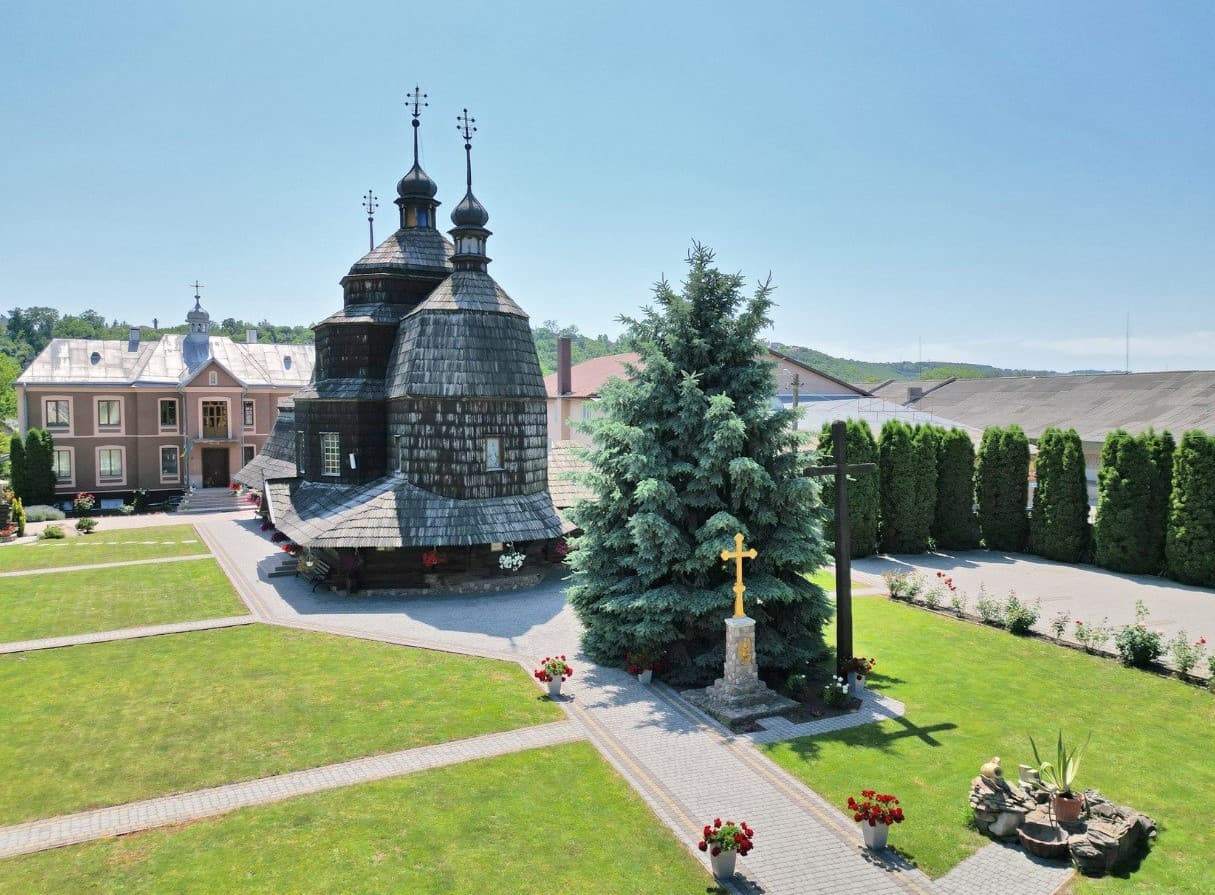
Church of the Ascension of the Lord
81 Zalyznychnna StreetEasyThe Church of the Ascension of the Lord is one of the most picturesque wooden shrines in Chortkiv, built in 1630 without a single nail. It is a valuable example of traditional Ukrainian folk architecture. Originally, the church was located in the city center, but later, at the request of Chortkiv’s last owner, Hieronim Sadowski, it was moved to Vyhnanka — a district that didn’t have any other churches at the time. After being damaged during the Tatar and Turkish raids, the shrine was rebuilt in 1717 thanks to the local craftsmen and the church brotherhood. The church has a traditional three-part structure topped with three domes. The colorful windows fill the interior with soft light, and the elegant wooden arch emphasizes the harmony of the inner space. Nearby, there’s an old three-tiered bell tower that complements the architectural ensemble. Today, the church is an active Greek Catholic parish and an important monument of Chortkiv’s cultural and spiritual heritage.
Car, On foot, Bicycle, BusAll yearParkingInstagram spotFreeHistorical, PeacefulAsphaltSuitable for childrenCouples, Families, Companies, Solo travelers, Elderly4GChurch of the Ascension of the Lord
81 Zalyznychnna StreetEasyThe Church of the Ascension of the Lord is one of the most picturesque wooden shrines in Chortkiv, built in 1630 without a single nail. It is a valuable example of traditional Ukrainian folk architecture. Originally, the church was located in the city center, but later, at the request of Chortkiv’s last owner, Hieronim Sadowski, it was moved to Vyhnanka — a district that didn’t have any other churches at the time. After being damaged during the Tatar and Turkish raids, the shrine was rebuilt in 1717 thanks to the local craftsmen and the church brotherhood. The church has a traditional three-part structure topped with three domes. The colorful windows fill the interior with soft light, and the elegant wooden arch emphasizes the harmony of the inner space. Nearby, there’s an old three-tiered bell tower that complements the architectural ensemble. Today, the church is an active Greek Catholic parish and an important monument of Chortkiv’s cultural and spiritual heritage.
Car, On foot, Bicycle, BusAll yearParkingInstagram spotFreeHistorical, PeacefulAsphaltSuitable for childrenCouples, Families, Companies, Solo travelers, Elderly4G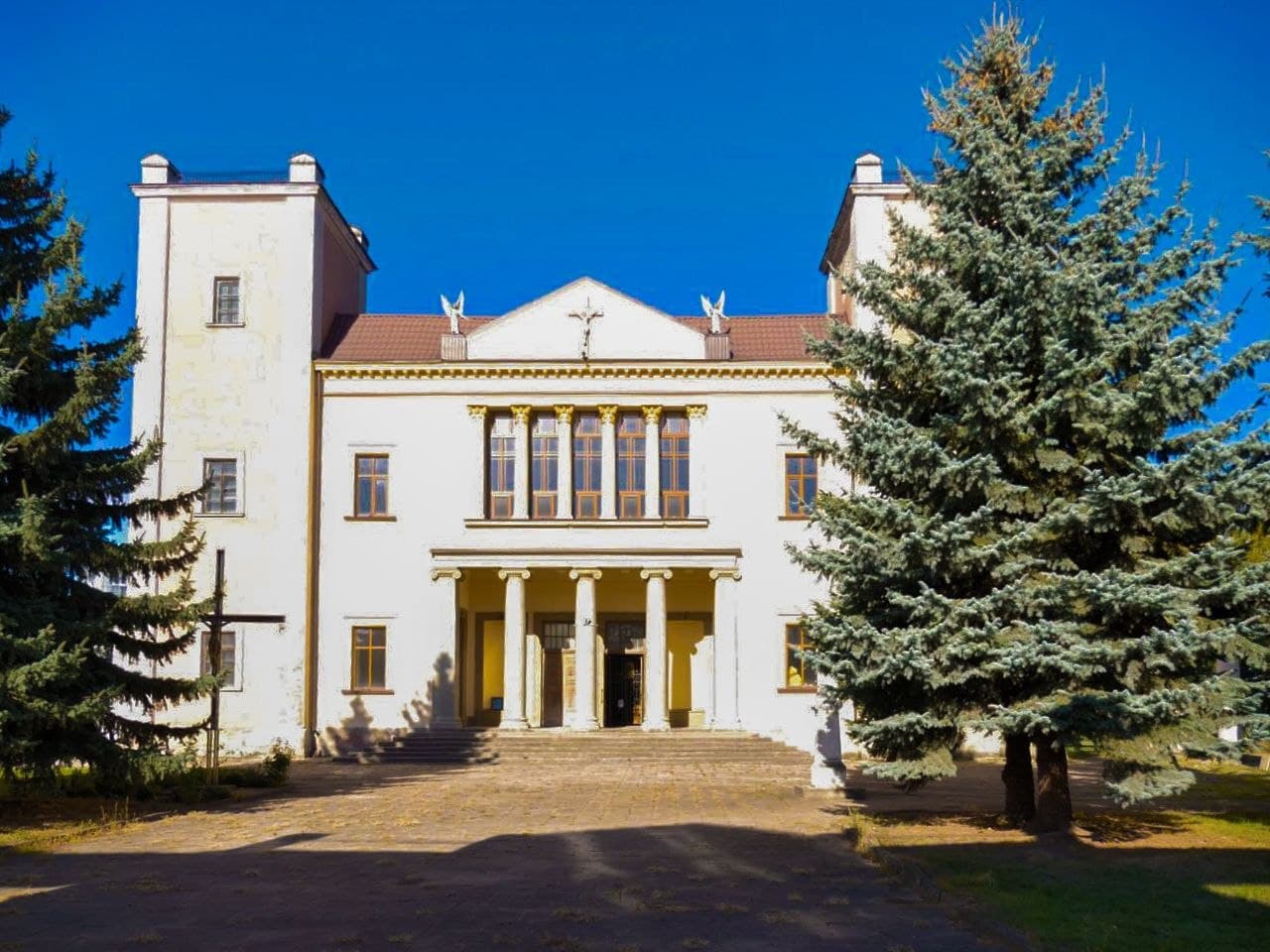
Church of Saints Peter and Paul
111 Knyaz Vasylko Street, Terebovlia, Ternopil Oblast, 48100EasyA unique active Roman Catholic church in Ukraine, built between 1924 and 1928 to a design by the distinguished architect Adolf Szyszko-Bohusz. The building is remarkable for being the first example in the country of monumental classical architecture modelled on an ancient Roman Christian basilica, making it reminiscent of the famous Basilica of Saint Paul Outside the Walls in Rome. The main façade is adorned with a majestic portico featuring Ionic columns, while inside, the space is divided by two rows of Corinthian columns and crowned with a coffered ceiling. During the Soviet era, the church’s two 39-metre towers were partially destroyed, and the building was converted into a grain warehouse and a cultural centre. In 1992, the church was returned to the faithful. Its interior has now been fully restored. It is one of the town’s most fascinating architectural landmarks.
Car, On foot, Bicycle, BusSpring, Summer, Autumn, Winter, All yearAsphaltSuitable for childrenAccessible for disabled peopleFreeHistorical, Peaceful, FamilyCouples, Families, Companies, Solo travelers, Elderly4GChurch of Saints Peter and Paul
111 Knyaz Vasylko Street, Terebovlia, Ternopil Oblast, 48100EasyA unique active Roman Catholic church in Ukraine, built between 1924 and 1928 to a design by the distinguished architect Adolf Szyszko-Bohusz. The building is remarkable for being the first example in the country of monumental classical architecture modelled on an ancient Roman Christian basilica, making it reminiscent of the famous Basilica of Saint Paul Outside the Walls in Rome. The main façade is adorned with a majestic portico featuring Ionic columns, while inside, the space is divided by two rows of Corinthian columns and crowned with a coffered ceiling. During the Soviet era, the church’s two 39-metre towers were partially destroyed, and the building was converted into a grain warehouse and a cultural centre. In 1992, the church was returned to the faithful. Its interior has now been fully restored. It is one of the town’s most fascinating architectural landmarks.
Car, On foot, Bicycle, BusSpring, Summer, Autumn, Winter, All yearAsphaltSuitable for childrenAccessible for disabled peopleFreeHistorical, Peaceful, FamilyCouples, Families, Companies, Solo travelers, Elderly4G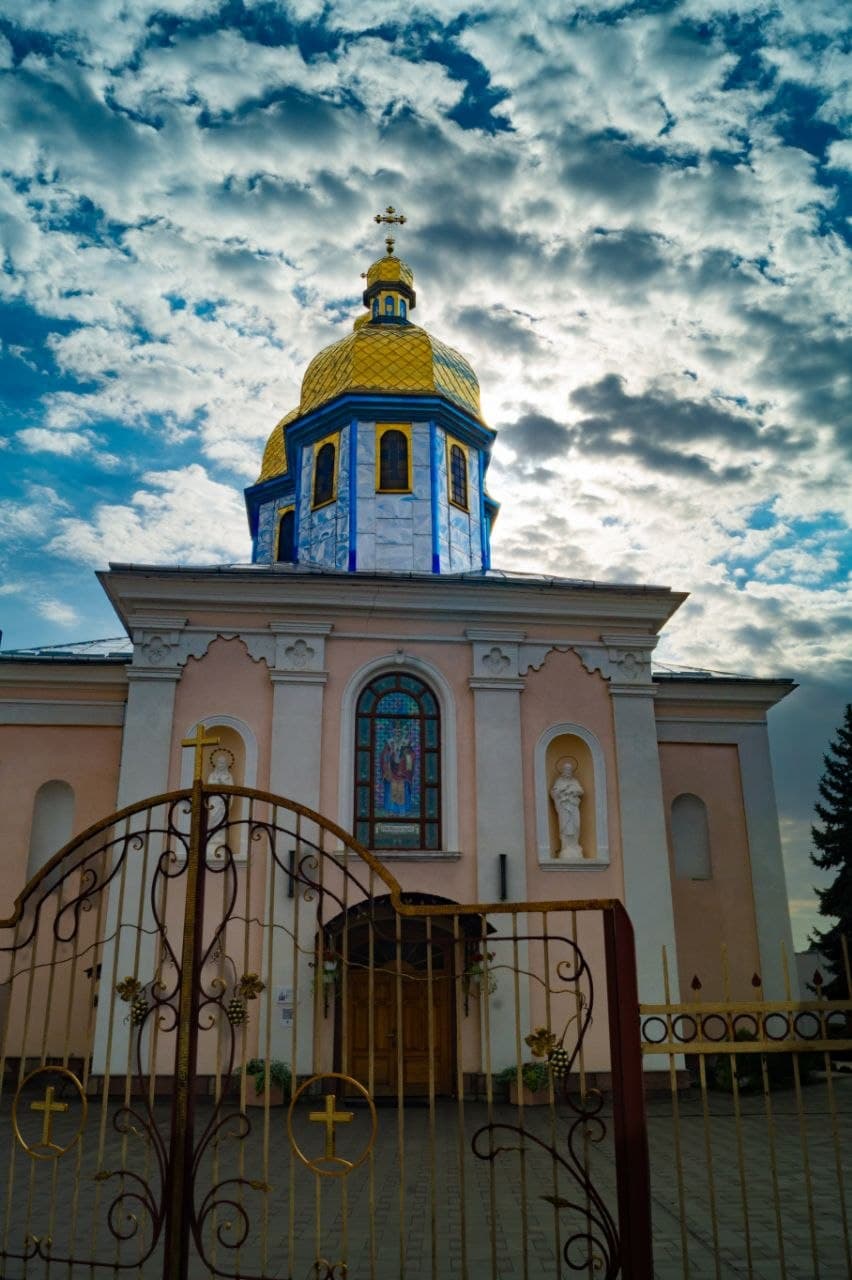
Church of St. Nicholas
12 Taras Shevchenko Street, Terebovlia, Ternopil Oblast, 48100EasyA unique architectural monument of national significance, considered the oldest surviving church in Terebovlia. Its exact founding date is unknown; however, the church acquired its present fortified appearance following a major reconstruction in 1735, carried out with the support of Raphael Zaborovsky, Metropolitan of Kyiv. The building is remarkable for combining features of Old Rus’ architecture, Podolian defensive architecture, and the Baroque style. Beside the church stands a magnificent three-tiered bell tower, which in ancient times served as a defensive tower and formed part of the town’s fortifications near the Kamianets Gate. Inside, the church preserves a valuable Baroque iconostasis and houses a copy of the miraculous icon of Our Lady of Terebovlia. The church is a living witness to the town’s centuries-long struggle for freedom and a sacred spiritual landmark of the region.
Car, On foot, Bicycle, BusSpring, Summer, Autumn, Winter, All yearAsphaltSuitable for childrenAccessible for disabled peopleFreeHistorical, Peaceful, FamilyCouples, Families, Companies, Solo travelers4GChurch of St. Nicholas
12 Taras Shevchenko Street, Terebovlia, Ternopil Oblast, 48100EasyA unique architectural monument of national significance, considered the oldest surviving church in Terebovlia. Its exact founding date is unknown; however, the church acquired its present fortified appearance following a major reconstruction in 1735, carried out with the support of Raphael Zaborovsky, Metropolitan of Kyiv. The building is remarkable for combining features of Old Rus’ architecture, Podolian defensive architecture, and the Baroque style. Beside the church stands a magnificent three-tiered bell tower, which in ancient times served as a defensive tower and formed part of the town’s fortifications near the Kamianets Gate. Inside, the church preserves a valuable Baroque iconostasis and houses a copy of the miraculous icon of Our Lady of Terebovlia. The church is a living witness to the town’s centuries-long struggle for freedom and a sacred spiritual landmark of the region.
Car, On foot, Bicycle, BusSpring, Summer, Autumn, Winter, All yearAsphaltSuitable for childrenAccessible for disabled peopleFreeHistorical, Peaceful, FamilyCouples, Families, Companies, Solo travelers4G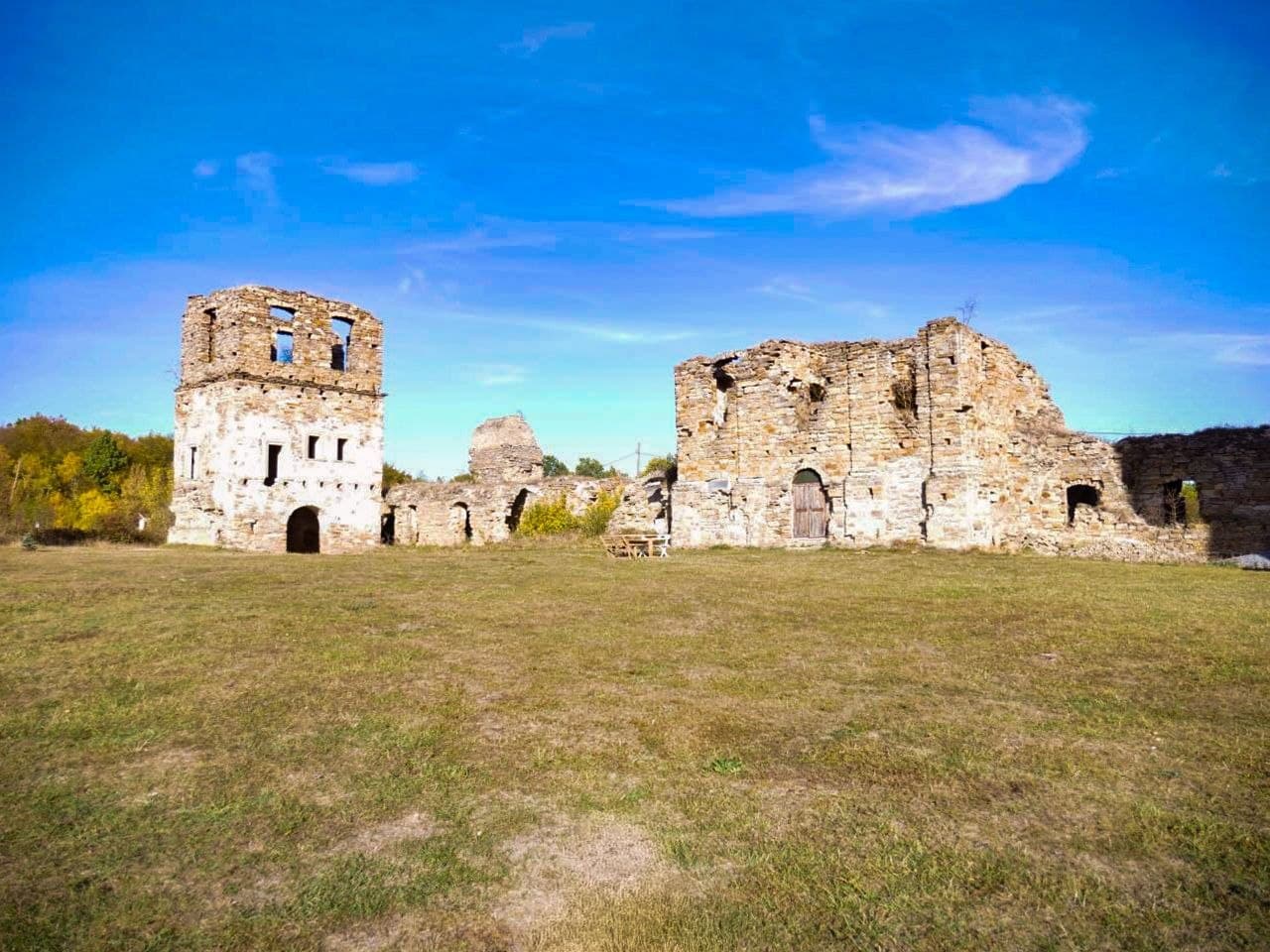
Pidgoriani Holy Transfiguration Fortified Monastery of the Basilian Fathers (Ruins of the Monastery-Fortress)
Pidgora, Ternopil Oblast, 48108ModerateA unique 17th-century architectural monument of national significance, situated on a high hill near the confluence of the Seret and Hnizna rivers. According to local legends, the monastery existed here as early as the princely era, although the first documentary references date back to 1650. The monastery uniquely combined the functions of a spiritual centre and a powerful fortress. Its courtyard was surrounded by thick stone walls with four corner towers and one gate tower, designed to withstand prolonged sieges. In addition to protecting the region and devoting themselves to prayer, the monks actively pursued scholarly activities. The monastery housed a large library, a school, and even its own astronomical observatory in one of the towers. The miraculous icon of Our Lady of Terebovlia was kept here for a long time. Today, the ruins attract travellers with their breathtaking panoramic views and surviving fragments of ancient defensive structures.
Car, On foot, Bicycle, BusSpring, Summer, AutumnParkingInstagram spotPanoramic viewAsphaltSuitable for childrenFreeRomantic, Historical, Peaceful, FamilyCouples, Families, Companies, Solo travelers, Elderly4GPidgoriani Holy Transfiguration Fortified Monastery of the Basilian Fathers (Ruins of the Monastery-Fortress)
Pidgora, Ternopil Oblast, 48108ModerateA unique 17th-century architectural monument of national significance, situated on a high hill near the confluence of the Seret and Hnizna rivers. According to local legends, the monastery existed here as early as the princely era, although the first documentary references date back to 1650. The monastery uniquely combined the functions of a spiritual centre and a powerful fortress. Its courtyard was surrounded by thick stone walls with four corner towers and one gate tower, designed to withstand prolonged sieges. In addition to protecting the region and devoting themselves to prayer, the monks actively pursued scholarly activities. The monastery housed a large library, a school, and even its own astronomical observatory in one of the towers. The miraculous icon of Our Lady of Terebovlia was kept here for a long time. Today, the ruins attract travellers with their breathtaking panoramic views and surviving fragments of ancient defensive structures.
Car, On foot, Bicycle, BusSpring, Summer, AutumnParkingInstagram spotPanoramic viewAsphaltSuitable for childrenFreeRomantic, Historical, Peaceful, FamilyCouples, Families, Companies, Solo travelers, Elderly4G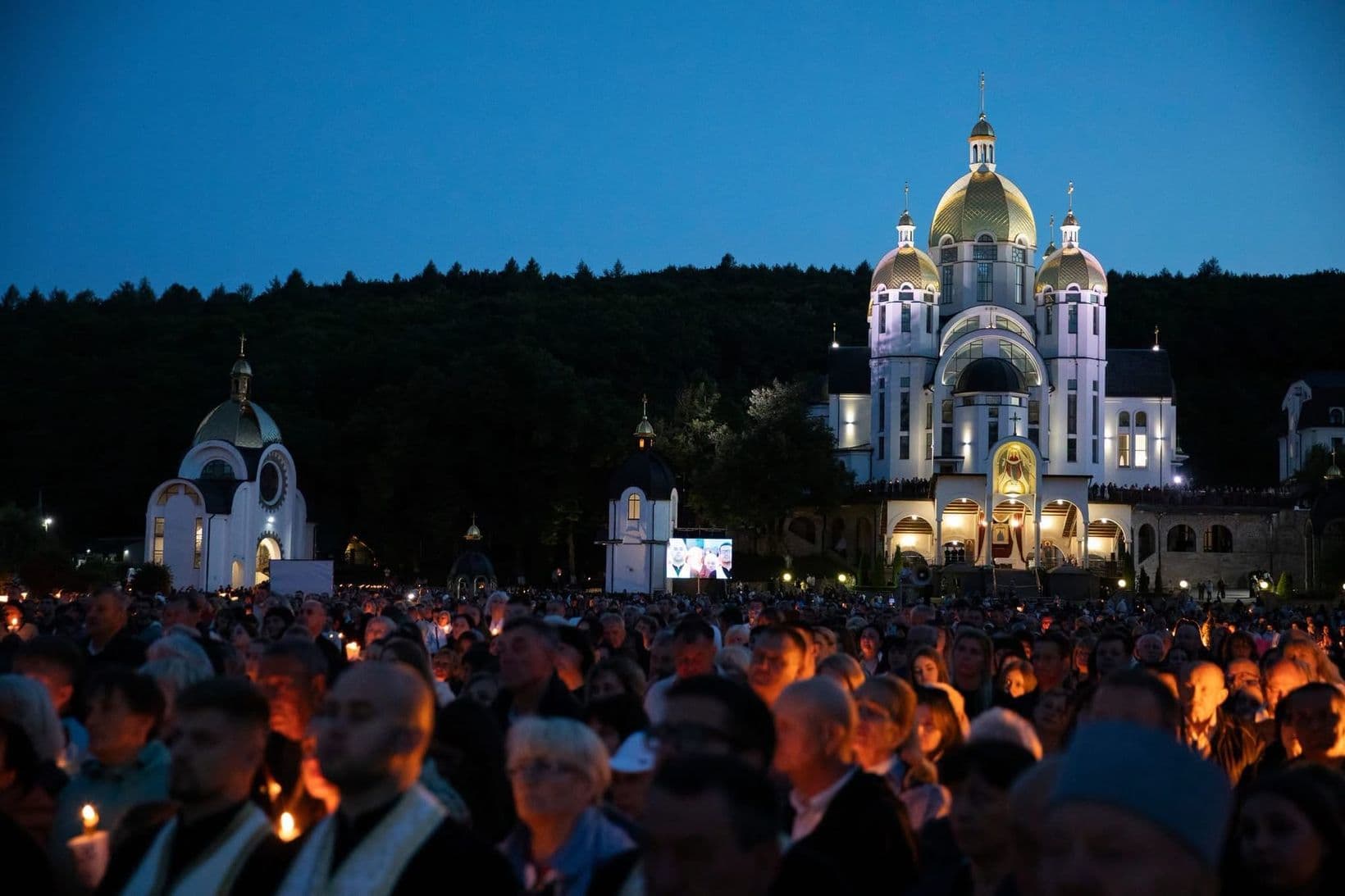
The Marian Spiritual Center "Zarvanytsia"
Village of Zarvanytsia, Ternopil District, Ternopil OblastEasyThe Marian Spiritual Center "Zarvanytsia" one of the greatest sanctuaries of the Ukrainian Greek Catholic Church. It is ranked among the top twenty most revered pilgrimage sites in the Catholic world. The history of Zarvanytsia begins with a monk from Kyiv who found a safe refuge here after the Virgin Mary appeared to him in a dream, holding the infant Jesus in her arms. In 1867, Pope Pius IX crowned the icon and granted Zarvanytsia the status of an official pilgrimage site. Today, this miraculous Icon of the Mother of God of Zarvanytsia is kept in the parish Church of the Holy Trinity. The spiritual complex incorporates several churches, chapels, and a Stations of the Cross path. Every year, millions of pilgrims from all corners of the world visit this place seeking spiritual and physical healing. The unique sacred architectural complex "Ukrainian Jerusalem" is also located on the grounds of the Zarvanytsia Spiritual Center. It is a scaled-down replica of the main Christian shrines of the Holy Land, offering pilgrims a symbolic opportunity to walk the earthly path of Jesus Christ.
Car, On foot, Bicycle, BusAll yearParkingWCEV chargerShelterCafe nearbyInstagram spotPanoramic viewAsphaltSuitable for childrenAccessible for disabled peopleFor visually impairedFor hearing impairedHistorical, Peaceful, FamilyCouples, Families, Companies, Solo travelers, Elderly4G, Wi-FiThe Marian Spiritual Center "Zarvanytsia"
Village of Zarvanytsia, Ternopil District, Ternopil OblastEasyThe Marian Spiritual Center "Zarvanytsia" one of the greatest sanctuaries of the Ukrainian Greek Catholic Church. It is ranked among the top twenty most revered pilgrimage sites in the Catholic world. The history of Zarvanytsia begins with a monk from Kyiv who found a safe refuge here after the Virgin Mary appeared to him in a dream, holding the infant Jesus in her arms. In 1867, Pope Pius IX crowned the icon and granted Zarvanytsia the status of an official pilgrimage site. Today, this miraculous Icon of the Mother of God of Zarvanytsia is kept in the parish Church of the Holy Trinity. The spiritual complex incorporates several churches, chapels, and a Stations of the Cross path. Every year, millions of pilgrims from all corners of the world visit this place seeking spiritual and physical healing. The unique sacred architectural complex "Ukrainian Jerusalem" is also located on the grounds of the Zarvanytsia Spiritual Center. It is a scaled-down replica of the main Christian shrines of the Holy Land, offering pilgrims a symbolic opportunity to walk the earthly path of Jesus Christ.
Car, On foot, Bicycle, BusAll yearParkingWCEV chargerShelterCafe nearbyInstagram spotPanoramic viewAsphaltSuitable for childrenAccessible for disabled peopleFor visually impairedFor hearing impairedHistorical, Peaceful, FamilyCouples, Families, Companies, Solo travelers, Elderly4G, Wi-Fi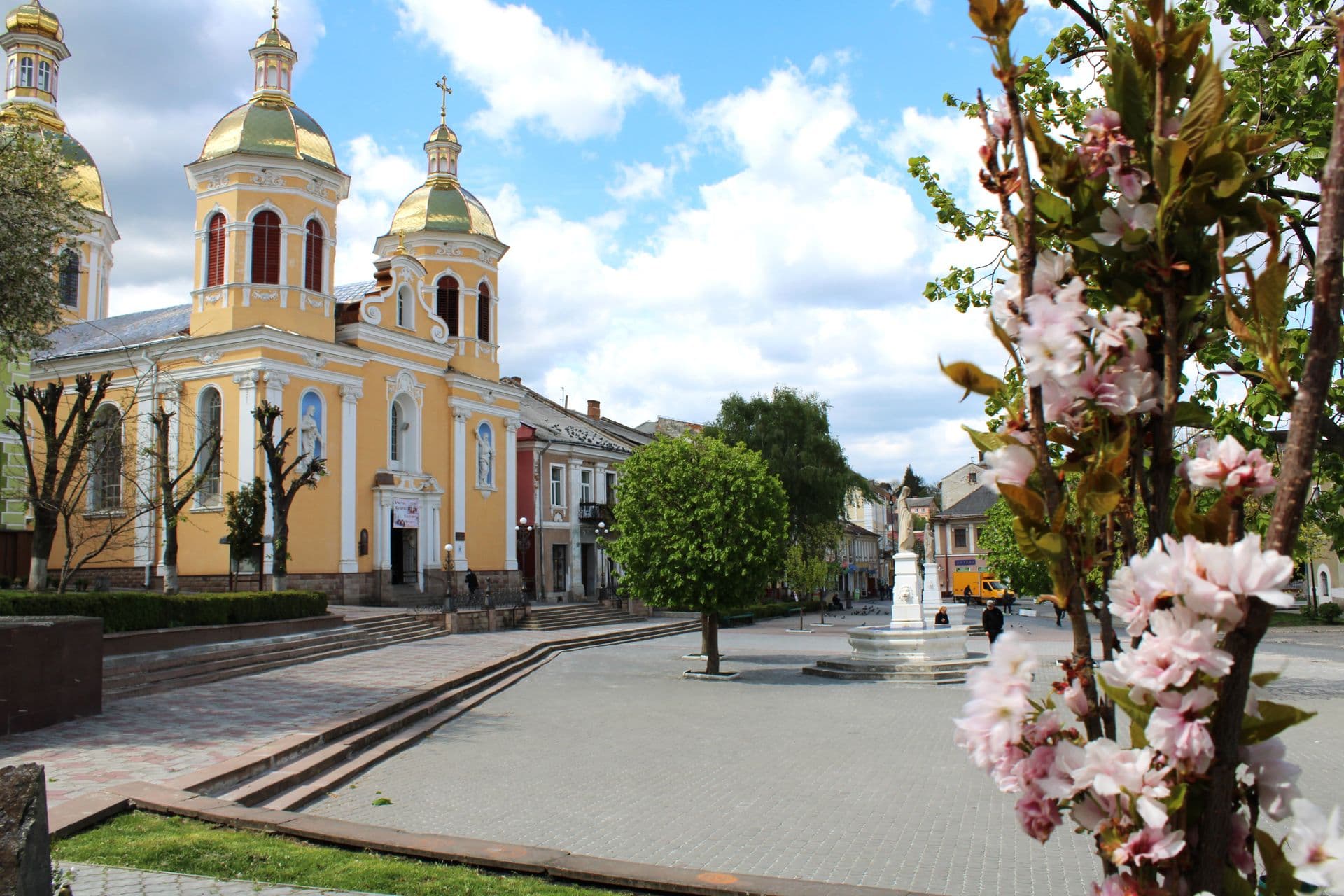
Holy Trinity Church
Berezhany town. Rynok squareEasyThe church was built in 1810. In 1893-1903, the temple was rebuilt. Two side towers and a large dome over the altar were added. The pediment of the building was changed, sculptures of Saints Peter and Paul appeared on the sides of the main entrance in the window niches. The greatest treasure of the temple is the icon of the Mother of God, the so-called Roman, brought by Alexander Sinyavsky from Rome.Initially, it was located in the castle chapel, and in 1831 it was solemnly transferred to the Holy Trinity Church. The church also houses another relic – the relics of St. John the Baptist (a fragment of an arm bone). Inside the church there is an original iconostasis, and the windows are decorated with stained glass windows made in the Byzantine style. The church belongs to the UGCC community, is located in the city center, on Rynok Square. The Holy Trinity Church is an architectural monument of national importance.
Spring, Summer, Autumn, Winter, All yearAsphaltFreeHoly Trinity Church
Berezhany town. Rynok squareEasyThe church was built in 1810. In 1893-1903, the temple was rebuilt. Two side towers and a large dome over the altar were added. The pediment of the building was changed, sculptures of Saints Peter and Paul appeared on the sides of the main entrance in the window niches. The greatest treasure of the temple is the icon of the Mother of God, the so-called Roman, brought by Alexander Sinyavsky from Rome.Initially, it was located in the castle chapel, and in 1831 it was solemnly transferred to the Holy Trinity Church. The church also houses another relic – the relics of St. John the Baptist (a fragment of an arm bone). Inside the church there is an original iconostasis, and the windows are decorated with stained glass windows made in the Byzantine style. The church belongs to the UGCC community, is located in the city center, on Rynok Square. The Holy Trinity Church is an architectural monument of national importance.
Spring, Summer, Autumn, Winter, All yearAsphaltFree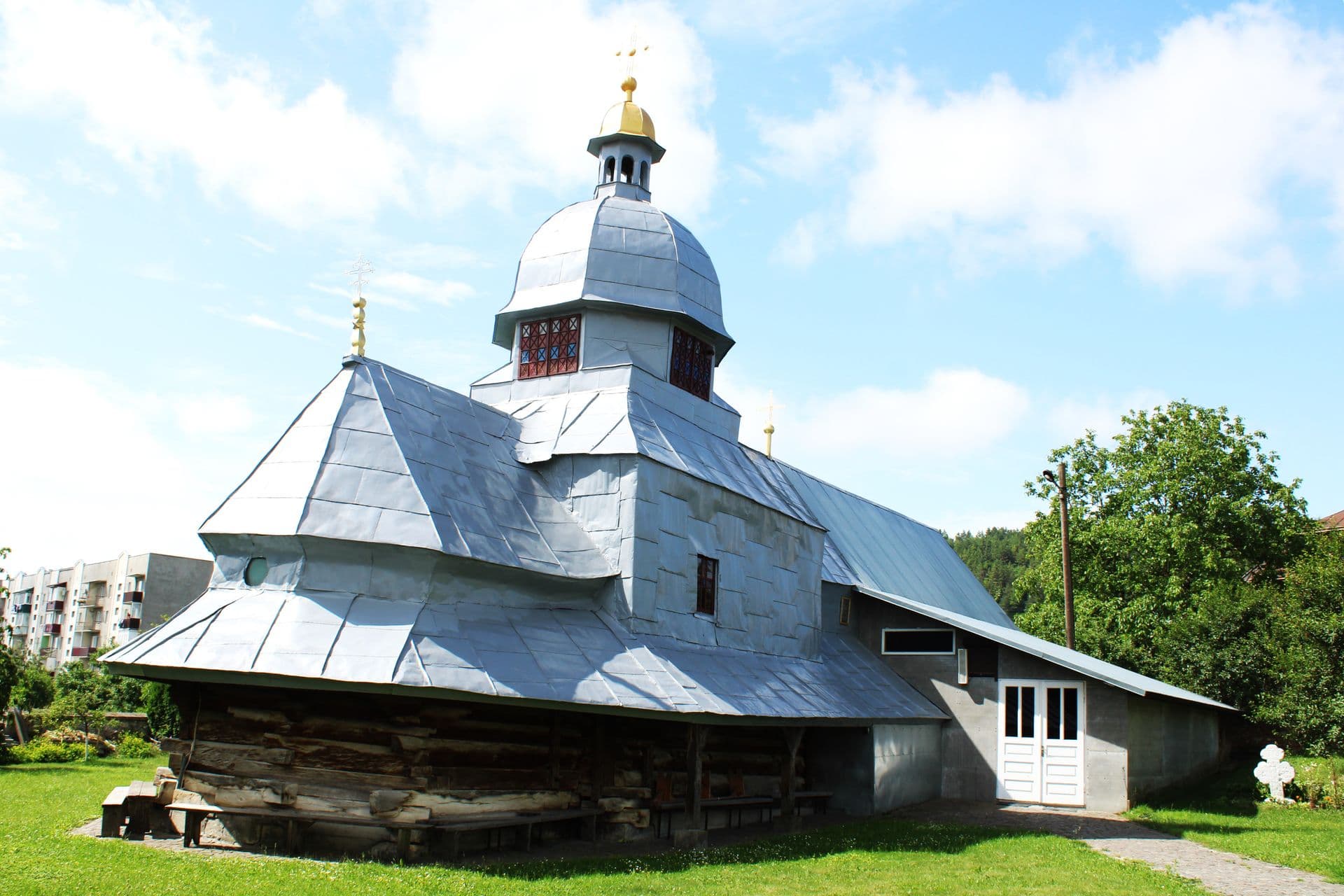
Church of St. Nicholas
Berezhany, T. Shevchenko St.EasyThe church is one of the oldest in the city and has practically not changed during its long history. Entering the sanctuary, it is as if you are traveling in time: the church is decorated according to the traditions of ancient Galicia. The church was built, as written sources indicate, between 1584 and 1610. There is also the date "1691" - apparently, the church was rebuilt then. The wooden bell tower has not survived - it was replaced by a brick one over the gate, on the wall of which the date "1867" is visible. The church is an architectural monument of national importance. Now the church belongs to the OCU community.
Spring, Summer, Autumn, Winter, All yearAsphaltFreeChurch of St. Nicholas
Berezhany, T. Shevchenko St.EasyThe church is one of the oldest in the city and has practically not changed during its long history. Entering the sanctuary, it is as if you are traveling in time: the church is decorated according to the traditions of ancient Galicia. The church was built, as written sources indicate, between 1584 and 1610. There is also the date "1691" - apparently, the church was rebuilt then. The wooden bell tower has not survived - it was replaced by a brick one over the gate, on the wall of which the date "1867" is visible. The church is an architectural monument of national importance. Now the church belongs to the OCU community.
Spring, Summer, Autumn, Winter, All yearAsphaltFree