Museums
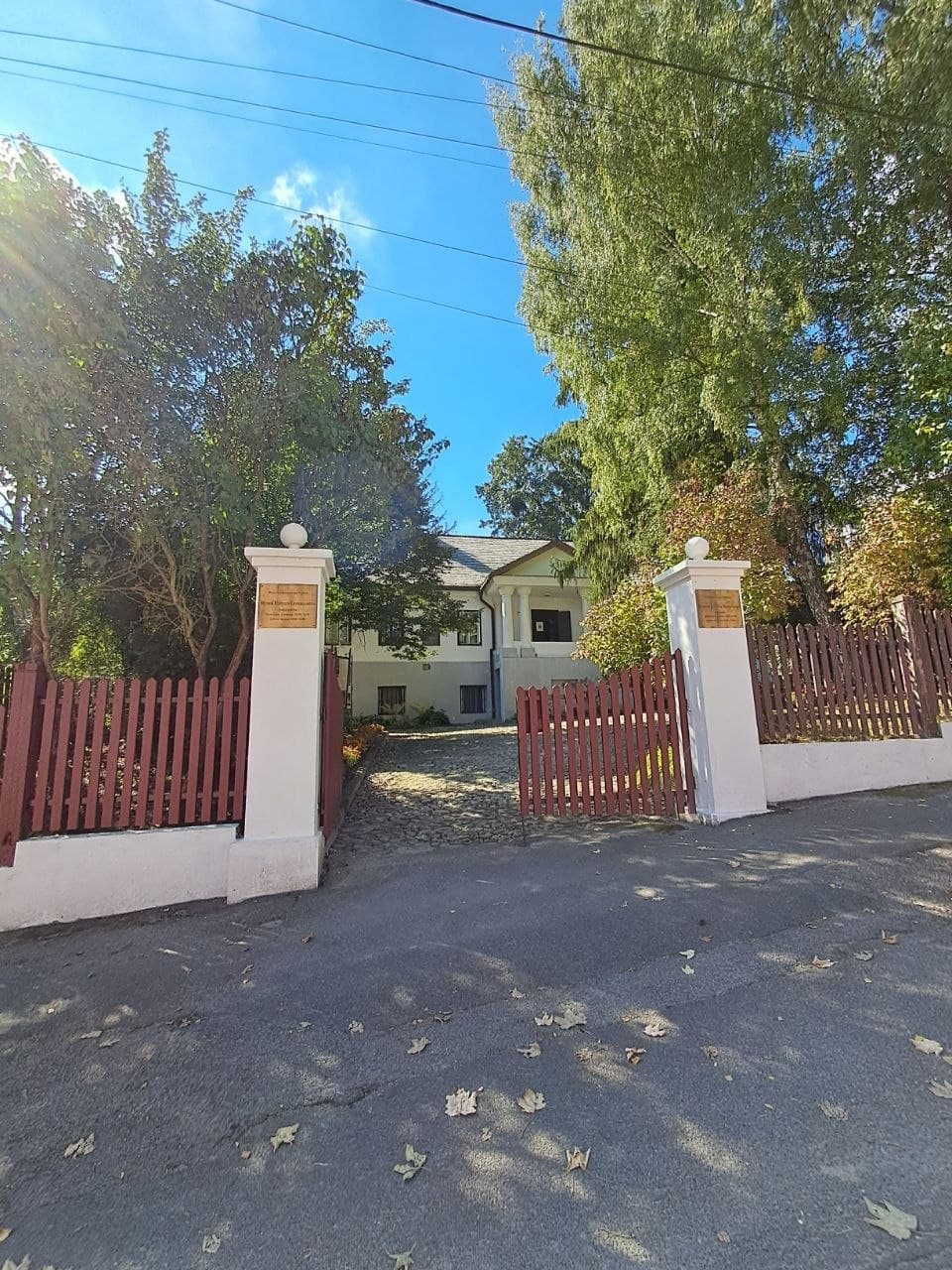
Regional municipal literary and memorial museum of Juliusz Słowacki in Kremenets
Słowacki Street, 16, Kremenets, Ternopil region.EasyThe only museum in the world dedicated to the life and works of the Polish poet and playwright Juliusz Słowacki. The museum is located in the former estate of the Słowacki family. It was established in 2002 and officially opened on an international scale in 2004. The museum exhibition comprises eight thematic rooms: Kremenets (1809–1828); Vilnius (1811–1828); Warsaw (1829–1831); «Letters to His Mother» (Dresden, London, Paris, Geneva, Vevey, Naples); Madame Salomea’s Salon; Juliusz Słowacki’s Travels in Ukraine and the Middle East; Paris: «King-Spirit»; The City of Great Longing (Ad memoriam).
Car, On foot, Bicycle, BusAll yearWCCafe nearbyInstagram spotAsphaltSuitable for childrenAccessible for disabled peoplePaid, FreeRomantic, Historical, Mystical, Peaceful, FamilyCouples, Families, Companies, Solo travelers, Elderly4GRegional municipal literary and memorial museum of Juliusz Słowacki in Kremenets
Słowacki Street, 16, Kremenets, Ternopil region.EasyThe only museum in the world dedicated to the life and works of the Polish poet and playwright Juliusz Słowacki. The museum is located in the former estate of the Słowacki family. It was established in 2002 and officially opened on an international scale in 2004. The museum exhibition comprises eight thematic rooms: Kremenets (1809–1828); Vilnius (1811–1828); Warsaw (1829–1831); «Letters to His Mother» (Dresden, London, Paris, Geneva, Vevey, Naples); Madame Salomea’s Salon; Juliusz Słowacki’s Travels in Ukraine and the Middle East; Paris: «King-Spirit»; The City of Great Longing (Ad memoriam).
Car, On foot, Bicycle, BusAll yearWCCafe nearbyInstagram spotAsphaltSuitable for childrenAccessible for disabled peoplePaid, FreeRomantic, Historical, Mystical, Peaceful, FamilyCouples, Families, Companies, Solo travelers, Elderly4G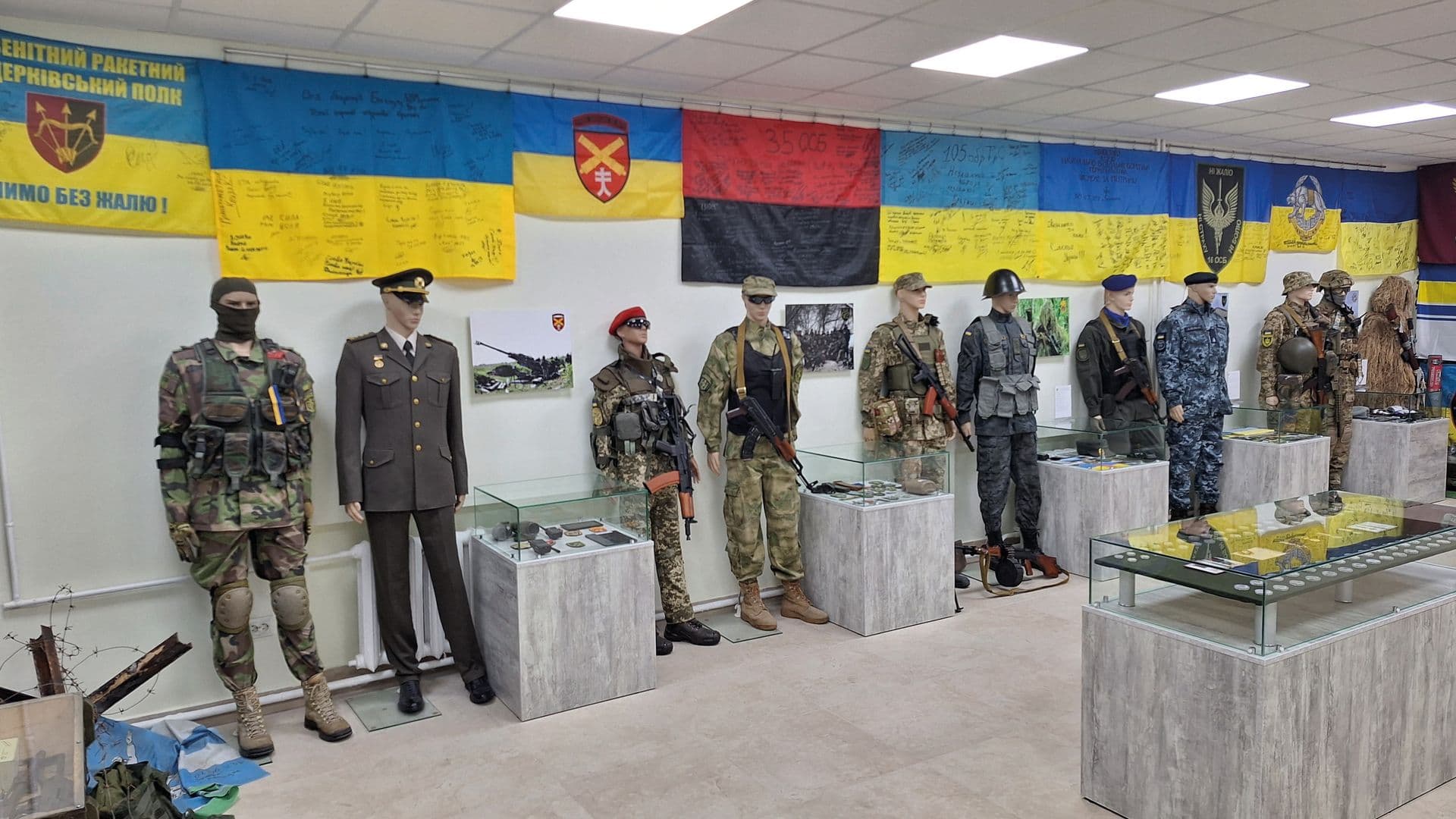
The Museum of the National Liberation Struggle of Ternopil Region
Ternopil, 5 Medova StreetEasyThe Museum of the National Liberation Struggle of the Ternopil Region was established on 6 November 2018 by civic organizations and the Ternopil Regional Council. Its purpose is to preserve and study historical, material, spiritual, and cultural artifacts connected with the national liberation struggle of the Ukrainian nation, and to educate visitors about this historical-cultural heritage. Its main areas of activity are research and cultural-educational work, carried out through the acquisition, preservation, study of historical artifacts and the material and spiritual heritage connected with the struggle for Ukrainian statehood. The following exhibits are open in the main Museum building, where the administration currently operates: «Ukrainian Military Formations of the 20th–21st Centuries», an exhibition devoted to materials from the archives of the OUN armed underground and UPA units «Revolution of Dignity. Volunteers» «Art at War» by Svitlana Lohush «Russian-Ukrainian War».
Car, On foot, Bicycle, BusSpring, Summer, Autumn, Winter, All yearParkingWCCafe nearbyInstagram spotAsphaltSuitable for childrenAccessible for disabled peopleFreeHistorical, Peaceful, FamilyCouples, Families, Companies, Solo travelers, Elderly4G, Wi-FiThe Museum of the National Liberation Struggle of Ternopil Region
Ternopil, 5 Medova StreetEasyThe Museum of the National Liberation Struggle of the Ternopil Region was established on 6 November 2018 by civic organizations and the Ternopil Regional Council. Its purpose is to preserve and study historical, material, spiritual, and cultural artifacts connected with the national liberation struggle of the Ukrainian nation, and to educate visitors about this historical-cultural heritage. Its main areas of activity are research and cultural-educational work, carried out through the acquisition, preservation, study of historical artifacts and the material and spiritual heritage connected with the struggle for Ukrainian statehood. The following exhibits are open in the main Museum building, where the administration currently operates: «Ukrainian Military Formations of the 20th–21st Centuries», an exhibition devoted to materials from the archives of the OUN armed underground and UPA units «Revolution of Dignity. Volunteers» «Art at War» by Svitlana Lohush «Russian-Ukrainian War».
Car, On foot, Bicycle, BusSpring, Summer, Autumn, Winter, All yearParkingWCCafe nearbyInstagram spotAsphaltSuitable for childrenAccessible for disabled peopleFreeHistorical, Peaceful, FamilyCouples, Families, Companies, Solo travelers, Elderly4G, Wi-Fi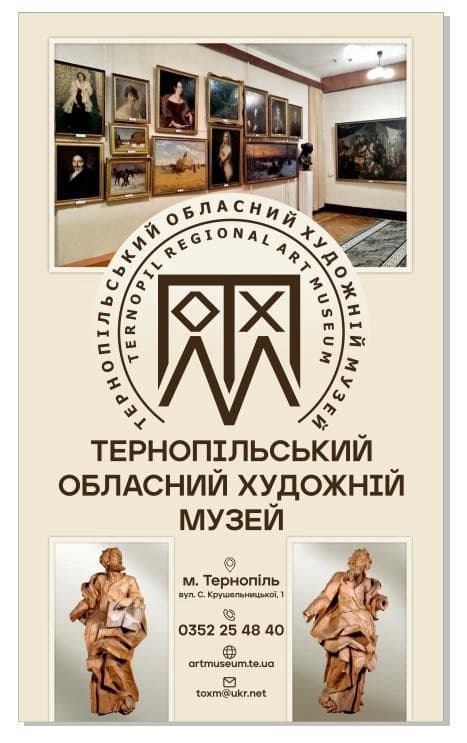
Ternopil Regional Art Museum
1 S. Krushelnytska Street, Ternopil, UkraineEasyThe Ternopil Regional Art Museum is an important cultural and educational institution of the region, preserving, researching, and promoting Ukrainian and international fine art. The museum was founded on May 1, 1991, and today it offers an opportunity to discover the artistic heritage of the 17th–21st centuries. The museum’s collection features works in the following sections: “Ukrainian Art of the 17th–21st Centuries,” “European Art of the 17th–20th Centuries,” and “The Dioniziy Sholdra Memorial Room (1925–1995).” Highlights of the collection include carved bas-reliefs by Johann Georg Pinsel, wooden sculptures by Anton Osinsky, icons by Ukrainian masters, and paintings by Maria Prymachenko, Tetyana Yablonska, Dmytro Narbut, Mykola Hlushchenko, and others. The museum has assembled an extensive collection of works by artists from the Ternopil region, including Antin Manastyrsky, Olena Kulchytska, Yaroslava Muzyka, Jacques Hnizdovsky, and Ivan Marchuk. European art is represented by works by Giovanni Battista Piranesi, Paul Gavarni, Julian Fałat, Franz Lampi, Petr Brandl, and others. The museum organizes exhibitions, conducts guided tours and lectures, holds creative workshops, and hosts cultural and educational events. It is not only a place for preserving artistic treasures but also a space for discovery, inspiration, and spiritual enrichment for visitors.
Car, On foot, Bicycle, BusAll yearParkingWCInstagram spotAsphaltSuitable for childrenPaid, Free, MixedHistorical, Peaceful, FamilyCouples, Families, Companies, Solo travelers, Elderly4GTernopil Regional Art Museum
1 S. Krushelnytska Street, Ternopil, UkraineEasyThe Ternopil Regional Art Museum is an important cultural and educational institution of the region, preserving, researching, and promoting Ukrainian and international fine art. The museum was founded on May 1, 1991, and today it offers an opportunity to discover the artistic heritage of the 17th–21st centuries. The museum’s collection features works in the following sections: “Ukrainian Art of the 17th–21st Centuries,” “European Art of the 17th–20th Centuries,” and “The Dioniziy Sholdra Memorial Room (1925–1995).” Highlights of the collection include carved bas-reliefs by Johann Georg Pinsel, wooden sculptures by Anton Osinsky, icons by Ukrainian masters, and paintings by Maria Prymachenko, Tetyana Yablonska, Dmytro Narbut, Mykola Hlushchenko, and others. The museum has assembled an extensive collection of works by artists from the Ternopil region, including Antin Manastyrsky, Olena Kulchytska, Yaroslava Muzyka, Jacques Hnizdovsky, and Ivan Marchuk. European art is represented by works by Giovanni Battista Piranesi, Paul Gavarni, Julian Fałat, Franz Lampi, Petr Brandl, and others. The museum organizes exhibitions, conducts guided tours and lectures, holds creative workshops, and hosts cultural and educational events. It is not only a place for preserving artistic treasures but also a space for discovery, inspiration, and spiritual enrichment for visitors.
Car, On foot, Bicycle, BusAll yearParkingWCInstagram spotAsphaltSuitable for childrenPaid, Free, MixedHistorical, Peaceful, FamilyCouples, Families, Companies, Solo travelers, Elderly4G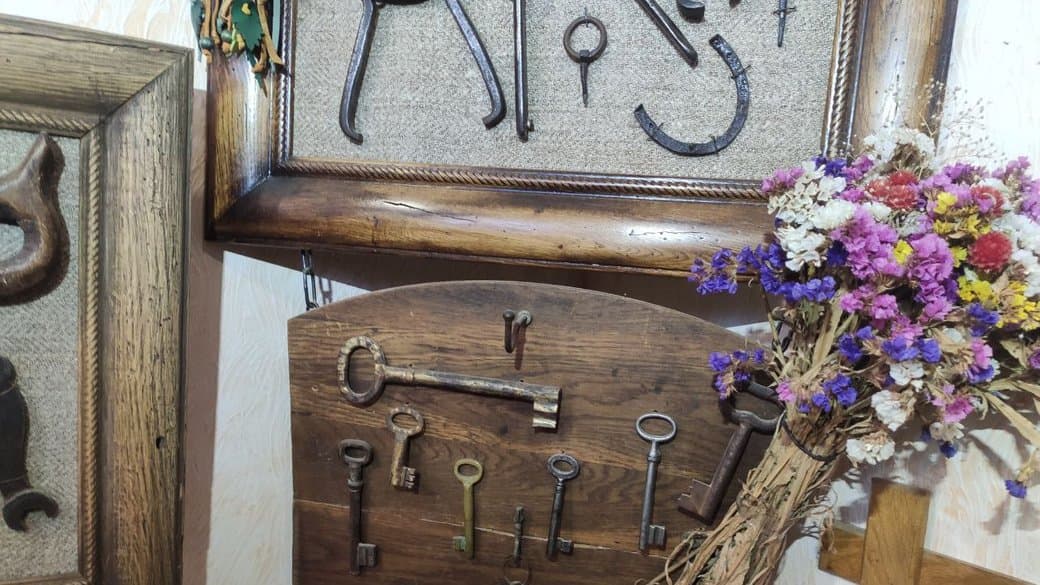
The "Svitlytsia Maistra" (Master’s Parlor) Museum of Antiquities
Slobidka village, Kozliv territorial community, Ternopil district, 47632, Ukraine.EasyA family museum of antiquities where you can discover centuries-old implements, traditional tools, everyday artifacts, and tableware dating back more than 100 years. Remarkably, most of these historical pieces remain fully functional to this day. In addition to cherished family heirlooms, the collection features unique exhibits gathered from various regions across Ukraine. The exhibition is housed in an authentic, historic Lemko-style cottage built by the great-grandfather of the museum’s founders.
Car, Bicycle, BusAll yearAsphaltSuitable for childrenMixedHistorical, Peaceful, FamilyCouples, Families, Companies, Solo travelers, Elderly4GThe "Svitlytsia Maistra" (Master’s Parlor) Museum of Antiquities
Slobidka village, Kozliv territorial community, Ternopil district, 47632, Ukraine.EasyA family museum of antiquities where you can discover centuries-old implements, traditional tools, everyday artifacts, and tableware dating back more than 100 years. Remarkably, most of these historical pieces remain fully functional to this day. In addition to cherished family heirlooms, the collection features unique exhibits gathered from various regions across Ukraine. The exhibition is housed in an authentic, historic Lemko-style cottage built by the great-grandfather of the museum’s founders.
Car, Bicycle, BusAll yearAsphaltSuitable for childrenMixedHistorical, Peaceful, FamilyCouples, Families, Companies, Solo travelers, Elderly4G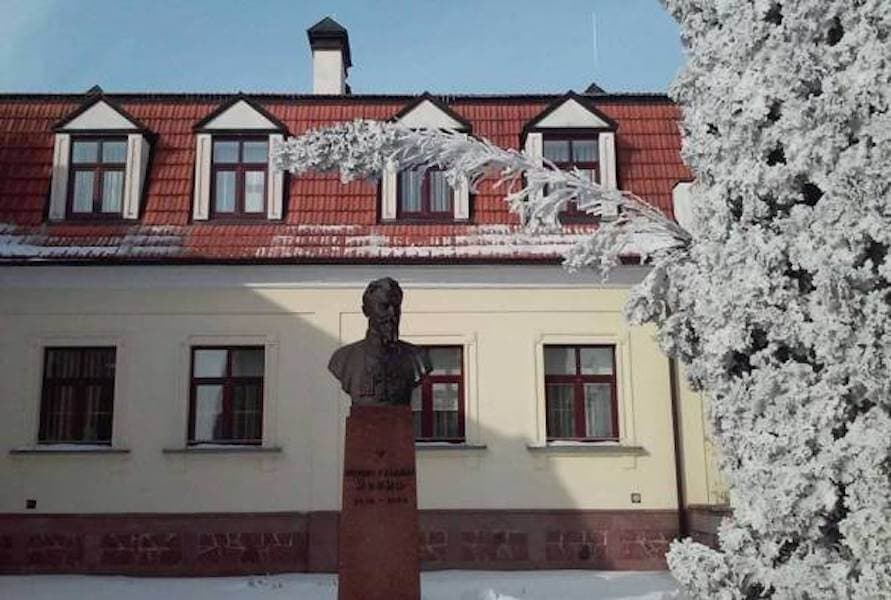
Museum and Memorial Complex "Ridna Khata" (Native Home) of Patriarch Josyf Slipyj
village of Zazdrist, Ternopil District, Ternopil OblastEasyA spiritual and memorial museum dedicated to the Patriarch of the Ukrainian Greek Catholic Church, Cardinal Josyf Slipyj. The museum complex is located on the territory of the family estate of Patriarch Josyf in the village of Zazdrist, Ternopil District, Ternopil Oblast, where this famous church and public figure was born and spent his childhood years. The founder, initiator, and financial supporter of the museum is the "St. Sophia" Religious Society of Ukrainian Catholics (USA). Among the exhibits are personal belongings of Josyf Slipyj, items of clothing, books, documents, and photographs. A commemorative sign in honor of the donors from the "St. Sophia" Society is installed in the museum's foyer, and a bust of Josyf Slipyj stands in the courtyard of the complex. One of the museum's expositions, located in the restored birthplace of the Patriarch, tells the story of the daily life and history of the Slipyj-Dychkovskyi-Kobernytskyi family. Spiritual gatherings and scientific-theological conferences are held at the museum. There is also a liturgical chapel.
Car, Bicycle, BusAll yearParkingWCAsphaltSuitable for childrenAccessible for disabled peopleHistorical, Peaceful, FamilyCouples, Families, Companies, Solo travelers, Elderly4G, Wi-FiMuseum and Memorial Complex "Ridna Khata" (Native Home) of Patriarch Josyf Slipyj
village of Zazdrist, Ternopil District, Ternopil OblastEasyA spiritual and memorial museum dedicated to the Patriarch of the Ukrainian Greek Catholic Church, Cardinal Josyf Slipyj. The museum complex is located on the territory of the family estate of Patriarch Josyf in the village of Zazdrist, Ternopil District, Ternopil Oblast, where this famous church and public figure was born and spent his childhood years. The founder, initiator, and financial supporter of the museum is the "St. Sophia" Religious Society of Ukrainian Catholics (USA). Among the exhibits are personal belongings of Josyf Slipyj, items of clothing, books, documents, and photographs. A commemorative sign in honor of the donors from the "St. Sophia" Society is installed in the museum's foyer, and a bust of Josyf Slipyj stands in the courtyard of the complex. One of the museum's expositions, located in the restored birthplace of the Patriarch, tells the story of the daily life and history of the Slipyj-Dychkovskyi-Kobernytskyi family. Spiritual gatherings and scientific-theological conferences are held at the museum. There is also a liturgical chapel.
Car, Bicycle, BusAll yearParkingWCAsphaltSuitable for childrenAccessible for disabled peopleHistorical, Peaceful, FamilyCouples, Families, Companies, Solo travelers, Elderly4G, Wi-Fi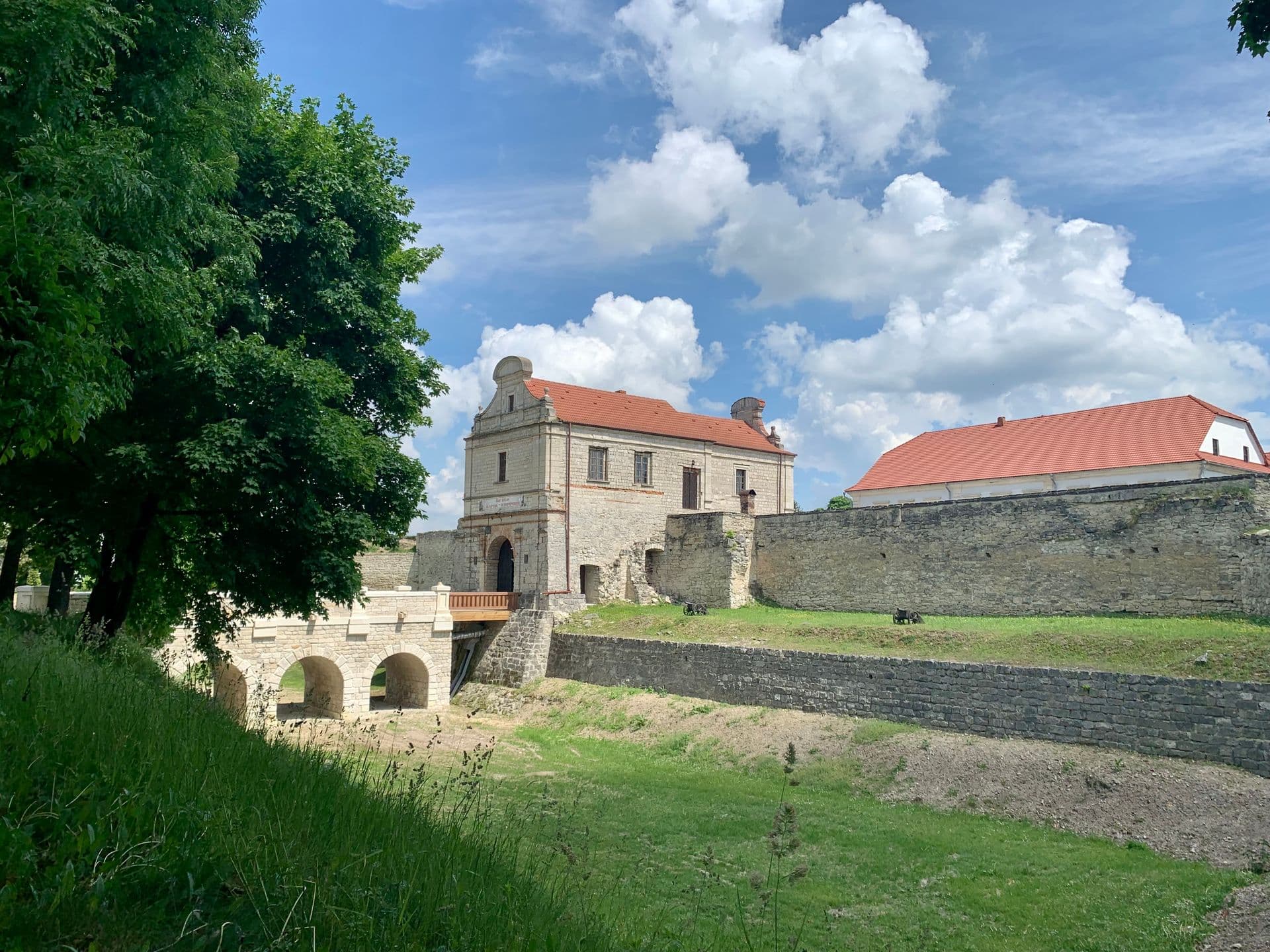
Zbarazh Castle
28 B. Khmelnytskoho St., Zbarazh, Ternopil Oblast, UkraineEasyZbarazh Castle is one of the most prominent historical and cultural monuments of the Ternopil region. It was built in 1626–1631 through the efforts of Princes Yurii and Khrystofor Zbarazkyi. The fortified palace residence was based on a design by the famous Italian architect Vincenzo Scamozzi. The fortress incorporated the latest advances in fortification art, consisting of a palace, casemates, four bastions, a gate tower, and a deep moat. Later, the subsequent owners, the Vishnevetsky princes, expanded the fortifications with a bastion layout. In 1649, during a seven-week siege by Cossack and Tatar forces, the Cossack colonel Nestor Morozenko died beneath its walls. Throughout the 17th and 18th centuries, the fortress was repeatedly damaged by Turkish, Tatar, and Russian troops, but it was rebuilt each time. In the 19th century, the building lost its defensive purpose, and during the Polish-Soviet period as well as both World Wars, it suffered new damage followed by partial restorations. Large-scale reconstruction of the complex began in 1965. In 1994, a state reserve was established based on the local historical landmarks, which later earned the status of the 'Castles of Ternopil Region' National Reserve. Today, numerous halls in the palace and casemates have been restored, housing over 20 exhibition spaces. The castle serves as a vibrant hub for regional cultural and artistic events, forums, and theatrical tours.
On footAll yearParkingWCCafe nearbyInstagram spotAsphaltSuitable for childrenPaidRomantic, Historical, Peaceful, FamilyCouples, Families, Companies, Solo travelers, Elderly4GZbarazh Castle
28 B. Khmelnytskoho St., Zbarazh, Ternopil Oblast, UkraineEasyZbarazh Castle is one of the most prominent historical and cultural monuments of the Ternopil region. It was built in 1626–1631 through the efforts of Princes Yurii and Khrystofor Zbarazkyi. The fortified palace residence was based on a design by the famous Italian architect Vincenzo Scamozzi. The fortress incorporated the latest advances in fortification art, consisting of a palace, casemates, four bastions, a gate tower, and a deep moat. Later, the subsequent owners, the Vishnevetsky princes, expanded the fortifications with a bastion layout. In 1649, during a seven-week siege by Cossack and Tatar forces, the Cossack colonel Nestor Morozenko died beneath its walls. Throughout the 17th and 18th centuries, the fortress was repeatedly damaged by Turkish, Tatar, and Russian troops, but it was rebuilt each time. In the 19th century, the building lost its defensive purpose, and during the Polish-Soviet period as well as both World Wars, it suffered new damage followed by partial restorations. Large-scale reconstruction of the complex began in 1965. In 1994, a state reserve was established based on the local historical landmarks, which later earned the status of the 'Castles of Ternopil Region' National Reserve. Today, numerous halls in the palace and casemates have been restored, housing over 20 exhibition spaces. The castle serves as a vibrant hub for regional cultural and artistic events, forums, and theatrical tours.
On footAll yearParkingWCCafe nearbyInstagram spotAsphaltSuitable for childrenPaidRomantic, Historical, Peaceful, FamilyCouples, Families, Companies, Solo travelers, Elderly4G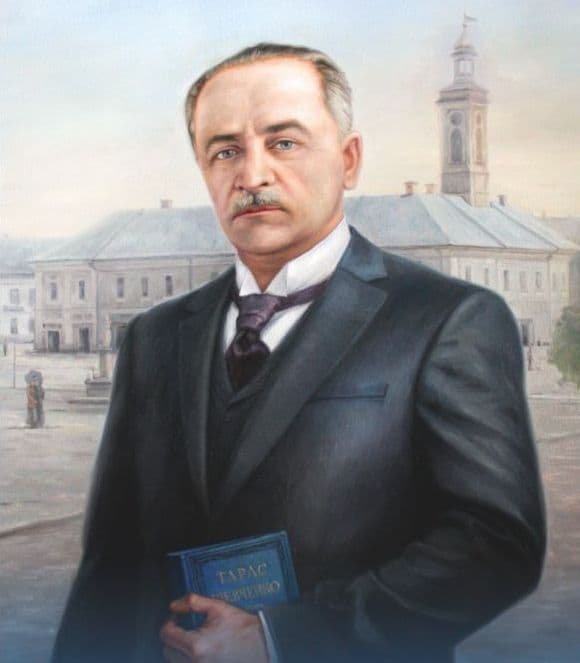
The Regional Communal Museum of Bohdan Lepky
1 Rynok Square, Berezhany, Ternopil Region, 47500EasyThe Regional Communal Museum of Bohdan Lepky is the first and only museum in Ukraine dedicated to this outstanding figure of Ukrainian culture. The museum opened its doors to visitors on 27 August 1995 in the very heart of historic Berezhany, in the Town Hall, a 19th-century architectural monument. The exhibition is housed in five halls, each of which tells the story of a particular period in Bohdan Lepky’s life and creative career, as well as his family and circle of acquaintances. Numerous exhibits recreate the atmosphere of the future writer’s childhood and shed light on Lepky’s extensive cultural and educational work among Ukrainians in Poland and Germany. They also highlight his personal and professional relationships with scholars, writers, artists and other prominent cultural figures in Ukraine and Europe. The core of the museum’s collection consists of materials from Bohdan Lepky’s personal archive, including unique family heirlooms, rare photographs, personal documents and first editions of his works, as well as valuable gifts from renowned scholars, writers, artists and patrons of Ukrainian culture. It is only here that visitors can discover Bohdan Lepky as a painter. The museum’s collection includes more than 80 works by Lepky himself and by artists of his time, including Damian Horniatkevych, Oleksandr Mavberh, Osyp Kurylas, Olena Kulchytska, Andrii Nakonechnyi, Levko Lepky and others. A significant part of the collection is devoted to contemporary artistic interpretations of Lepky’s legacy, represented by works by prominent Ukrainian artists such as Yaroslav Omelian, Oleh Shuplyak, Mykhailo and Oleh Kuziv, Bohdan Tkachyk, Mykola Shevchuk, Vasyl Lopata, Mykola Kaftan, Bohdan Brynskyi, Oleh Kinal and others. The Bohdan Lepky Museum also has an exhibition hall for temporary exhibitions, enabling museum staff to introduce visitors to the artistic achievements of Ukrainian artists and to collections from museums across Ukraine. The museum conducts research, cultural and educational activities, and historical and archival research aimed at studying and promoting Bohdan Lepky’s rich creative legacy. Literary lessons, art exhibitions, workshops, book presentations, themed and dramatized guided tours, meetings with writers and scholars, and academic and practical conferences have become established features of the museum’s programme. If you are in Berezhany for the first time - be sure to visit us! No one has confessed their love for hometown the way Bohdan Lepky did: “Berezhany is the town of my childhood and boyhood years, the best town in the world for me. [...] Berezhany, the town of my youth, the best town in the world for me! Are you as beautiful to others as you are to me? − I don’t know. I only know that he, who has lived within your walls for several years, never forgets you, and in his thoughts visits you as joyfully, as I gladly want to visit you today". The museum is always delighted to welcome everyone who wishes to discover Bohdan Lepky’s life and creative journey and immerse themselves in the unique world of his literary works. The spirit of an extraordinary poetic vision still lingers in this building, where the Great Son of the Golden Podillia region once studied and taught. Here, visitors can find special inspiration for creativity and meaningful human connection.
Car, On foot, Bicycle, BusSpring, Summer, Autumn, Winter, All yearParkingCafe nearbyInstagram spotAsphaltSuitable for childrenPaid, MixedRomantic, Historical, Peaceful, FamilyCouples, Families, Companies, Solo travelers, Elderly4G, Wi-FiThe Regional Communal Museum of Bohdan Lepky
1 Rynok Square, Berezhany, Ternopil Region, 47500EasyThe Regional Communal Museum of Bohdan Lepky is the first and only museum in Ukraine dedicated to this outstanding figure of Ukrainian culture. The museum opened its doors to visitors on 27 August 1995 in the very heart of historic Berezhany, in the Town Hall, a 19th-century architectural monument. The exhibition is housed in five halls, each of which tells the story of a particular period in Bohdan Lepky’s life and creative career, as well as his family and circle of acquaintances. Numerous exhibits recreate the atmosphere of the future writer’s childhood and shed light on Lepky’s extensive cultural and educational work among Ukrainians in Poland and Germany. They also highlight his personal and professional relationships with scholars, writers, artists and other prominent cultural figures in Ukraine and Europe. The core of the museum’s collection consists of materials from Bohdan Lepky’s personal archive, including unique family heirlooms, rare photographs, personal documents and first editions of his works, as well as valuable gifts from renowned scholars, writers, artists and patrons of Ukrainian culture. It is only here that visitors can discover Bohdan Lepky as a painter. The museum’s collection includes more than 80 works by Lepky himself and by artists of his time, including Damian Horniatkevych, Oleksandr Mavberh, Osyp Kurylas, Olena Kulchytska, Andrii Nakonechnyi, Levko Lepky and others. A significant part of the collection is devoted to contemporary artistic interpretations of Lepky’s legacy, represented by works by prominent Ukrainian artists such as Yaroslav Omelian, Oleh Shuplyak, Mykhailo and Oleh Kuziv, Bohdan Tkachyk, Mykola Shevchuk, Vasyl Lopata, Mykola Kaftan, Bohdan Brynskyi, Oleh Kinal and others. The Bohdan Lepky Museum also has an exhibition hall for temporary exhibitions, enabling museum staff to introduce visitors to the artistic achievements of Ukrainian artists and to collections from museums across Ukraine. The museum conducts research, cultural and educational activities, and historical and archival research aimed at studying and promoting Bohdan Lepky’s rich creative legacy. Literary lessons, art exhibitions, workshops, book presentations, themed and dramatized guided tours, meetings with writers and scholars, and academic and practical conferences have become established features of the museum’s programme. If you are in Berezhany for the first time - be sure to visit us! No one has confessed their love for hometown the way Bohdan Lepky did: “Berezhany is the town of my childhood and boyhood years, the best town in the world for me. [...] Berezhany, the town of my youth, the best town in the world for me! Are you as beautiful to others as you are to me? − I don’t know. I only know that he, who has lived within your walls for several years, never forgets you, and in his thoughts visits you as joyfully, as I gladly want to visit you today". The museum is always delighted to welcome everyone who wishes to discover Bohdan Lepky’s life and creative journey and immerse themselves in the unique world of his literary works. The spirit of an extraordinary poetic vision still lingers in this building, where the Great Son of the Golden Podillia region once studied and taught. Here, visitors can find special inspiration for creativity and meaningful human connection.
Car, On foot, Bicycle, BusSpring, Summer, Autumn, Winter, All yearParkingCafe nearbyInstagram spotAsphaltSuitable for childrenPaid, MixedRomantic, Historical, Peaceful, FamilyCouples, Families, Companies, Solo travelers, Elderly4G, Wi-Fi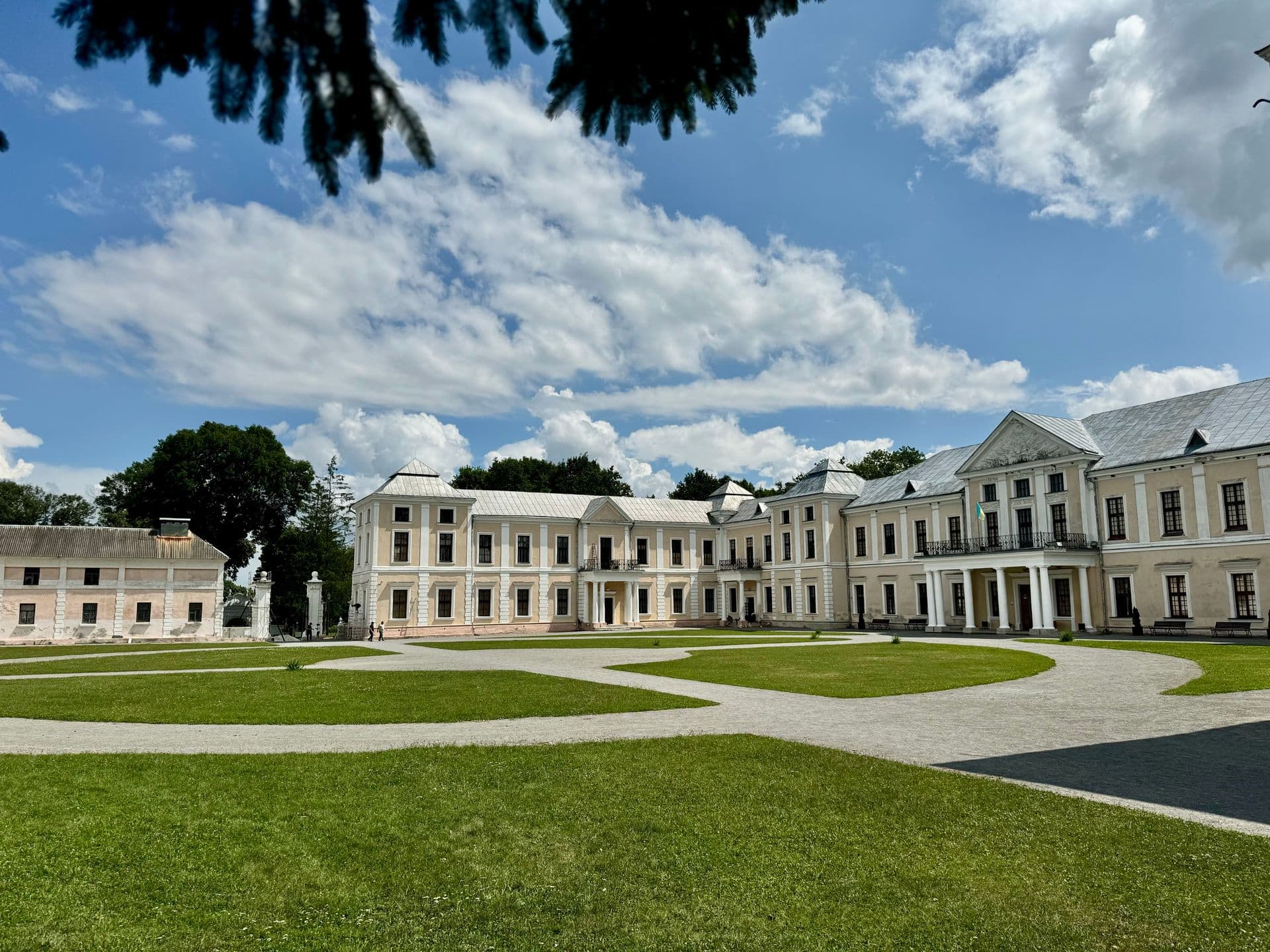
Vyshnivets Palace
5 Zamkova St., Vyshnivets urban-type settlement, Ternopil Oblast, UkraineEasyIn 1494, Prince Mykhailo Vyshnevetsky built a castle in Vyshnivets, which for several centuries served as the ancestral nest of the Vyshnevetsky princes. At the beginning of the 18th century, the last of the Vyshnevetsky princes, Myhal Servatsiy, rebuilt the castle into a magnificent palace, the interiors of which amazed contemporaries with their luxury. The Vyshnivets Palace housed a collection of paintings, weapons, sculptures, antique furniture, Dutch tiles, tableware, a library, and a theater hall. The palace was surrounded by a large park. Honoré de Balzac, who visited Vyshnivets in 1848, called the palace the "Volhynian Versailles." Frequent changes of ownership in the 19th century did not contribute to the preservation of the palace. The building suffered particularly heavy damage during World War I and World War II. In the 1960s, the landmark was repaired and adapted for cultural and educational purposes. Since 1999, the Vyshnivets Palace and Park Complex has been part of the State Historical and Architectural Reserve in Zbarazh (since 2005, the "Castles of Ternopil Region" National Reserve). In 2018, the Mirror Hall—the main ceremonial hall of the palace—was restored.
Car, On foot, Bicycle, BusSpring, Summer, Autumn, Winter, All yearParkingWCInstagram spotPanoramic viewSunrise / SunsetAsphaltSuitable for childrenPaid, MixedRomantic, Historical, Peaceful, FamilyCouples, Families, Companies, Solo travelers, Elderly4G, Wi-FiVyshnivets Palace
5 Zamkova St., Vyshnivets urban-type settlement, Ternopil Oblast, UkraineEasyIn 1494, Prince Mykhailo Vyshnevetsky built a castle in Vyshnivets, which for several centuries served as the ancestral nest of the Vyshnevetsky princes. At the beginning of the 18th century, the last of the Vyshnevetsky princes, Myhal Servatsiy, rebuilt the castle into a magnificent palace, the interiors of which amazed contemporaries with their luxury. The Vyshnivets Palace housed a collection of paintings, weapons, sculptures, antique furniture, Dutch tiles, tableware, a library, and a theater hall. The palace was surrounded by a large park. Honoré de Balzac, who visited Vyshnivets in 1848, called the palace the "Volhynian Versailles." Frequent changes of ownership in the 19th century did not contribute to the preservation of the palace. The building suffered particularly heavy damage during World War I and World War II. In the 1960s, the landmark was repaired and adapted for cultural and educational purposes. Since 1999, the Vyshnivets Palace and Park Complex has been part of the State Historical and Architectural Reserve in Zbarazh (since 2005, the "Castles of Ternopil Region" National Reserve). In 2018, the Mirror Hall—the main ceremonial hall of the palace—was restored.
Car, On foot, Bicycle, BusSpring, Summer, Autumn, Winter, All yearParkingWCInstagram spotPanoramic viewSunrise / SunsetAsphaltSuitable for childrenPaid, MixedRomantic, Historical, Peaceful, FamilyCouples, Families, Companies, Solo travelers, Elderly4G, Wi-Fi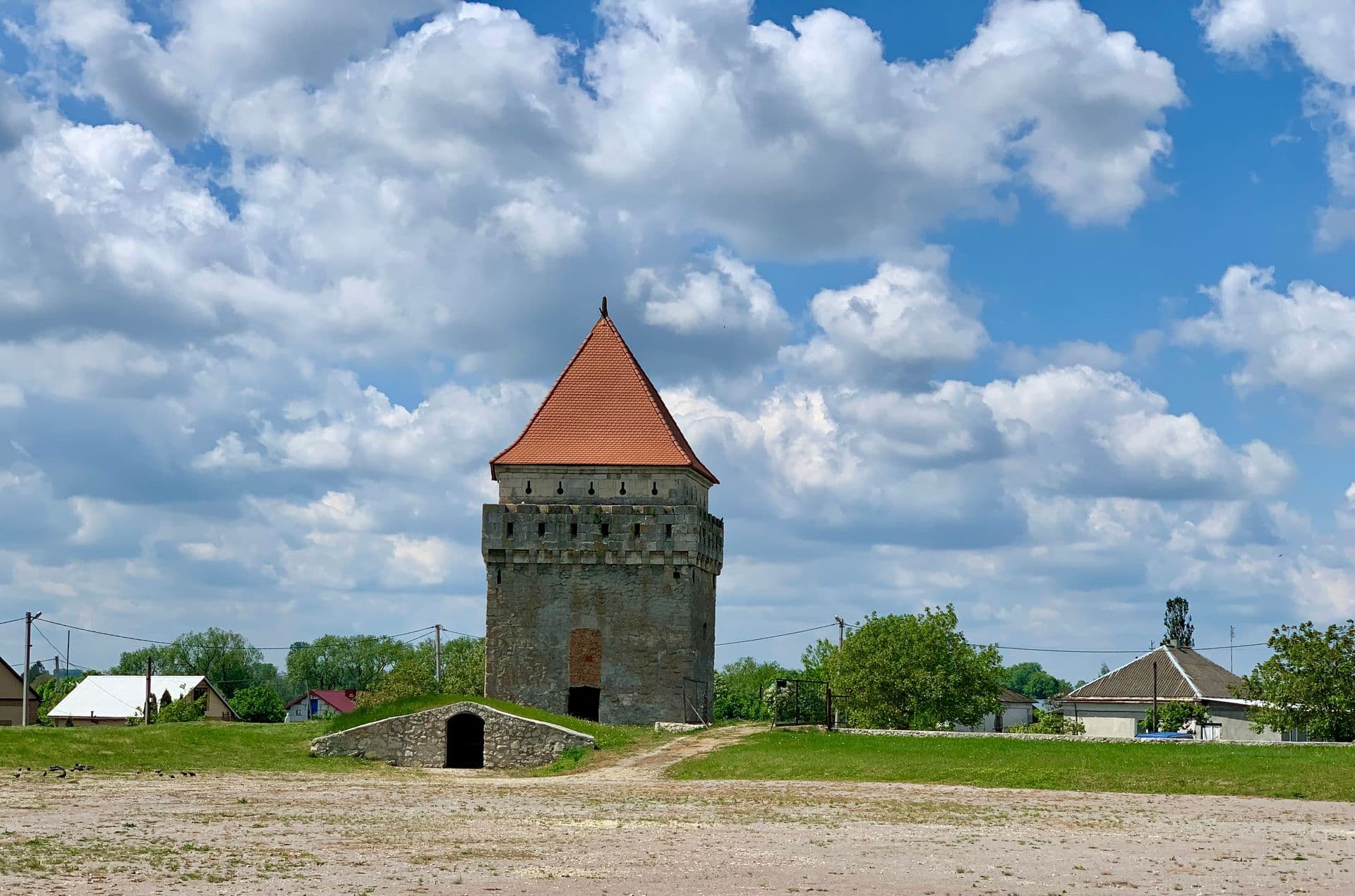
Skalat Castle
3 Ternopilska St., Skalat, Ternopil Oblast, UkraineEasyThe Skalat Castle has been known since the first half of the 17th century. It was founded in 1630 by Krzysztof Wichrowski. In the second half of the 17th century, the castle passed into the ownership of the Firlej family, who did a great deal to strengthen and reconstruct the structure. In plan, the castle is close to a square, with four pentagonal towers located at the corners. They featured four tiers of embrasures. The castle was surrounded by a deep moat. The longest northern wall was 92 meters long, the southern and western walls were 72 meters each, and the eastern wall was almost 63 meters. Inside the fortress, a palace adjoined the eastern wall. In 1651, the castle was captured by the troops of Bohdan Khmelnytsky. It suffered significant damage during the Turkish and Tatar raids in the last quarter of the 17th century. In the 18th century, the castle was transformed into a residential residence: the old palace was rebuilt, a small park was laid out in front of the facade, and an entrance gate with wide arched doorways and two side wickets was erected. During World War I, the structure suffered substantial destruction. In 2004, the castle in the town of Skalat became part of the State Historical and Architectural Reserve (since 2005, the "Castles of Ternopil Region" National Reserve). In 2013, the Reserve carried out the restoration and reconstruction of the four castle towers.
Car, On foot, Bicycle, BusSpring, Summer, Autumn, Winter, All yearParkingWCCafe nearbyInstagram spotAsphaltAccessible for disabled peoplePaid, MixedRomantic, Historical, Peaceful, FamilyCouples, Families, Companies, Solo travelers, Elderly4GSkalat Castle
3 Ternopilska St., Skalat, Ternopil Oblast, UkraineEasyThe Skalat Castle has been known since the first half of the 17th century. It was founded in 1630 by Krzysztof Wichrowski. In the second half of the 17th century, the castle passed into the ownership of the Firlej family, who did a great deal to strengthen and reconstruct the structure. In plan, the castle is close to a square, with four pentagonal towers located at the corners. They featured four tiers of embrasures. The castle was surrounded by a deep moat. The longest northern wall was 92 meters long, the southern and western walls were 72 meters each, and the eastern wall was almost 63 meters. Inside the fortress, a palace adjoined the eastern wall. In 1651, the castle was captured by the troops of Bohdan Khmelnytsky. It suffered significant damage during the Turkish and Tatar raids in the last quarter of the 17th century. In the 18th century, the castle was transformed into a residential residence: the old palace was rebuilt, a small park was laid out in front of the facade, and an entrance gate with wide arched doorways and two side wickets was erected. During World War I, the structure suffered substantial destruction. In 2004, the castle in the town of Skalat became part of the State Historical and Architectural Reserve (since 2005, the "Castles of Ternopil Region" National Reserve). In 2013, the Reserve carried out the restoration and reconstruction of the four castle towers.
Car, On foot, Bicycle, BusSpring, Summer, Autumn, Winter, All yearParkingWCCafe nearbyInstagram spotAsphaltAccessible for disabled peoplePaid, MixedRomantic, Historical, Peaceful, FamilyCouples, Families, Companies, Solo travelers, Elderly4G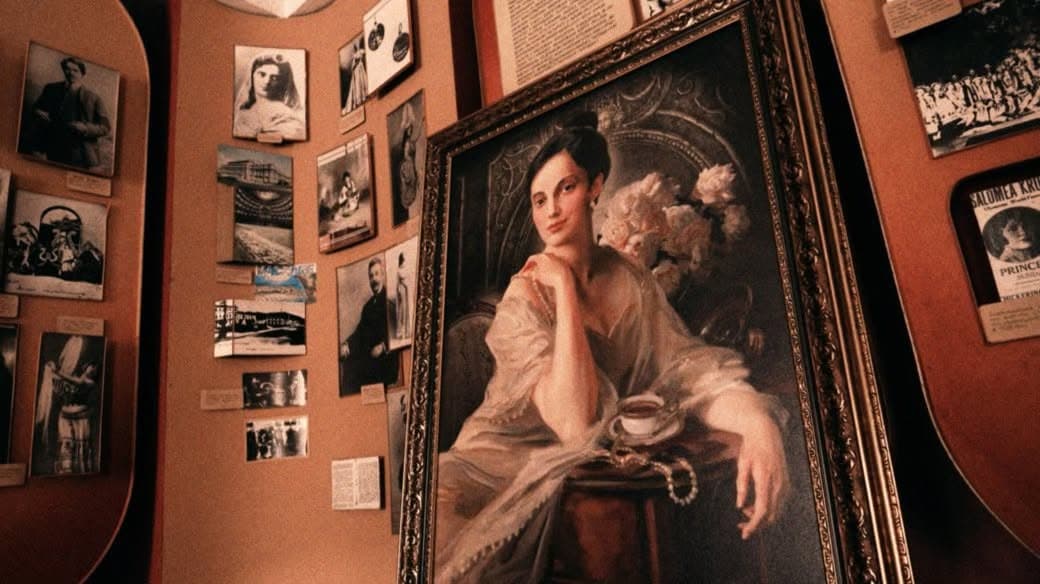
The Solomiya Krushelnytska Memorial Museum in the Village of Bila
ul. Salomei Kruszelnickiej 7, wieś Biła, rejon Tarnopolski, obwód Tarnopolski, 47707, UkrainaEasyWelcome to the birthplace of the success story of world opera’s "most charming Butterfly." Located in the suburbs of Ternopil, the Solomiya Krushelnytska Memorial Museum in the village of Bila is an inviting, nostalgic space dedicated to the childhood, youth, and formative years of the legendary Ukrainian opera singer. The museum is housed in an authentic former parsonage (parish house) built around 1860. It was here that the Krushelnytska family lived from 1878 to 1891, and where the future primadonna nurtured her extraordinary talent. Museum Highlights The exhibition features original materials from the late 19th and first half of the 20th centuries, tracing the artist's life and brilliant career: • Personal Belongings & Everyday Life: Authentic jewelry, garments, and furniture that once belonged to the Krushelnytska family. • Archival Treasures: Unique family photographs, manuscripts, letters, and historical documents. • Global Acclaim: Rare opera posters, performance programs, and memoirs of contemporaries celebrating Solomiya’s triumphs on the world’s greatest stages.
Volodymyr Hnatiuk Regional Ethnographic and Memorial Museum
16 Nahirianka St., Velesniv, Chortkiv District, Ternopil Region, 48351EasyThe Volodymyr Hnatiuk Museum is a regional communal ethnographic and memorial museum located in the village of Velesniv in the Ternopil region, dedicated to the life and scientific heritage of the prominent Ukrainian ethnographer and folklorist Volodymyr Hnatiuk. The museum was opened on May 31, 1969, through the initiative and participation of Ostap Cheremshynskyi, who became its first director. A dedicated building was constructed for the museum between 1964 and 1967, and scholars and cultural figures from both Ukraine and the Ukrainian diaspora contributed to the formation of its collection. Today, the museum's holdings include over 9,000 exhibits. The exhibition is arranged across eight rooms. The first four detail the life, scientific activities, and expeditions of Volodymyr Hnatiuk, while the memorial rooms recreate his family's living room and his study, housing personal belongings, manuscripts, letters, books from his private library, and folklore materials. A separate room is dedicated to honoring the scholar's memory, and the repository and exhibition space introduces visitors to the history of Velesniv alongside changing thematic exhibitions. Interestingly, the museum was once visited by Volodymyr Ivasiuk; after exploring Hnatiuk's folklore materials, he discovered motifs within them connected to the song "Chervona Ruta."
Ternopil Historical and Memorial Museum of Political Prisoners
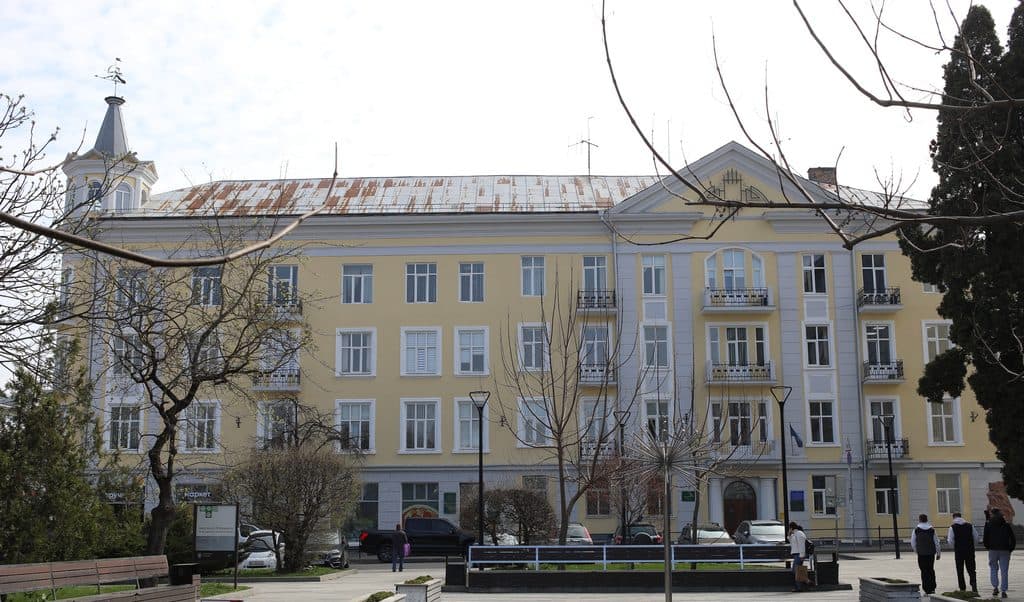
1 Kopernyko St., Ternopil, Ukraine, 46001EasyThe Historical and Memorial Museum of Political Prisoners is a unique site of remembrance in Ternopil, offering a firsthand look into the grim reality of the Soviet repressive machinery and evoking the unbreakable spirit of those who fought for Ukraine's freedom. The museum was opened on October 14, 1996, in the basement cells of a former KGB detention center. The exhibitions are set directly within 11 cells of the former prison. The halls display archival documents, photographs, personal belongings of the inmates, and historical materials that reveal the immense scale of NKVD repressions in the Ternopil region. These exhibits meticulously chronicle the national liberation movement and the Ukrainian struggle for independence. Since 2019, the institution has been operating as a branch of the Museum of the National Liberation Struggle of the Ternopil Region.
WCShelterAll yearCar, On foot, Bicycle, BusHistorical, PeacefulFree4GCouples, Families, Companies, Solo travelers, ElderlyTernopil Historical and Memorial Museum of Political Prisoners
1 Kopernyko St., Ternopil, Ukraine, 46001EasyThe Historical and Memorial Museum of Political Prisoners is a unique site of remembrance in Ternopil, offering a firsthand look into the grim reality of the Soviet repressive machinery and evoking the unbreakable spirit of those who fought for Ukraine's freedom. The museum was opened on October 14, 1996, in the basement cells of a former KGB detention center. The exhibitions are set directly within 11 cells of the former prison. The halls display archival documents, photographs, personal belongings of the inmates, and historical materials that reveal the immense scale of NKVD repressions in the Ternopil region. These exhibits meticulously chronicle the national liberation movement and the Ukrainian struggle for independence. Since 2019, the institution has been operating as a branch of the Museum of the National Liberation Struggle of the Ternopil Region.
WCShelterAll yearCar, On foot, Bicycle, BusHistorical, PeacefulFree4GCouples, Families, Companies, Solo travelers, Elderly