Castles & Palaces
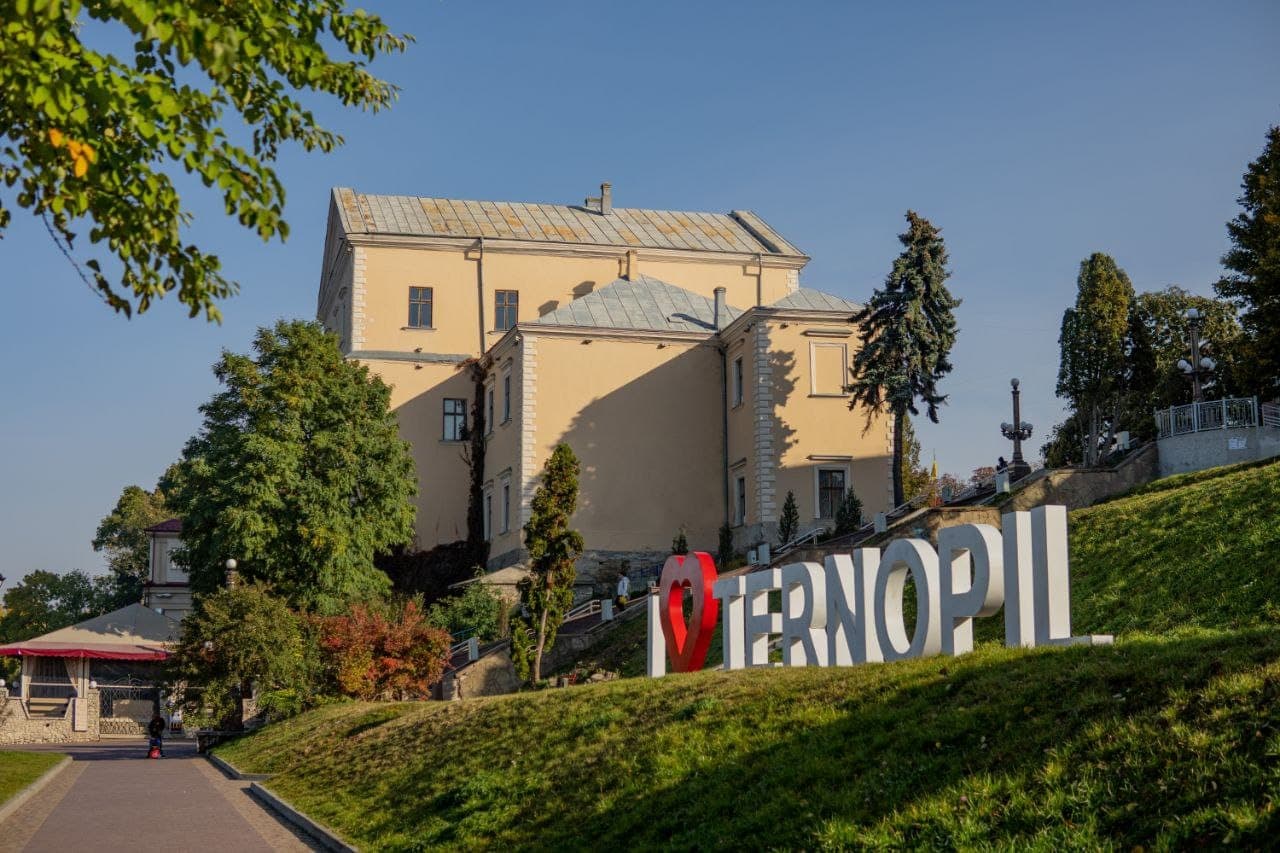
Ternopil Castle
12 Zamkowa St., Ternopil, Ternopil Oblast, 46000EasyThe history of Ternopil began on April 15, 1540, when Jan Amor Tarnowski received a royal charter from the King of Poland to found a city and build a castle on a desolate site previously known as Sopilche. The only surviving remnant of the original fortifications is the castle citadel, featuring walls ranging from 2 to 4.5 meters in thickness. In the 18th century, the structure was converted into a palace. Since 1952, the castle has housed a sports school. Only the underground chambers—sealed off during post-war reconstruction—retain ancient secrets and await brave explorers.
Car, On foot, Bicycle, BusSpring, Summer, Autumn, Winter, All yearParkingShelterCafe nearbyInstagram spotPanoramic viewAsphaltSuitable for childrenFree, MixedHistorical, MysticalCouples, Families, Companies, Solo travelers, Elderly4GTernopil Castle
12 Zamkowa St., Ternopil, Ternopil Oblast, 46000EasyThe history of Ternopil began on April 15, 1540, when Jan Amor Tarnowski received a royal charter from the King of Poland to found a city and build a castle on a desolate site previously known as Sopilche. The only surviving remnant of the original fortifications is the castle citadel, featuring walls ranging from 2 to 4.5 meters in thickness. In the 18th century, the structure was converted into a palace. Since 1952, the castle has housed a sports school. Only the underground chambers—sealed off during post-war reconstruction—retain ancient secrets and await brave explorers.
Car, On foot, Bicycle, BusSpring, Summer, Autumn, Winter, All yearParkingShelterCafe nearbyInstagram spotPanoramic viewAsphaltSuitable for childrenFree, MixedHistorical, MysticalCouples, Families, Companies, Solo travelers, Elderly4G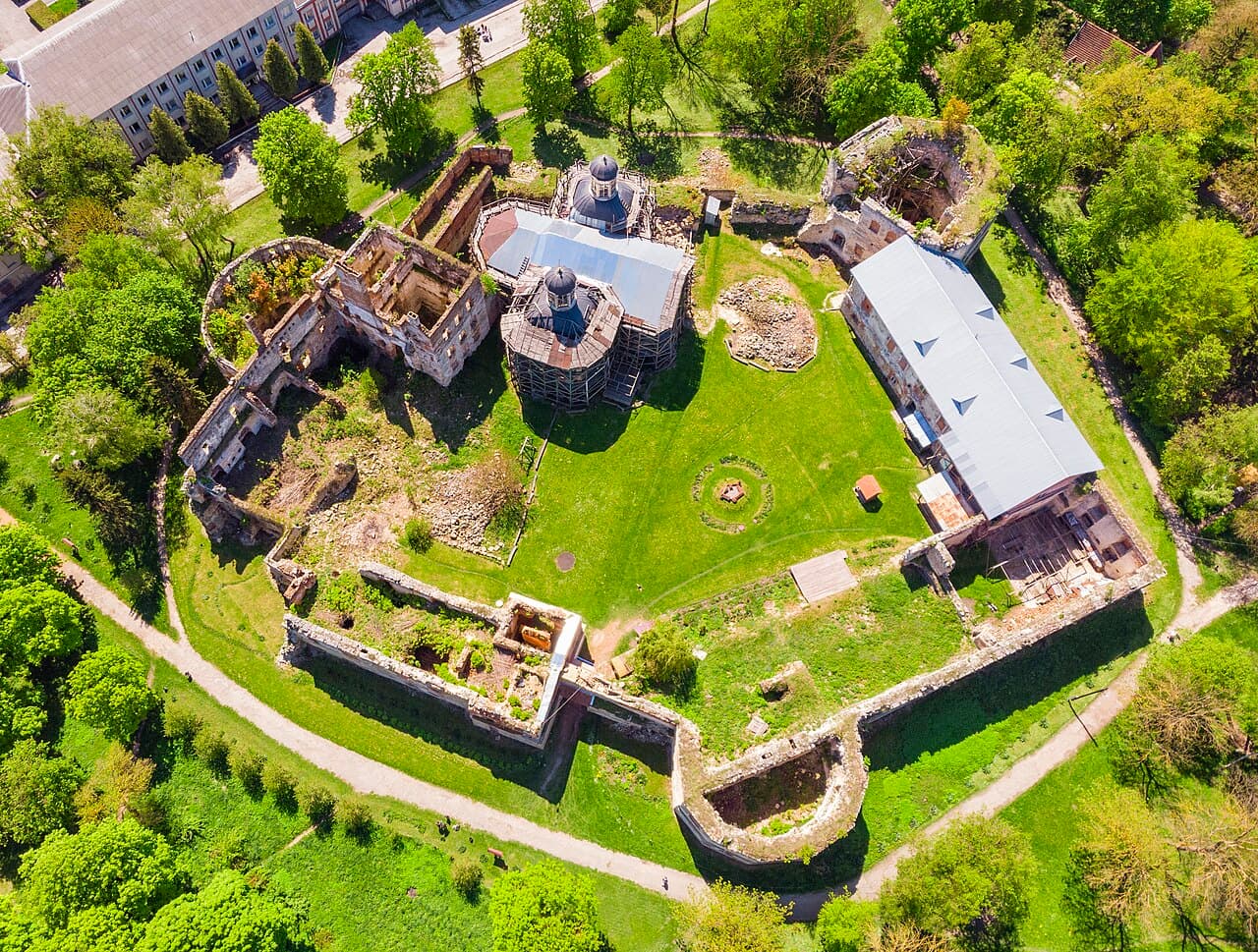
Berezhany Sieniawski Castle (Berezhany)
Berezhany, Ternopil Oblast, 47500EasyBerezhany Sieniawski Castle is one of the finest examples of Renaissance defensive architecture in Ukraine, which the Poles called the “Eastern Wawel.” It is a national heritage monument of architecture and urban planning. The magnificent fortified residence in Berezhany was built in 1534–1554 by the Ruthenian (Ukrainian) voivode and Grand Crown Hetman, Mikołaj Sieniawski. The impregnable fortress, with four towers, was constructed by Italian craftsmen according to the Neo-Dutch system developed by the French engineer Guillaume Le Vasseur de Beauplan, incorporating an artificial water barrier in the floodplain of the Zolota Lypa River.
Car, On foot, Bicycle, BusSpring, Summer, Autumn, Winter, All yearParkingWCShelterInstagram spotPanoramic viewAsphaltSuitable for childrenPaid, MixedRomantic, Historical, Mystical, Peaceful, FamilyCouples, Families, Companies, Solo travelers, Elderly4GBerezhany Sieniawski Castle (Berezhany)
Berezhany, Ternopil Oblast, 47500EasyBerezhany Sieniawski Castle is one of the finest examples of Renaissance defensive architecture in Ukraine, which the Poles called the “Eastern Wawel.” It is a national heritage monument of architecture and urban planning. The magnificent fortified residence in Berezhany was built in 1534–1554 by the Ruthenian (Ukrainian) voivode and Grand Crown Hetman, Mikołaj Sieniawski. The impregnable fortress, with four towers, was constructed by Italian craftsmen according to the Neo-Dutch system developed by the French engineer Guillaume Le Vasseur de Beauplan, incorporating an artificial water barrier in the floodplain of the Zolota Lypa River.
Car, On foot, Bicycle, BusSpring, Summer, Autumn, Winter, All yearParkingWCShelterInstagram spotPanoramic viewAsphaltSuitable for childrenPaid, MixedRomantic, Historical, Mystical, Peaceful, FamilyCouples, Families, Companies, Solo travelers, Elderly4G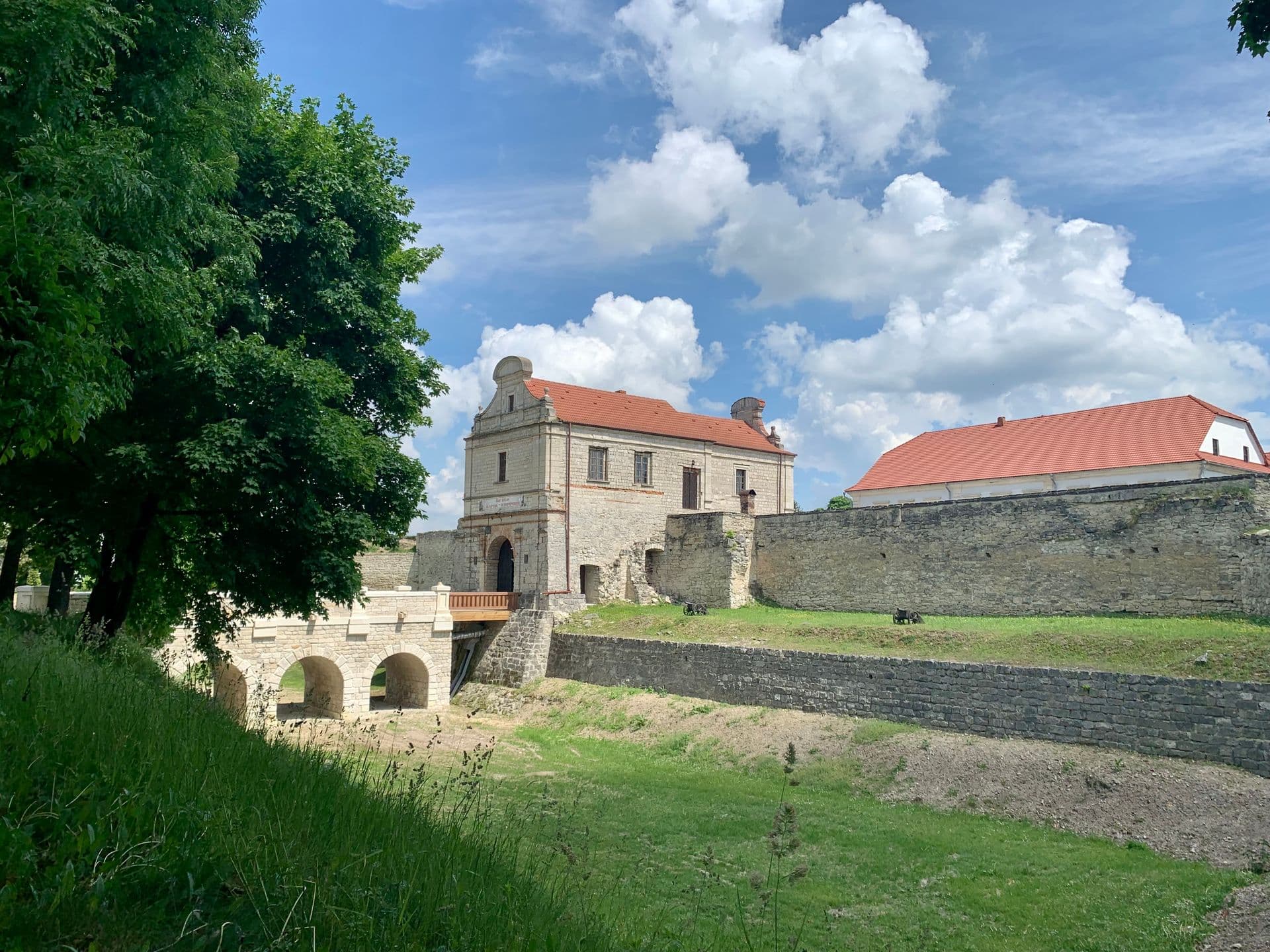
Zbarazh Castle
28 B. Khmelnytskoho St., Zbarazh, Ternopil Oblast, UkraineEasyZbarazh Castle is one of the most prominent historical and cultural monuments of the Ternopil region. It was built in 1626–1631 through the efforts of Princes Yurii and Khrystofor Zbarazkyi. The fortified palace residence was based on a design by the famous Italian architect Vincenzo Scamozzi. The fortress incorporated the latest advances in fortification art, consisting of a palace, casemates, four bastions, a gate tower, and a deep moat. Later, the subsequent owners, the Vishnevetsky princes, expanded the fortifications with a bastion layout. In 1649, during a seven-week siege by Cossack and Tatar forces, the Cossack colonel Nestor Morozenko died beneath its walls. Throughout the 17th and 18th centuries, the fortress was repeatedly damaged by Turkish, Tatar, and Russian troops, but it was rebuilt each time. In the 19th century, the building lost its defensive purpose, and during the Polish-Soviet period as well as both World Wars, it suffered new damage followed by partial restorations. Large-scale reconstruction of the complex began in 1965. In 1994, a state reserve was established based on the local historical landmarks, which later earned the status of the 'Castles of Ternopil Region' National Reserve. Today, numerous halls in the palace and casemates have been restored, housing over 20 exhibition spaces. The castle serves as a vibrant hub for regional cultural and artistic events, forums, and theatrical tours.
On footAll yearParkingWCCafe nearbyInstagram spotAsphaltSuitable for childrenPaidRomantic, Historical, Peaceful, FamilyCouples, Families, Companies, Solo travelers, Elderly4GZbarazh Castle
28 B. Khmelnytskoho St., Zbarazh, Ternopil Oblast, UkraineEasyZbarazh Castle is one of the most prominent historical and cultural monuments of the Ternopil region. It was built in 1626–1631 through the efforts of Princes Yurii and Khrystofor Zbarazkyi. The fortified palace residence was based on a design by the famous Italian architect Vincenzo Scamozzi. The fortress incorporated the latest advances in fortification art, consisting of a palace, casemates, four bastions, a gate tower, and a deep moat. Later, the subsequent owners, the Vishnevetsky princes, expanded the fortifications with a bastion layout. In 1649, during a seven-week siege by Cossack and Tatar forces, the Cossack colonel Nestor Morozenko died beneath its walls. Throughout the 17th and 18th centuries, the fortress was repeatedly damaged by Turkish, Tatar, and Russian troops, but it was rebuilt each time. In the 19th century, the building lost its defensive purpose, and during the Polish-Soviet period as well as both World Wars, it suffered new damage followed by partial restorations. Large-scale reconstruction of the complex began in 1965. In 1994, a state reserve was established based on the local historical landmarks, which later earned the status of the 'Castles of Ternopil Region' National Reserve. Today, numerous halls in the palace and casemates have been restored, housing over 20 exhibition spaces. The castle serves as a vibrant hub for regional cultural and artistic events, forums, and theatrical tours.
On footAll yearParkingWCCafe nearbyInstagram spotAsphaltSuitable for childrenPaidRomantic, Historical, Peaceful, FamilyCouples, Families, Companies, Solo travelers, Elderly4G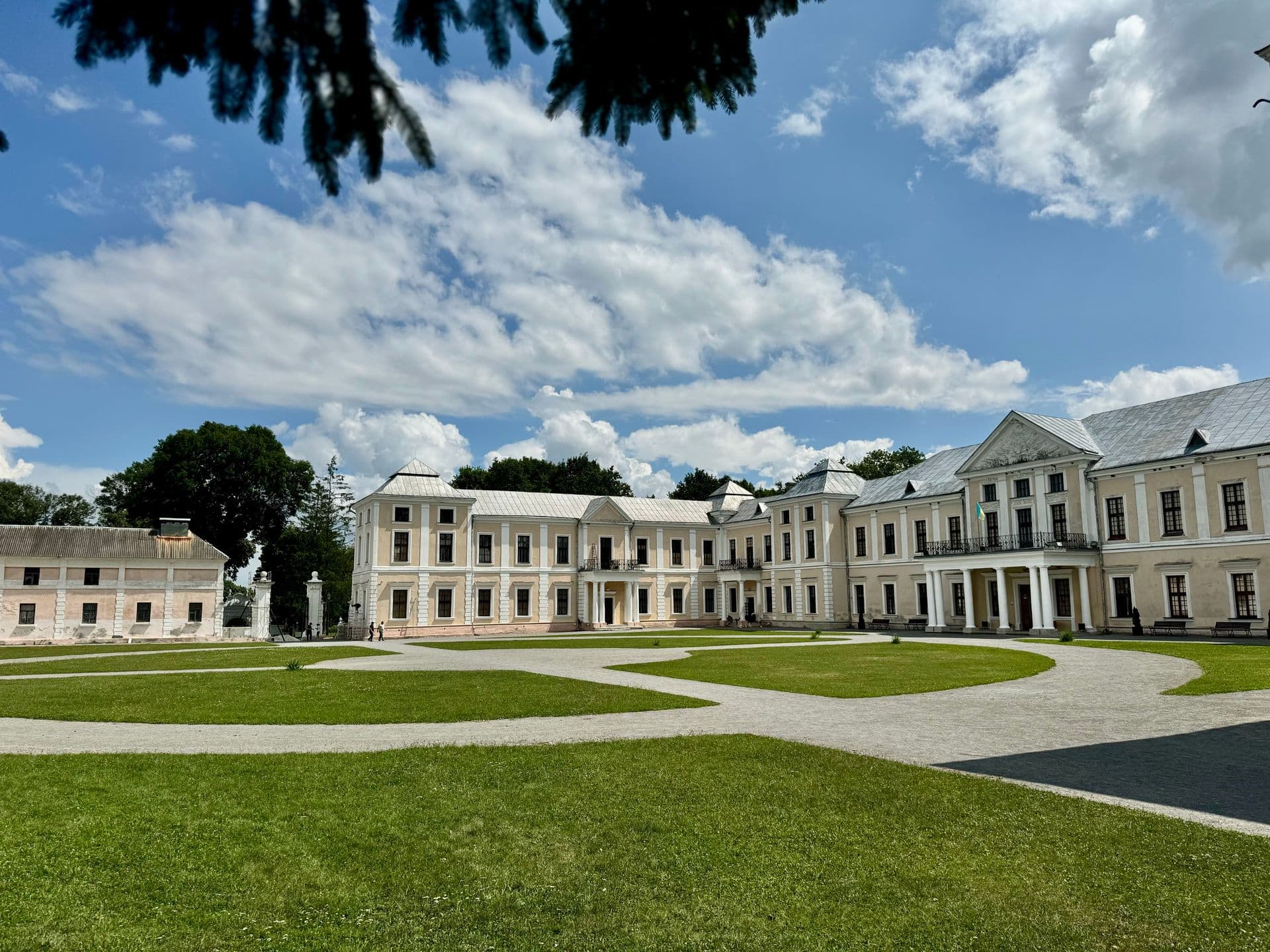
Vyshnivets Palace
5 Zamkova St., Vyshnivets urban-type settlement, Ternopil Oblast, UkraineEasyIn 1494, Prince Mykhailo Vyshnevetsky built a castle in Vyshnivets, which for several centuries served as the ancestral nest of the Vyshnevetsky princes. At the beginning of the 18th century, the last of the Vyshnevetsky princes, Myhal Servatsiy, rebuilt the castle into a magnificent palace, the interiors of which amazed contemporaries with their luxury. The Vyshnivets Palace housed a collection of paintings, weapons, sculptures, antique furniture, Dutch tiles, tableware, a library, and a theater hall. The palace was surrounded by a large park. Honoré de Balzac, who visited Vyshnivets in 1848, called the palace the "Volhynian Versailles." Frequent changes of ownership in the 19th century did not contribute to the preservation of the palace. The building suffered particularly heavy damage during World War I and World War II. In the 1960s, the landmark was repaired and adapted for cultural and educational purposes. Since 1999, the Vyshnivets Palace and Park Complex has been part of the State Historical and Architectural Reserve in Zbarazh (since 2005, the "Castles of Ternopil Region" National Reserve). In 2018, the Mirror Hall—the main ceremonial hall of the palace—was restored.
Car, On foot, Bicycle, BusSpring, Summer, Autumn, Winter, All yearParkingWCInstagram spotPanoramic viewSunrise / SunsetAsphaltSuitable for childrenPaid, MixedRomantic, Historical, Peaceful, FamilyCouples, Families, Companies, Solo travelers, Elderly4G, Wi-FiVyshnivets Palace
5 Zamkova St., Vyshnivets urban-type settlement, Ternopil Oblast, UkraineEasyIn 1494, Prince Mykhailo Vyshnevetsky built a castle in Vyshnivets, which for several centuries served as the ancestral nest of the Vyshnevetsky princes. At the beginning of the 18th century, the last of the Vyshnevetsky princes, Myhal Servatsiy, rebuilt the castle into a magnificent palace, the interiors of which amazed contemporaries with their luxury. The Vyshnivets Palace housed a collection of paintings, weapons, sculptures, antique furniture, Dutch tiles, tableware, a library, and a theater hall. The palace was surrounded by a large park. Honoré de Balzac, who visited Vyshnivets in 1848, called the palace the "Volhynian Versailles." Frequent changes of ownership in the 19th century did not contribute to the preservation of the palace. The building suffered particularly heavy damage during World War I and World War II. In the 1960s, the landmark was repaired and adapted for cultural and educational purposes. Since 1999, the Vyshnivets Palace and Park Complex has been part of the State Historical and Architectural Reserve in Zbarazh (since 2005, the "Castles of Ternopil Region" National Reserve). In 2018, the Mirror Hall—the main ceremonial hall of the palace—was restored.
Car, On foot, Bicycle, BusSpring, Summer, Autumn, Winter, All yearParkingWCInstagram spotPanoramic viewSunrise / SunsetAsphaltSuitable for childrenPaid, MixedRomantic, Historical, Peaceful, FamilyCouples, Families, Companies, Solo travelers, Elderly4G, Wi-Fi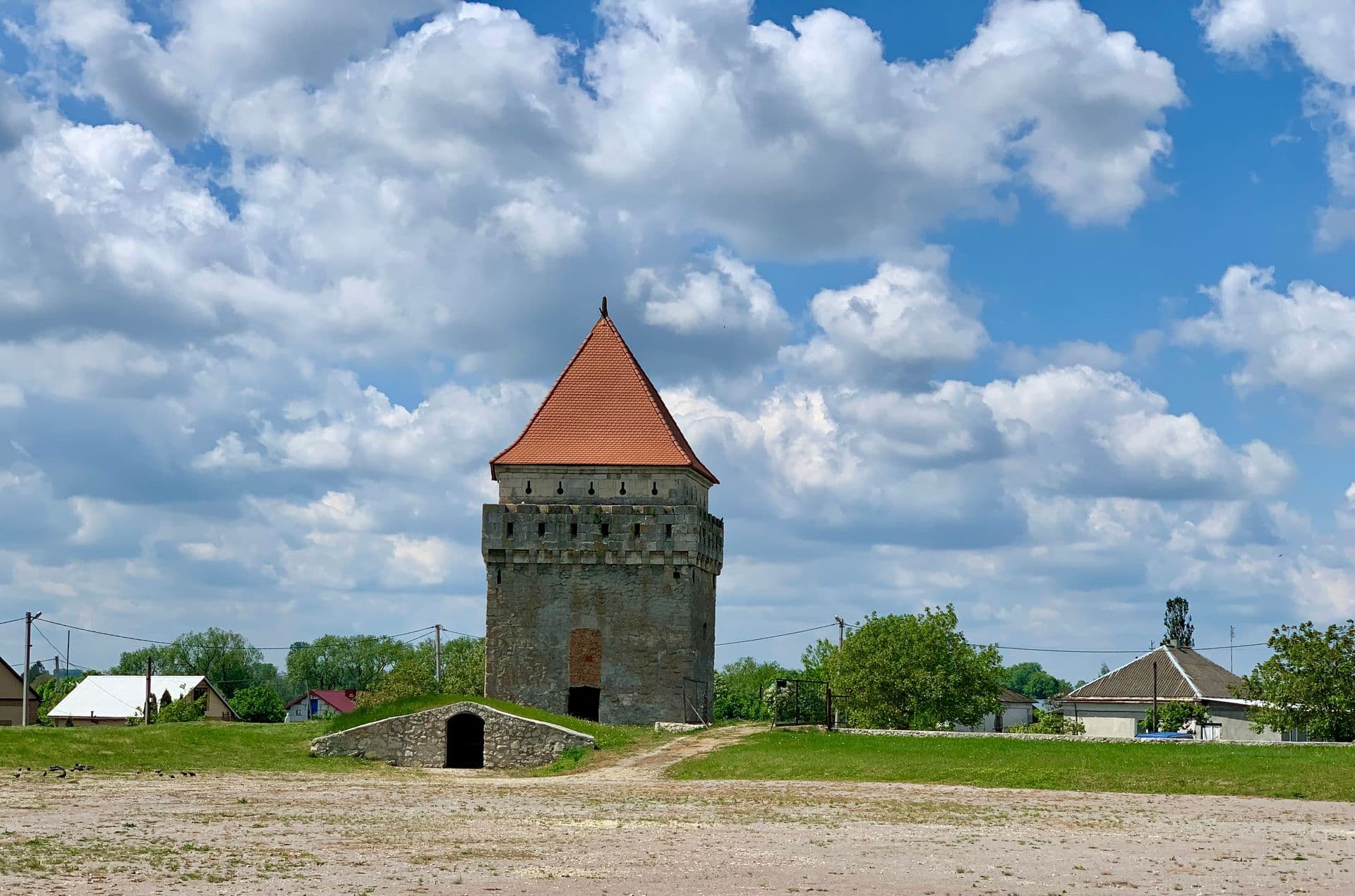
Skalat Castle
3 Ternopilska St., Skalat, Ternopil Oblast, UkraineEasyThe Skalat Castle has been known since the first half of the 17th century. It was founded in 1630 by Krzysztof Wichrowski. In the second half of the 17th century, the castle passed into the ownership of the Firlej family, who did a great deal to strengthen and reconstruct the structure. In plan, the castle is close to a square, with four pentagonal towers located at the corners. They featured four tiers of embrasures. The castle was surrounded by a deep moat. The longest northern wall was 92 meters long, the southern and western walls were 72 meters each, and the eastern wall was almost 63 meters. Inside the fortress, a palace adjoined the eastern wall. In 1651, the castle was captured by the troops of Bohdan Khmelnytsky. It suffered significant damage during the Turkish and Tatar raids in the last quarter of the 17th century. In the 18th century, the castle was transformed into a residential residence: the old palace was rebuilt, a small park was laid out in front of the facade, and an entrance gate with wide arched doorways and two side wickets was erected. During World War I, the structure suffered substantial destruction. In 2004, the castle in the town of Skalat became part of the State Historical and Architectural Reserve (since 2005, the "Castles of Ternopil Region" National Reserve). In 2013, the Reserve carried out the restoration and reconstruction of the four castle towers.
Car, On foot, Bicycle, BusSpring, Summer, Autumn, Winter, All yearParkingWCCafe nearbyInstagram spotAsphaltAccessible for disabled peoplePaid, MixedRomantic, Historical, Peaceful, FamilyCouples, Families, Companies, Solo travelers, Elderly4GSkalat Castle
3 Ternopilska St., Skalat, Ternopil Oblast, UkraineEasyThe Skalat Castle has been known since the first half of the 17th century. It was founded in 1630 by Krzysztof Wichrowski. In the second half of the 17th century, the castle passed into the ownership of the Firlej family, who did a great deal to strengthen and reconstruct the structure. In plan, the castle is close to a square, with four pentagonal towers located at the corners. They featured four tiers of embrasures. The castle was surrounded by a deep moat. The longest northern wall was 92 meters long, the southern and western walls were 72 meters each, and the eastern wall was almost 63 meters. Inside the fortress, a palace adjoined the eastern wall. In 1651, the castle was captured by the troops of Bohdan Khmelnytsky. It suffered significant damage during the Turkish and Tatar raids in the last quarter of the 17th century. In the 18th century, the castle was transformed into a residential residence: the old palace was rebuilt, a small park was laid out in front of the facade, and an entrance gate with wide arched doorways and two side wickets was erected. During World War I, the structure suffered substantial destruction. In 2004, the castle in the town of Skalat became part of the State Historical and Architectural Reserve (since 2005, the "Castles of Ternopil Region" National Reserve). In 2013, the Reserve carried out the restoration and reconstruction of the four castle towers.
Car, On foot, Bicycle, BusSpring, Summer, Autumn, Winter, All yearParkingWCCafe nearbyInstagram spotAsphaltAccessible for disabled peoplePaid, MixedRomantic, Historical, Peaceful, FamilyCouples, Families, Companies, Solo travelers, Elderly4G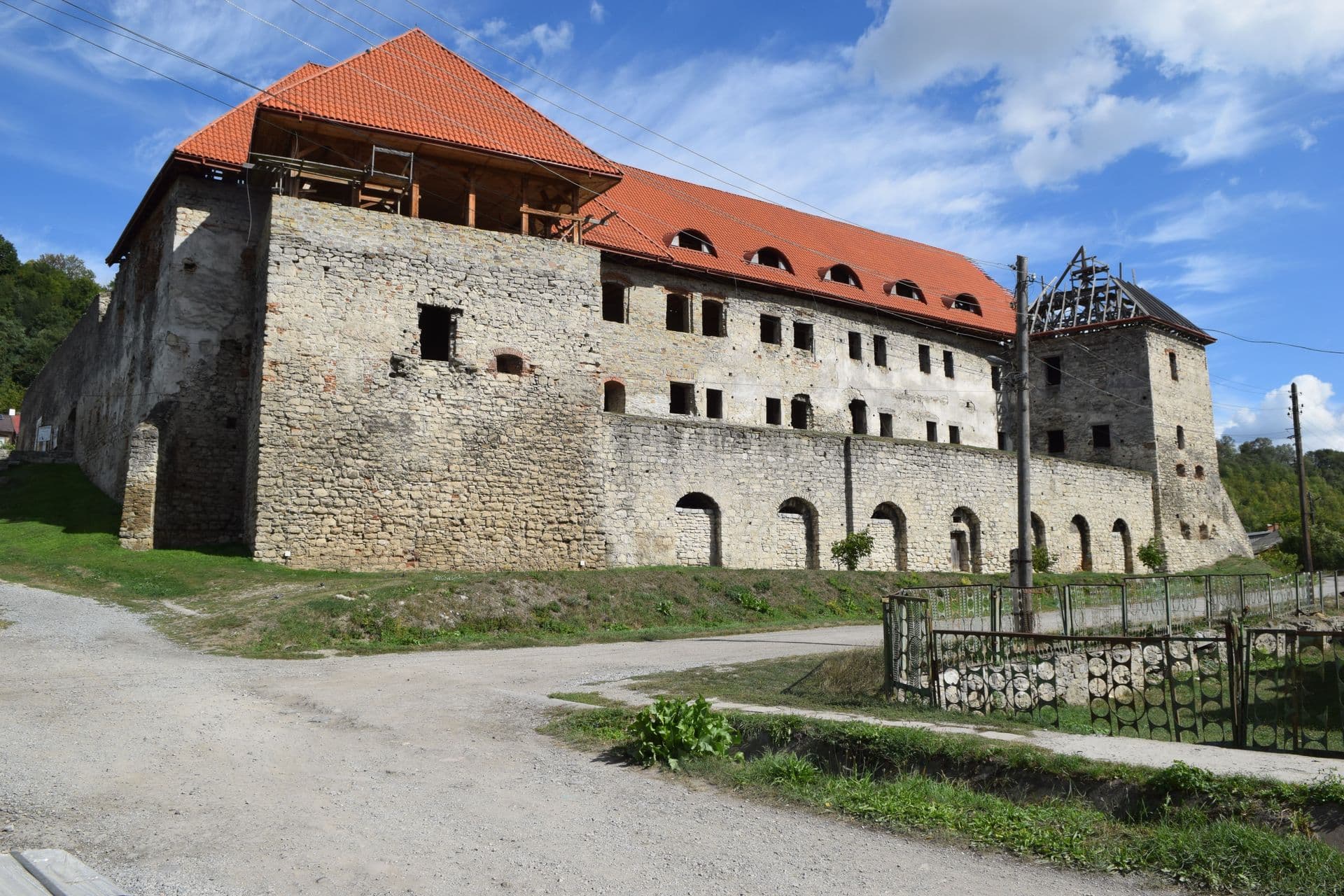
Chortkiv Castle
ChortkivEasyChortkiv Castle is a unique architectural monument dating back to the early 17th century, located in the city of Chortkiv in the Ternopil region. The castle features an unusual pentagonal shape and rises above the left bank of the Seret River, at the foot of Vyhnanska Hill. This stone structure was erected on the site of an earlier wooden fortification and long served as the residence of prominent magnate families—the Holskyis, Pototskyis, and Sadovskyis.
Car, On foot, Bicycle, BusSpring, Summer, Autumn, Winter, All yearParkingInstagram spotDirt pathSuitable for childrenHistorical, MysticalCouples, Families, Companies, Solo travelers4GChortkiv Castle
ChortkivEasyChortkiv Castle is a unique architectural monument dating back to the early 17th century, located in the city of Chortkiv in the Ternopil region. The castle features an unusual pentagonal shape and rises above the left bank of the Seret River, at the foot of Vyhnanska Hill. This stone structure was erected on the site of an earlier wooden fortification and long served as the residence of prominent magnate families—the Holskyis, Pototskyis, and Sadovskyis.
Car, On foot, Bicycle, BusSpring, Summer, Autumn, Winter, All yearParkingInstagram spotDirt pathSuitable for childrenHistorical, MysticalCouples, Families, Companies, Solo travelers4G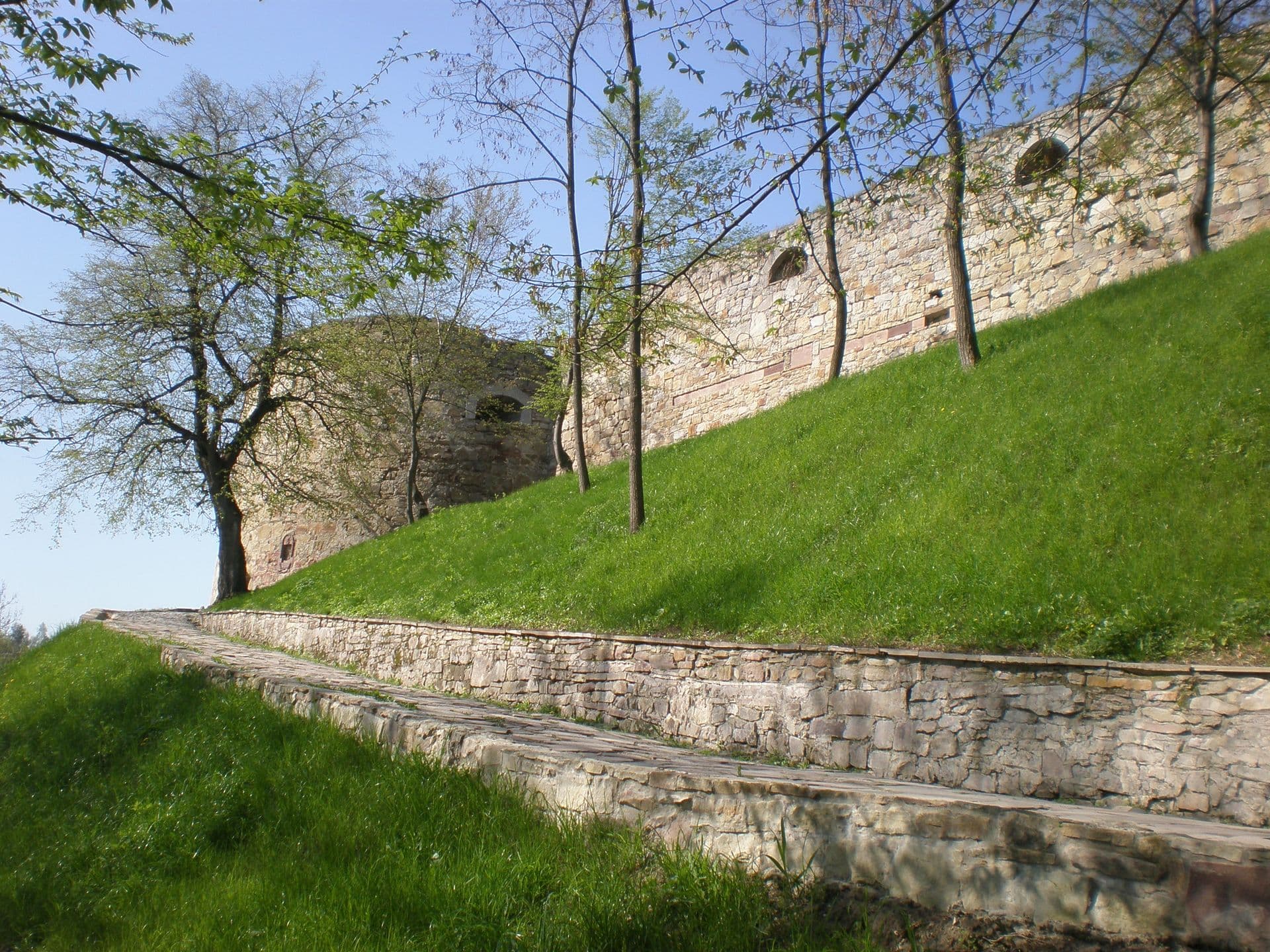
Terebovlia Castle
Pidzamche St., Terebovlia, Ternopil Oblast, UkraineModerateTerebovlia is a city with a glorious history and ancient defensive traditions. The first castle here appeared as early as the 11th century during the reign of Prince Vasylko of Terebovlia. It was made of wood, and its approaches were protected by water fortifications, as well as earthen ramparts and moats, the remains of which have survived to this day. In the 14th century, a new stone castle was built on the site of the princely castle. Frequent enemy attacks created the need to strengthen and expand the castle grounds. In 1631–1632, the town’s starosta, Oleksandr Balaban, erected a mighty fortress on Castle Hill. It featured three defensive towers equipped with embrasures for small arms and cannons, as well as underground passages. The defense of Terebovlia in 1675, enveloped in romance and full of heroism, occurred when the city found itself at the center of the Polish-Turkish war. For 9 days, Turkish troops kept the castle under siege, and it was saved only thanks to the courage of Sofia Chrzanowska, the captain's wife. A monument to this brave woman stands on a hill behind the castle. In the 18th century, with the onset of a peaceful period, the fortress lost its strategic importance and was no longer used as a defensive structure. Since 2008, the Terebovlia Castle has been part of the "Castles of Ternopil Region" National Reserve.
Car, On foot, Bicycle, BusSpring, Summer, Autumn, Winter, All yearWCInstagram spotPanoramic viewSunrise / SunsetSuitable for childrenPaid, MixedRomantic, Historical, Peaceful, FamilyCouples, Families, Companies, Solo travelers4G, Wi-FiTerebovlia Castle
Pidzamche St., Terebovlia, Ternopil Oblast, UkraineModerateTerebovlia is a city with a glorious history and ancient defensive traditions. The first castle here appeared as early as the 11th century during the reign of Prince Vasylko of Terebovlia. It was made of wood, and its approaches were protected by water fortifications, as well as earthen ramparts and moats, the remains of which have survived to this day. In the 14th century, a new stone castle was built on the site of the princely castle. Frequent enemy attacks created the need to strengthen and expand the castle grounds. In 1631–1632, the town’s starosta, Oleksandr Balaban, erected a mighty fortress on Castle Hill. It featured three defensive towers equipped with embrasures for small arms and cannons, as well as underground passages. The defense of Terebovlia in 1675, enveloped in romance and full of heroism, occurred when the city found itself at the center of the Polish-Turkish war. For 9 days, Turkish troops kept the castle under siege, and it was saved only thanks to the courage of Sofia Chrzanowska, the captain's wife. A monument to this brave woman stands on a hill behind the castle. In the 18th century, with the onset of a peaceful period, the fortress lost its strategic importance and was no longer used as a defensive structure. Since 2008, the Terebovlia Castle has been part of the "Castles of Ternopil Region" National Reserve.
Car, On foot, Bicycle, BusSpring, Summer, Autumn, Winter, All yearWCInstagram spotPanoramic viewSunrise / SunsetSuitable for childrenPaid, MixedRomantic, Historical, Peaceful, FamilyCouples, Families, Companies, Solo travelers4G, Wi-Fi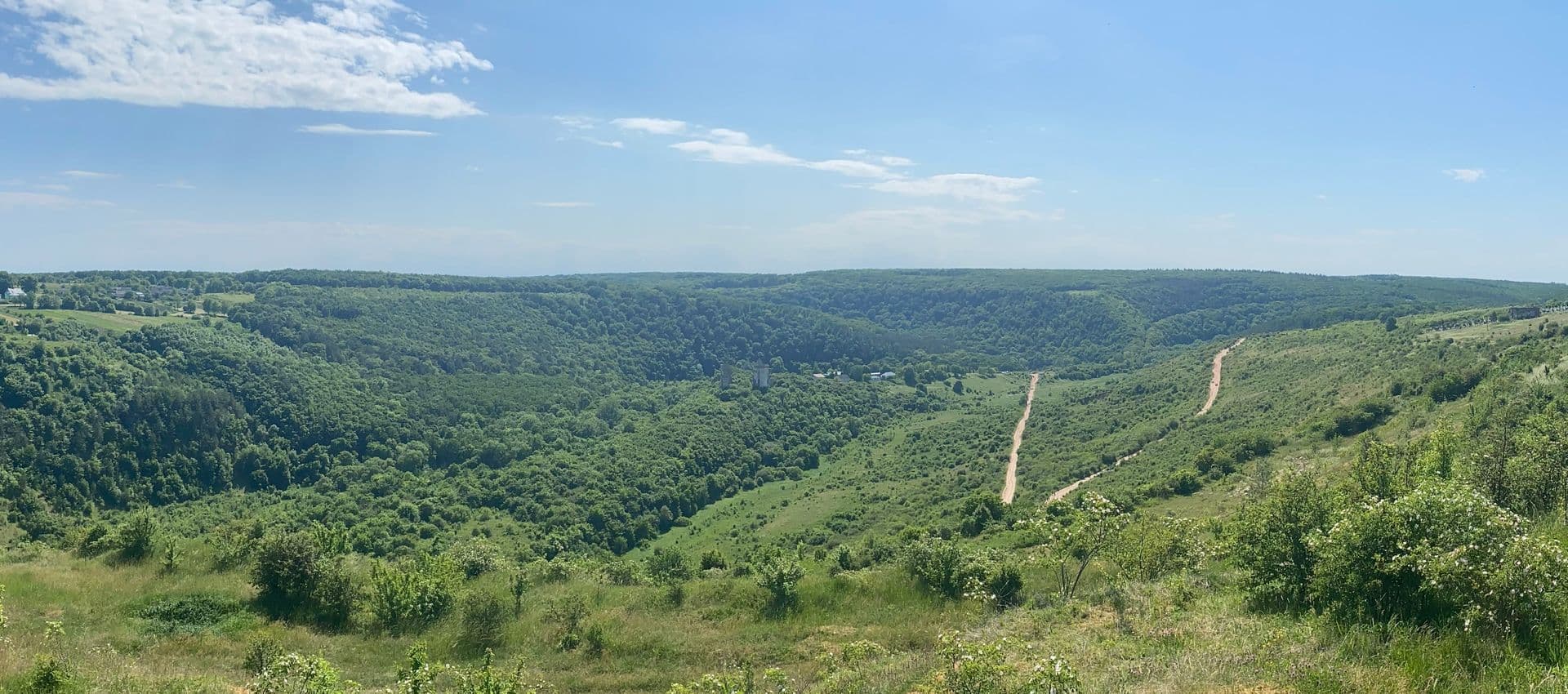
Chervone Tract
Nyrkiv villageModerateChervone Tract is a signature landmark of the Dniester Canyon National Nature Park and the southern part of the Ternopil region. Its blend of ancient history, stunning landscapes, a picturesque waterfall, and unique natural features draws thousands of visitors today. Situated between the villages of Nyrkiv and Nahoriany in the Ternopil region, the tract forms a unique, bowl-shaped widening of the Dzhuryn River canyon. Amidst green slopes, rock formations, and scenic vistas lie the ruins of Chervonohorod Castle—a silent witness to the region’s long history. The town of Chervonohorod once stood near the castle, leaving behind a distinct historical and cultural legacy. A standout natural feature of the tract is the Dzhuryn (Chervonohorod) Waterfall—one of the most famous waterfalls in the Podillia region. The waters of the Dzhuryn River plunge down in two powerful cascades from a height of approximately 16 meters, creating a breathtaking spectacle and filling the surroundings with the sound of rushing water and a refreshing coolness. To ensure a comfortable experience for visitors, a recreational area has been set up within the tract, complete with tables, benches, information signs, a playground, and a swing. It is an ideal spot to relax in nature, spend time with family, and take in the views of the waterfall. Chervonohorod Tract is a place where nature tells its own story, and every visitor can experience the beauty and grandeur of the Dniester Canyon. It invites you to enjoy leisurely strolls, new discoveries, and a harmonious getaway, leaving you with unforgettable impressions of your journey through Podillia.
Car, On foot, Bicycle, BusSpring, Summer, Autumn, Winter, All yearParkingWCInstagram spotPanoramic viewSunrise / SunsetAsphalt, Dirt path, Off-roadSuitable for childrenAccessible for disabled peopleFor visually impairedFor hearing impairedPaid, Free, MixedRomantic, Historical, Adrenaline, Peaceful, FamilyCouples, Families, Companies, Solo travelers, Elderly4GChervone Tract
Nyrkiv villageModerateChervone Tract is a signature landmark of the Dniester Canyon National Nature Park and the southern part of the Ternopil region. Its blend of ancient history, stunning landscapes, a picturesque waterfall, and unique natural features draws thousands of visitors today. Situated between the villages of Nyrkiv and Nahoriany in the Ternopil region, the tract forms a unique, bowl-shaped widening of the Dzhuryn River canyon. Amidst green slopes, rock formations, and scenic vistas lie the ruins of Chervonohorod Castle—a silent witness to the region’s long history. The town of Chervonohorod once stood near the castle, leaving behind a distinct historical and cultural legacy. A standout natural feature of the tract is the Dzhuryn (Chervonohorod) Waterfall—one of the most famous waterfalls in the Podillia region. The waters of the Dzhuryn River plunge down in two powerful cascades from a height of approximately 16 meters, creating a breathtaking spectacle and filling the surroundings with the sound of rushing water and a refreshing coolness. To ensure a comfortable experience for visitors, a recreational area has been set up within the tract, complete with tables, benches, information signs, a playground, and a swing. It is an ideal spot to relax in nature, spend time with family, and take in the views of the waterfall. Chervonohorod Tract is a place where nature tells its own story, and every visitor can experience the beauty and grandeur of the Dniester Canyon. It invites you to enjoy leisurely strolls, new discoveries, and a harmonious getaway, leaving you with unforgettable impressions of your journey through Podillia.
Car, On foot, Bicycle, BusSpring, Summer, Autumn, Winter, All yearParkingWCInstagram spotPanoramic viewSunrise / SunsetAsphalt, Dirt path, Off-roadSuitable for childrenAccessible for disabled peopleFor visually impairedFor hearing impairedPaid, Free, MixedRomantic, Historical, Adrenaline, Peaceful, FamilyCouples, Families, Companies, Solo travelers, Elderly4G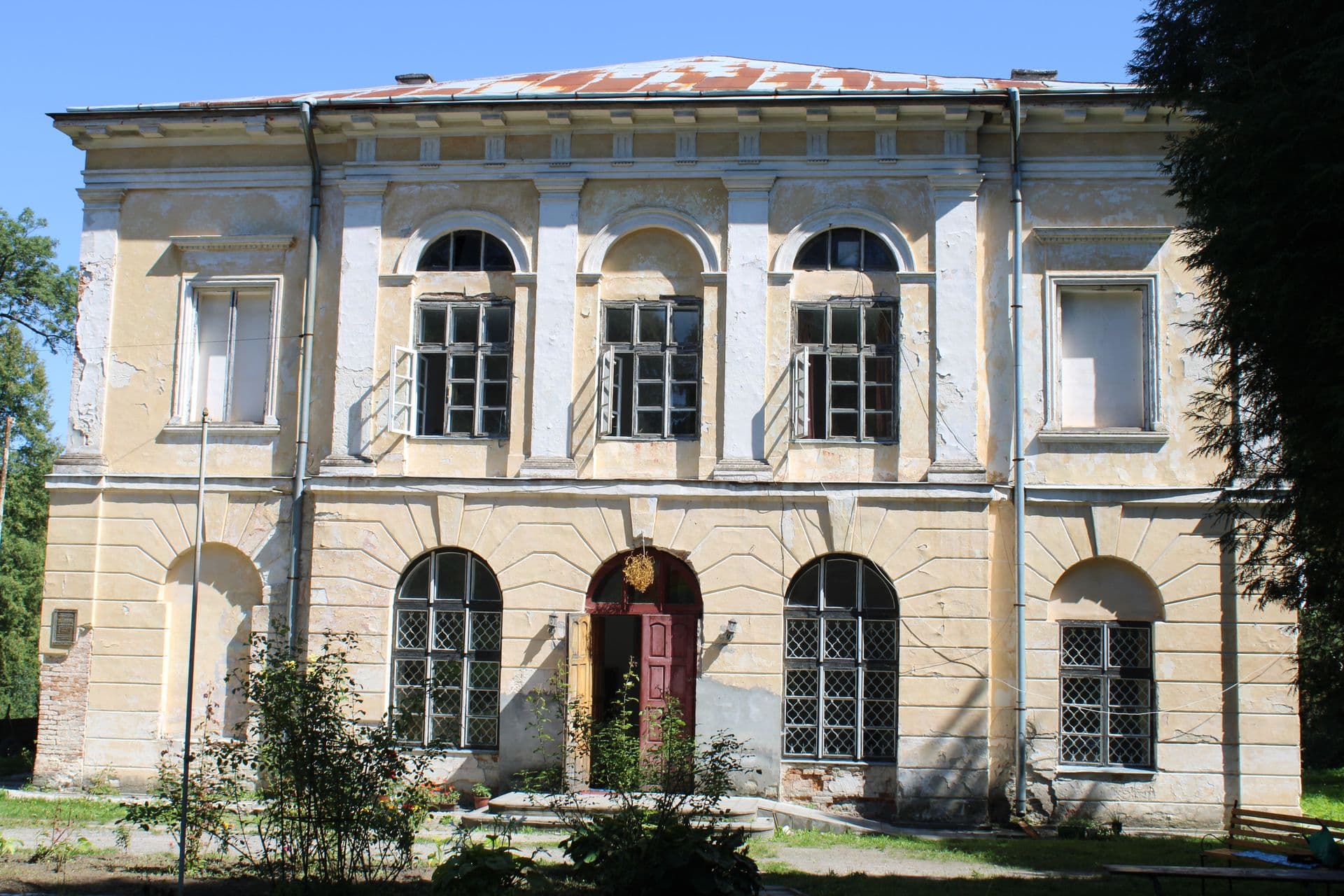
Potocki Hunting Palace
village of Rai, near the town of BerezhanyEasyArchitectural monument of national importance. An important architectural and artistic building located in the village of Rai. In the second half of the 18th century, on the initiative of the owner of the surrounding lands, Isabella Lubomirska, a palace was built, and a park was created on the basis of the forest massif. In 1816, the first owner of the Brzeża lands from the Potocki family, Oleksandr Potocki, ordered the construction of a new park and the construction of a palace, giving it expressive features of late classicism. A local historian of the 1930s, Stanislav Vyshnevsky, stated in his guidebook that during the Potocki era, the palace contained paintings by prominent artists Jan Matejko and Rembrandt van Rijn.
Car, On foot, Bicycle, BusSpring, Summer, Autumn, Winter, All yearCouples, Families, Companies, Solo travelers, ElderlyPotocki Hunting Palace
village of Rai, near the town of BerezhanyEasyArchitectural monument of national importance. An important architectural and artistic building located in the village of Rai. In the second half of the 18th century, on the initiative of the owner of the surrounding lands, Isabella Lubomirska, a palace was built, and a park was created on the basis of the forest massif. In 1816, the first owner of the Brzeża lands from the Potocki family, Oleksandr Potocki, ordered the construction of a new park and the construction of a palace, giving it expressive features of late classicism. A local historian of the 1930s, Stanislav Vyshnevsky, stated in his guidebook that during the Potocki era, the palace contained paintings by prominent artists Jan Matejko and Rembrandt van Rijn.
Car, On foot, Bicycle, BusSpring, Summer, Autumn, Winter, All yearCouples, Families, Companies, Solo travelers, Elderly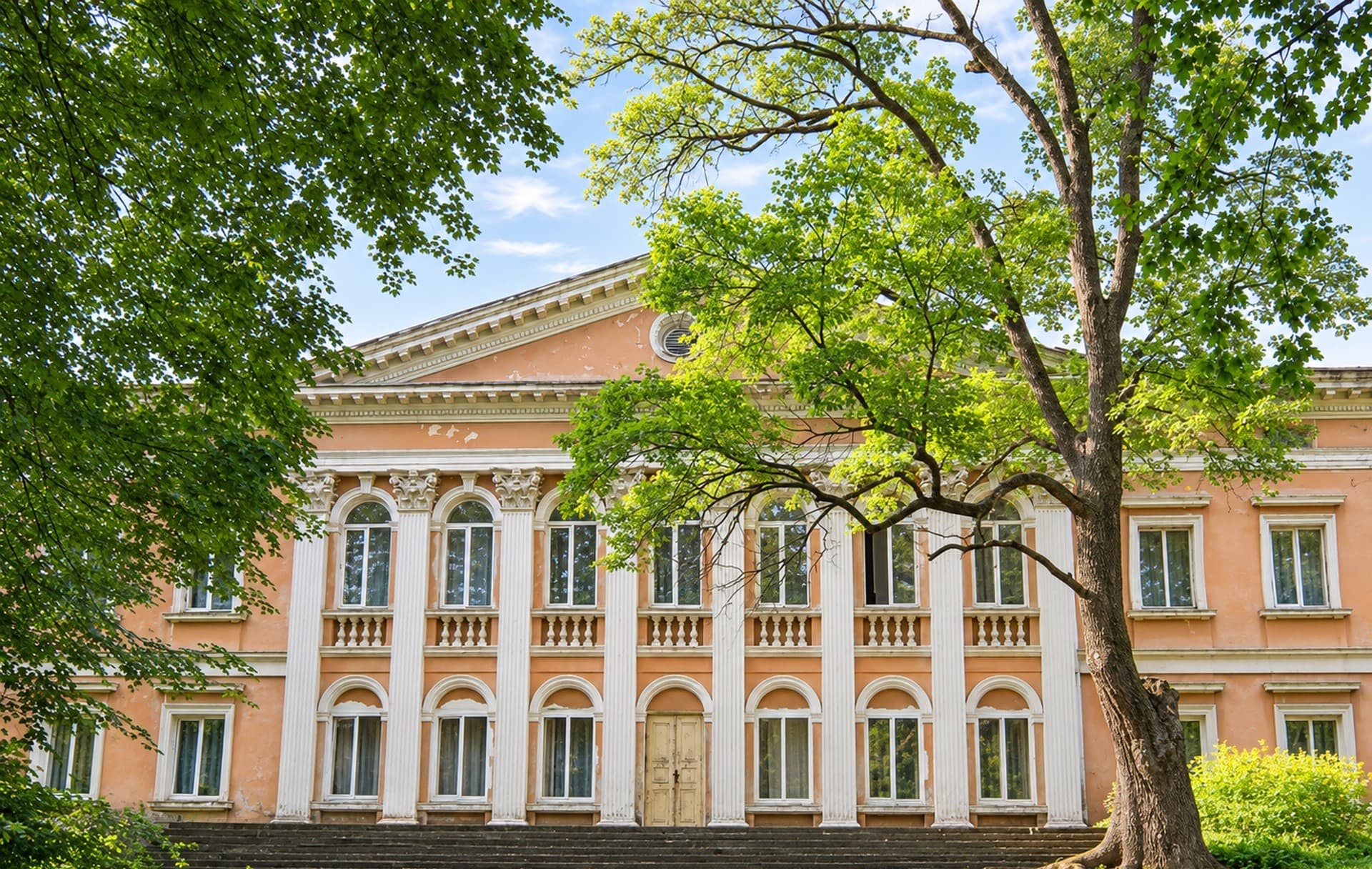
Rey Counts’ Palace in Mykulyntsi
2 Halytska Street, Mykulyntsi, Ternopil Raion, Ternopil Oblast, UkraineEasyThe Rey Counts’ Palace, also known as the Potocki Palace, is one of Mykulyntsi’s most distinctive historic buildings. Set within an old park near the castle, it preserves the character of a former aristocratic residence. The ensemble consists of a main building, side wings and connecting galleries arranged in a horseshoe around a spacious forecourt. Four figures of atlantes on the central façade are among its most striking features. Today, the palace combines its historic legacy with a medical purpose: it houses the Mykulyntsi Regional Physiotherapy Rehabilitation Hospital. A visit to the landmark can be combined with exploring the nearby castle and Holy Trinity Church.
Mykulyntsi Castle
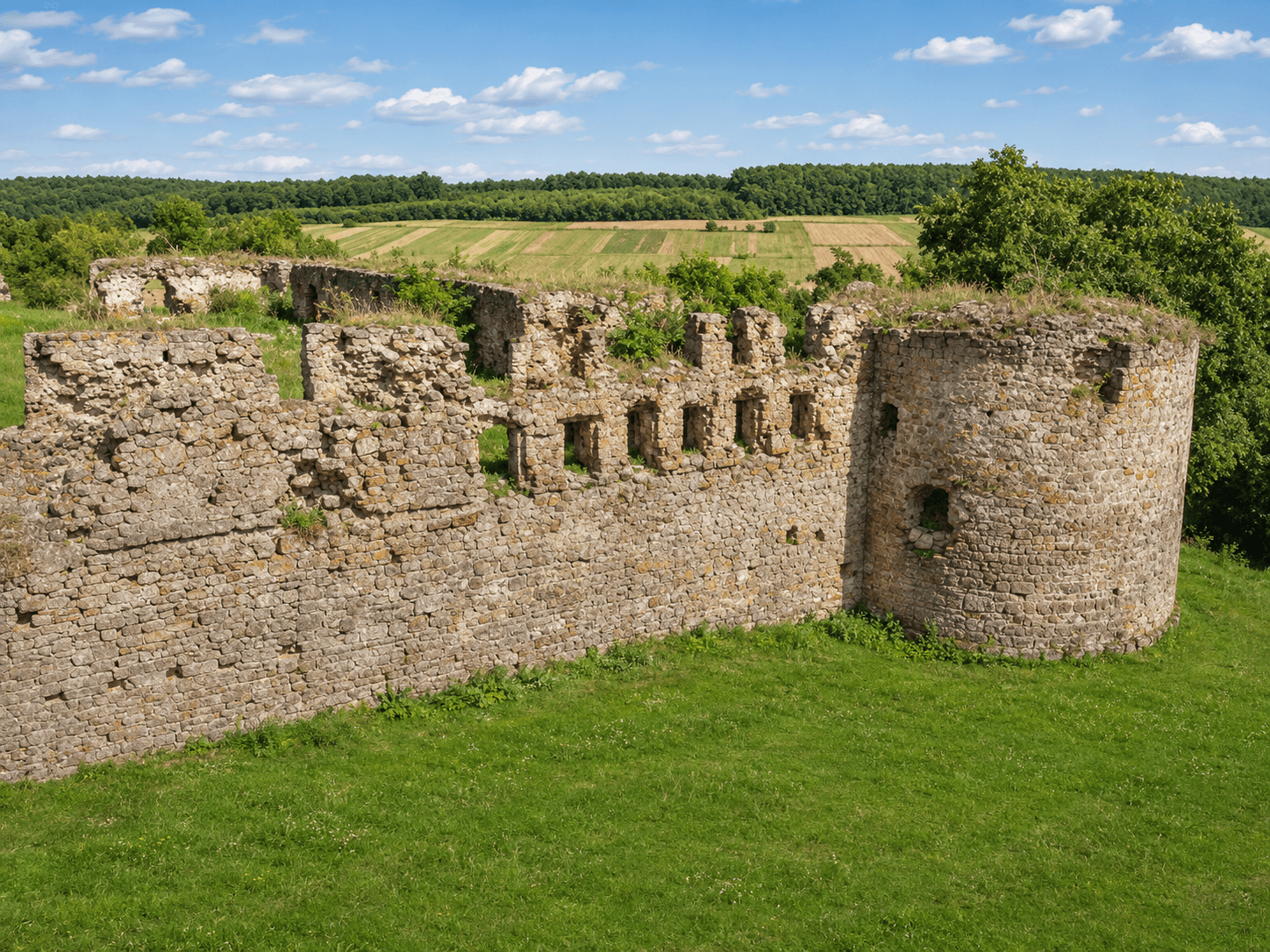
2-F Halytska Street, Mykulyntsi, Ternopil Raion, Ternopil Oblast, UkraineEasyMykulyntsi Castle stands on a hill above the Seret River, preserving the memory of the town’s defensive past. Its stone walls and round towers form a distinctive part of Mykulyntsi’s historic landscape. The fortress was built around an enclosed quadrangular courtyard. Its surviving remains include sections of defensive walls, two corner towers, entrance arches and parts of the adjoining buildings. Loopholes in the masonry recall the structure’s original military purpose. The castle will appeal to visitors interested in history, fortifications and historic ruins. Exploring its exterior can be combined with a visit to the nearby Rey Counts’ Palace, the old park and Holy Trinity Church.
Lanckoroński–Gołuchowski Palace in Strusiv
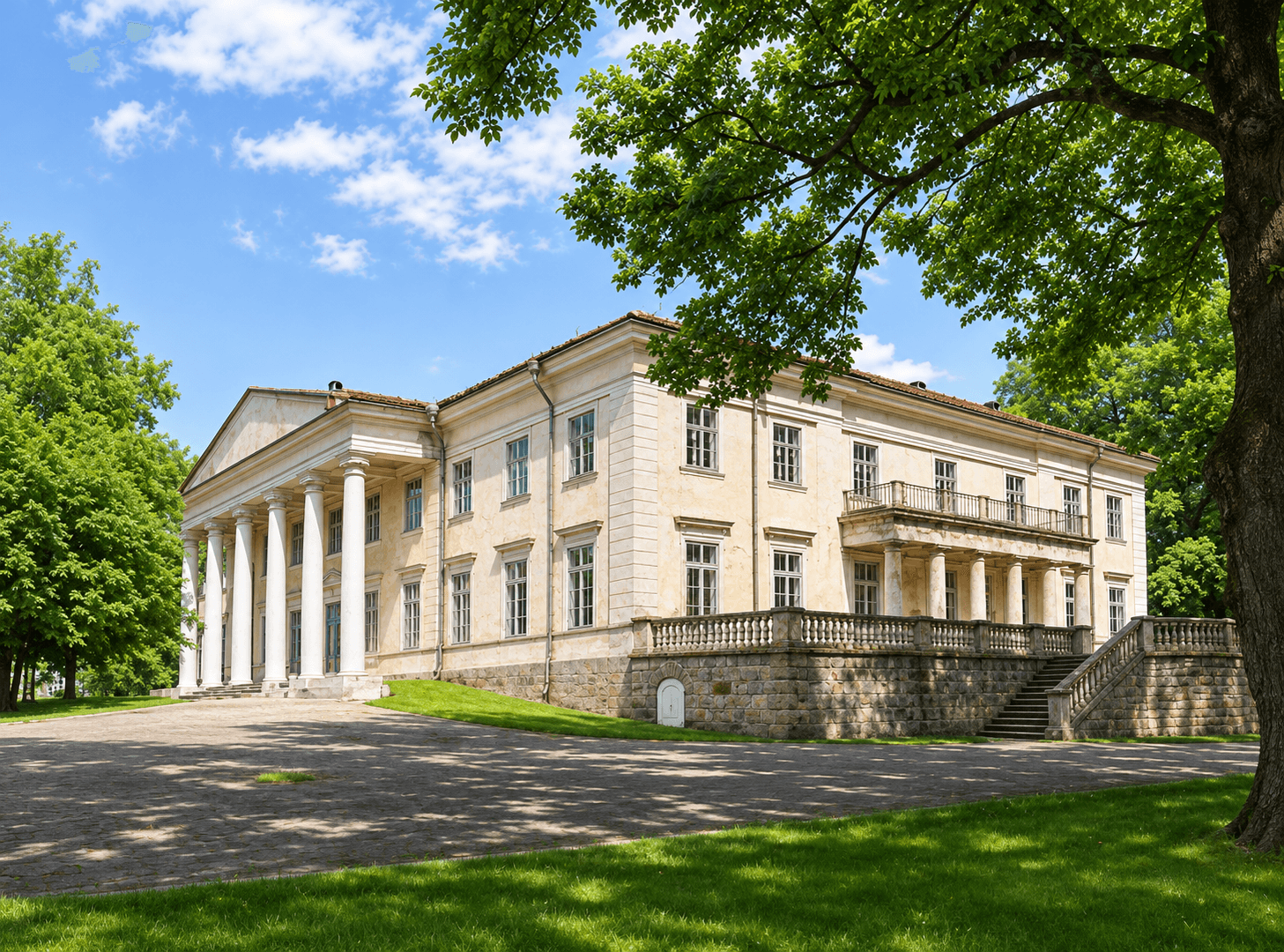
32 Myru Street, Strusiv, Mykulyntsi Community, Ternopil Raion, Ternopil Oblast, UkraineEasyStrusiv Palace is an architectural landmark in the village of Strusiv, within the Mykulyntsi community in Ternopil Oblast, Ukraine. This former aristocratic residence is distinguished by its balanced proportions, striking colonnades and picturesque setting near the Seret River. The two-storey Neoclassical building has two contrasting façades. The main façade features a six-column portico crowned with a triangular pediment. The park-facing façade overlooks a terrace with a stone balustrade and monumental stairs connecting the palace with the surrounding landscape. The estate’s history is associated with the Rzewuski, Lanckoroński, Baworowski and Gołuchowski families. The palace’s exact construction date remains a subject of research. Alongside the commonly cited late eighteenth-century date, an alternative interpretation places its construction in 1812–1818. This interpretation draws in part on letters sent from Strusiv by Ludwika Rzewuska-Lanckorońska to her son Karol. The suggested involvement of architect Francesco Boffo also requires documentary confirmation. The palace retains the distinctive character of a historic country residence and offers an opportunity to discover Strusiv’s architectural heritage.
Instagram spotParkingSummer, AutumnCar, On foot, BusAsphaltCouples, Families, Companies, Solo travelers, Elderly4GLanckoroński–Gołuchowski Palace in Strusiv
32 Myru Street, Strusiv, Mykulyntsi Community, Ternopil Raion, Ternopil Oblast, UkraineEasyStrusiv Palace is an architectural landmark in the village of Strusiv, within the Mykulyntsi community in Ternopil Oblast, Ukraine. This former aristocratic residence is distinguished by its balanced proportions, striking colonnades and picturesque setting near the Seret River. The two-storey Neoclassical building has two contrasting façades. The main façade features a six-column portico crowned with a triangular pediment. The park-facing façade overlooks a terrace with a stone balustrade and monumental stairs connecting the palace with the surrounding landscape. The estate’s history is associated with the Rzewuski, Lanckoroński, Baworowski and Gołuchowski families. The palace’s exact construction date remains a subject of research. Alongside the commonly cited late eighteenth-century date, an alternative interpretation places its construction in 1812–1818. This interpretation draws in part on letters sent from Strusiv by Ludwika Rzewuska-Lanckorońska to her son Karol. The suggested involvement of architect Francesco Boffo also requires documentary confirmation. The palace retains the distinctive character of a historic country residence and offers an opportunity to discover Strusiv’s architectural heritage.
Instagram spotParkingSummer, AutumnCar, On foot, BusAsphaltCouples, Families, Companies, Solo travelers, Elderly4G