Architectural Objects
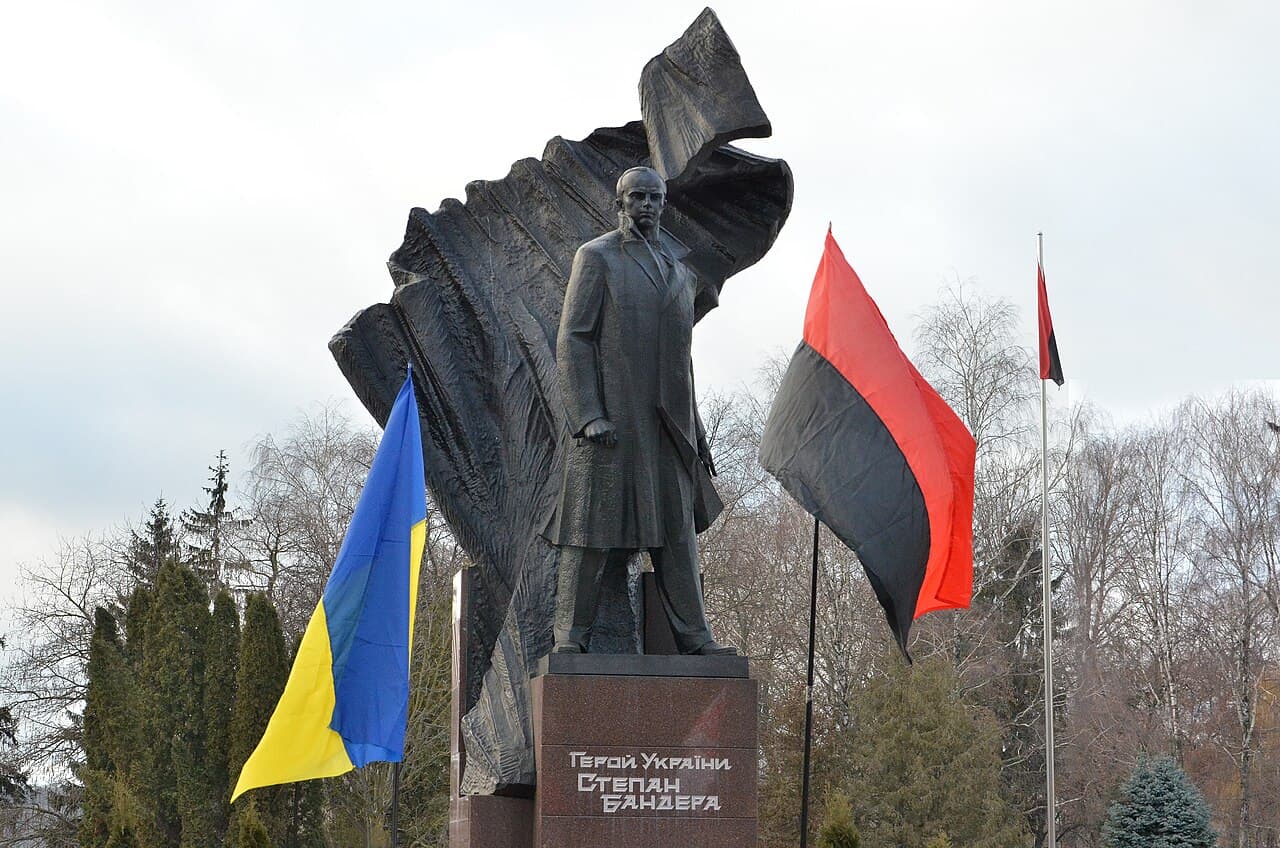
Stepan Bandera Monument (Ternopil)
Ternopil, Taras Shevchenko ParkEasyThe Stepan Bandera Monument in Ternopil is a monument located in the city of Ternopil. It is situated in Taras Shevchenko Park, in front of the Regional State Administration building on Solomiya Krushelnytska Street. Erected in 2008, it was officially unveiled on December 26 to commemorate the 100th anniversary of Stepan Bandera's birth (born January 1).
Instagram spotSpring, Summer, Autumn, Winter, All yearOn foot, BicycleSuitable for childrenAccessible for disabled peopleFor hearing impairedFreeHistorical, Peaceful4G, Wi-FiStepan Bandera Monument (Ternopil)
Ternopil, Taras Shevchenko ParkEasyThe Stepan Bandera Monument in Ternopil is a monument located in the city of Ternopil. It is situated in Taras Shevchenko Park, in front of the Regional State Administration building on Solomiya Krushelnytska Street. Erected in 2008, it was officially unveiled on December 26 to commemorate the 100th anniversary of Stepan Bandera's birth (born January 1).
Instagram spotSpring, Summer, Autumn, Winter, All yearOn foot, BicycleSuitable for childrenAccessible for disabled peopleFor hearing impairedFreeHistorical, Peaceful4G, Wi-Fi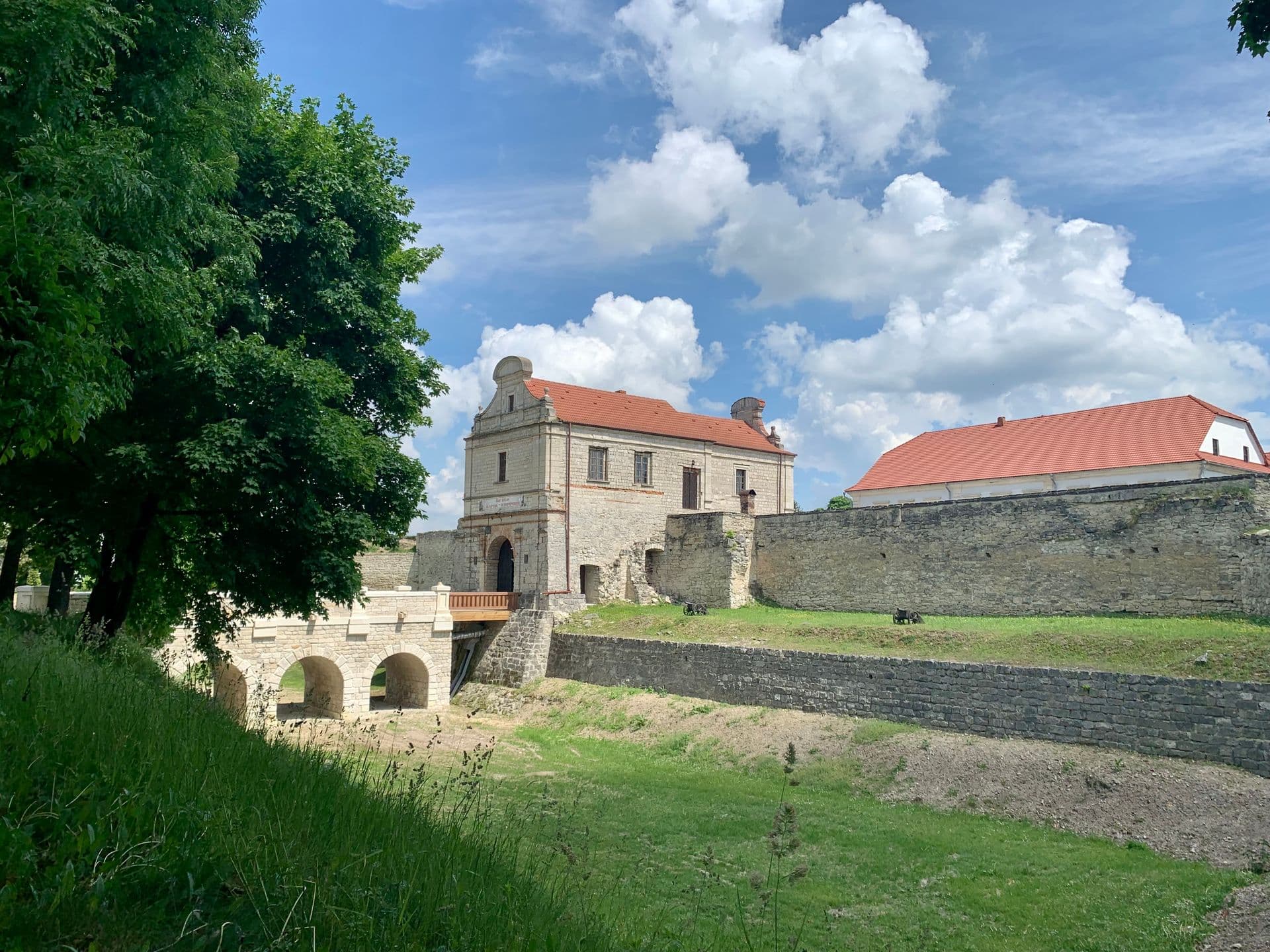
Zbarazh Castle
28 B. Khmelnytskoho St., Zbarazh, Ternopil Oblast, UkraineEasyZbarazh Castle is one of the most prominent historical and cultural monuments of the Ternopil region. It was built in 1626–1631 through the efforts of Princes Yurii and Khrystofor Zbarazkyi. The fortified palace residence was based on a design by the famous Italian architect Vincenzo Scamozzi. The fortress incorporated the latest advances in fortification art, consisting of a palace, casemates, four bastions, a gate tower, and a deep moat. Later, the subsequent owners, the Vishnevetsky princes, expanded the fortifications with a bastion layout. In 1649, during a seven-week siege by Cossack and Tatar forces, the Cossack colonel Nestor Morozenko died beneath its walls. Throughout the 17th and 18th centuries, the fortress was repeatedly damaged by Turkish, Tatar, and Russian troops, but it was rebuilt each time. In the 19th century, the building lost its defensive purpose, and during the Polish-Soviet period as well as both World Wars, it suffered new damage followed by partial restorations. Large-scale reconstruction of the complex began in 1965. In 1994, a state reserve was established based on the local historical landmarks, which later earned the status of the 'Castles of Ternopil Region' National Reserve. Today, numerous halls in the palace and casemates have been restored, housing over 20 exhibition spaces. The castle serves as a vibrant hub for regional cultural and artistic events, forums, and theatrical tours.
On footAll yearParkingWCCafe nearbyInstagram spotAsphaltSuitable for childrenPaidRomantic, Historical, Peaceful, FamilyCouples, Families, Companies, Solo travelers, Elderly4GZbarazh Castle
28 B. Khmelnytskoho St., Zbarazh, Ternopil Oblast, UkraineEasyZbarazh Castle is one of the most prominent historical and cultural monuments of the Ternopil region. It was built in 1626–1631 through the efforts of Princes Yurii and Khrystofor Zbarazkyi. The fortified palace residence was based on a design by the famous Italian architect Vincenzo Scamozzi. The fortress incorporated the latest advances in fortification art, consisting of a palace, casemates, four bastions, a gate tower, and a deep moat. Later, the subsequent owners, the Vishnevetsky princes, expanded the fortifications with a bastion layout. In 1649, during a seven-week siege by Cossack and Tatar forces, the Cossack colonel Nestor Morozenko died beneath its walls. Throughout the 17th and 18th centuries, the fortress was repeatedly damaged by Turkish, Tatar, and Russian troops, but it was rebuilt each time. In the 19th century, the building lost its defensive purpose, and during the Polish-Soviet period as well as both World Wars, it suffered new damage followed by partial restorations. Large-scale reconstruction of the complex began in 1965. In 1994, a state reserve was established based on the local historical landmarks, which later earned the status of the 'Castles of Ternopil Region' National Reserve. Today, numerous halls in the palace and casemates have been restored, housing over 20 exhibition spaces. The castle serves as a vibrant hub for regional cultural and artistic events, forums, and theatrical tours.
On footAll yearParkingWCCafe nearbyInstagram spotAsphaltSuitable for childrenPaidRomantic, Historical, Peaceful, FamilyCouples, Families, Companies, Solo travelers, Elderly4G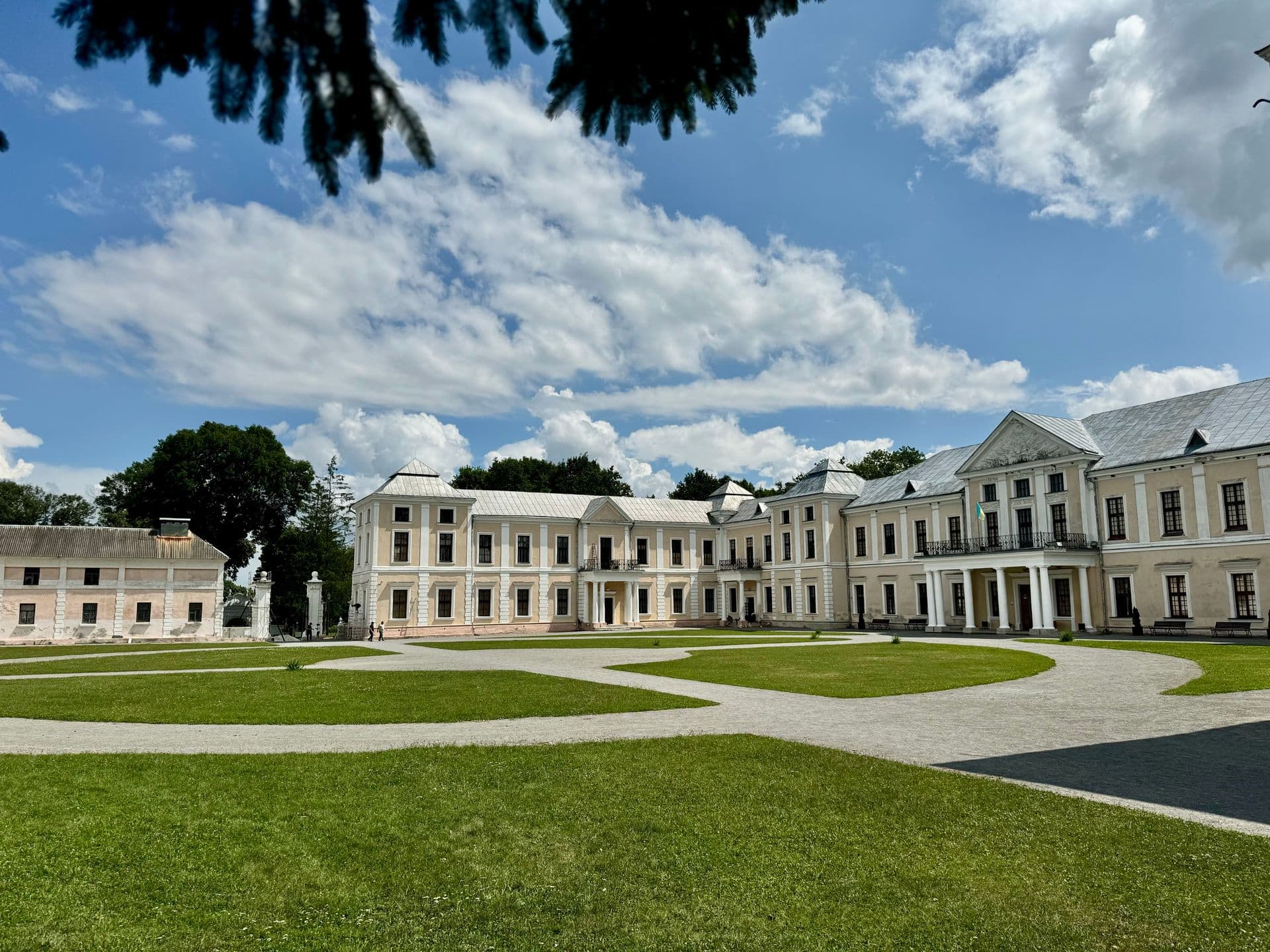
Vyshnivets Palace
5 Zamkova St., Vyshnivets urban-type settlement, Ternopil Oblast, UkraineEasyIn 1494, Prince Mykhailo Vyshnevetsky built a castle in Vyshnivets, which for several centuries served as the ancestral nest of the Vyshnevetsky princes. At the beginning of the 18th century, the last of the Vyshnevetsky princes, Myhal Servatsiy, rebuilt the castle into a magnificent palace, the interiors of which amazed contemporaries with their luxury. The Vyshnivets Palace housed a collection of paintings, weapons, sculptures, antique furniture, Dutch tiles, tableware, a library, and a theater hall. The palace was surrounded by a large park. Honoré de Balzac, who visited Vyshnivets in 1848, called the palace the "Volhynian Versailles." Frequent changes of ownership in the 19th century did not contribute to the preservation of the palace. The building suffered particularly heavy damage during World War I and World War II. In the 1960s, the landmark was repaired and adapted for cultural and educational purposes. Since 1999, the Vyshnivets Palace and Park Complex has been part of the State Historical and Architectural Reserve in Zbarazh (since 2005, the "Castles of Ternopil Region" National Reserve). In 2018, the Mirror Hall—the main ceremonial hall of the palace—was restored.
Car, On foot, Bicycle, BusSpring, Summer, Autumn, Winter, All yearParkingWCInstagram spotPanoramic viewSunrise / SunsetAsphaltSuitable for childrenPaid, MixedRomantic, Historical, Peaceful, FamilyCouples, Families, Companies, Solo travelers, Elderly4G, Wi-FiVyshnivets Palace
5 Zamkova St., Vyshnivets urban-type settlement, Ternopil Oblast, UkraineEasyIn 1494, Prince Mykhailo Vyshnevetsky built a castle in Vyshnivets, which for several centuries served as the ancestral nest of the Vyshnevetsky princes. At the beginning of the 18th century, the last of the Vyshnevetsky princes, Myhal Servatsiy, rebuilt the castle into a magnificent palace, the interiors of which amazed contemporaries with their luxury. The Vyshnivets Palace housed a collection of paintings, weapons, sculptures, antique furniture, Dutch tiles, tableware, a library, and a theater hall. The palace was surrounded by a large park. Honoré de Balzac, who visited Vyshnivets in 1848, called the palace the "Volhynian Versailles." Frequent changes of ownership in the 19th century did not contribute to the preservation of the palace. The building suffered particularly heavy damage during World War I and World War II. In the 1960s, the landmark was repaired and adapted for cultural and educational purposes. Since 1999, the Vyshnivets Palace and Park Complex has been part of the State Historical and Architectural Reserve in Zbarazh (since 2005, the "Castles of Ternopil Region" National Reserve). In 2018, the Mirror Hall—the main ceremonial hall of the palace—was restored.
Car, On foot, Bicycle, BusSpring, Summer, Autumn, Winter, All yearParkingWCInstagram spotPanoramic viewSunrise / SunsetAsphaltSuitable for childrenPaid, MixedRomantic, Historical, Peaceful, FamilyCouples, Families, Companies, Solo travelers, Elderly4G, Wi-Fi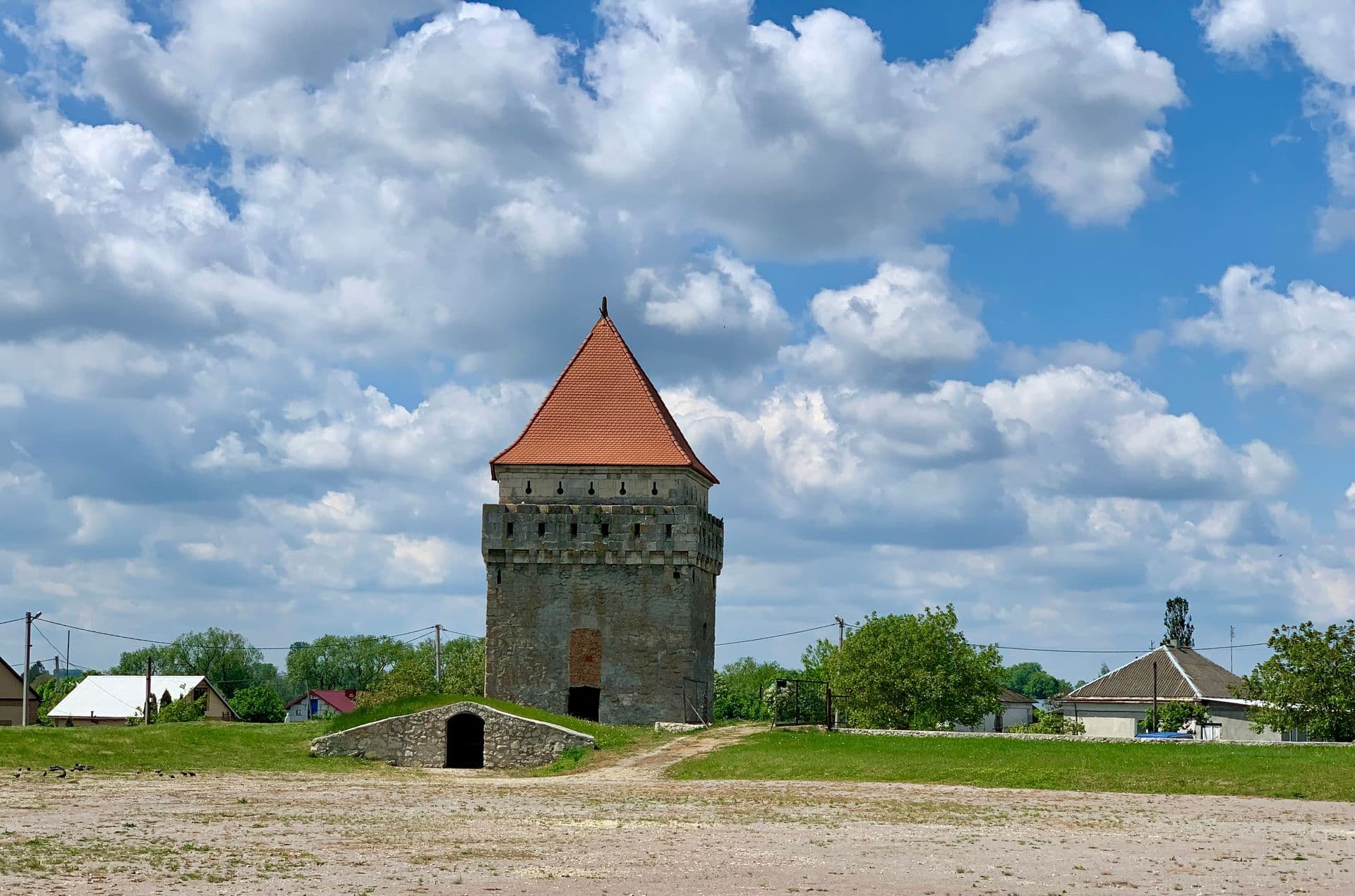
Skalat Castle
3 Ternopilska St., Skalat, Ternopil Oblast, UkraineEasyThe Skalat Castle has been known since the first half of the 17th century. It was founded in 1630 by Krzysztof Wichrowski. In the second half of the 17th century, the castle passed into the ownership of the Firlej family, who did a great deal to strengthen and reconstruct the structure. In plan, the castle is close to a square, with four pentagonal towers located at the corners. They featured four tiers of embrasures. The castle was surrounded by a deep moat. The longest northern wall was 92 meters long, the southern and western walls were 72 meters each, and the eastern wall was almost 63 meters. Inside the fortress, a palace adjoined the eastern wall. In 1651, the castle was captured by the troops of Bohdan Khmelnytsky. It suffered significant damage during the Turkish and Tatar raids in the last quarter of the 17th century. In the 18th century, the castle was transformed into a residential residence: the old palace was rebuilt, a small park was laid out in front of the facade, and an entrance gate with wide arched doorways and two side wickets was erected. During World War I, the structure suffered substantial destruction. In 2004, the castle in the town of Skalat became part of the State Historical and Architectural Reserve (since 2005, the "Castles of Ternopil Region" National Reserve). In 2013, the Reserve carried out the restoration and reconstruction of the four castle towers.
Car, On foot, Bicycle, BusSpring, Summer, Autumn, Winter, All yearParkingWCCafe nearbyInstagram spotAsphaltAccessible for disabled peoplePaid, MixedRomantic, Historical, Peaceful, FamilyCouples, Families, Companies, Solo travelers, Elderly4GSkalat Castle
3 Ternopilska St., Skalat, Ternopil Oblast, UkraineEasyThe Skalat Castle has been known since the first half of the 17th century. It was founded in 1630 by Krzysztof Wichrowski. In the second half of the 17th century, the castle passed into the ownership of the Firlej family, who did a great deal to strengthen and reconstruct the structure. In plan, the castle is close to a square, with four pentagonal towers located at the corners. They featured four tiers of embrasures. The castle was surrounded by a deep moat. The longest northern wall was 92 meters long, the southern and western walls were 72 meters each, and the eastern wall was almost 63 meters. Inside the fortress, a palace adjoined the eastern wall. In 1651, the castle was captured by the troops of Bohdan Khmelnytsky. It suffered significant damage during the Turkish and Tatar raids in the last quarter of the 17th century. In the 18th century, the castle was transformed into a residential residence: the old palace was rebuilt, a small park was laid out in front of the facade, and an entrance gate with wide arched doorways and two side wickets was erected. During World War I, the structure suffered substantial destruction. In 2004, the castle in the town of Skalat became part of the State Historical and Architectural Reserve (since 2005, the "Castles of Ternopil Region" National Reserve). In 2013, the Reserve carried out the restoration and reconstruction of the four castle towers.
Car, On foot, Bicycle, BusSpring, Summer, Autumn, Winter, All yearParkingWCCafe nearbyInstagram spotAsphaltAccessible for disabled peoplePaid, MixedRomantic, Historical, Peaceful, FamilyCouples, Families, Companies, Solo travelers, Elderly4G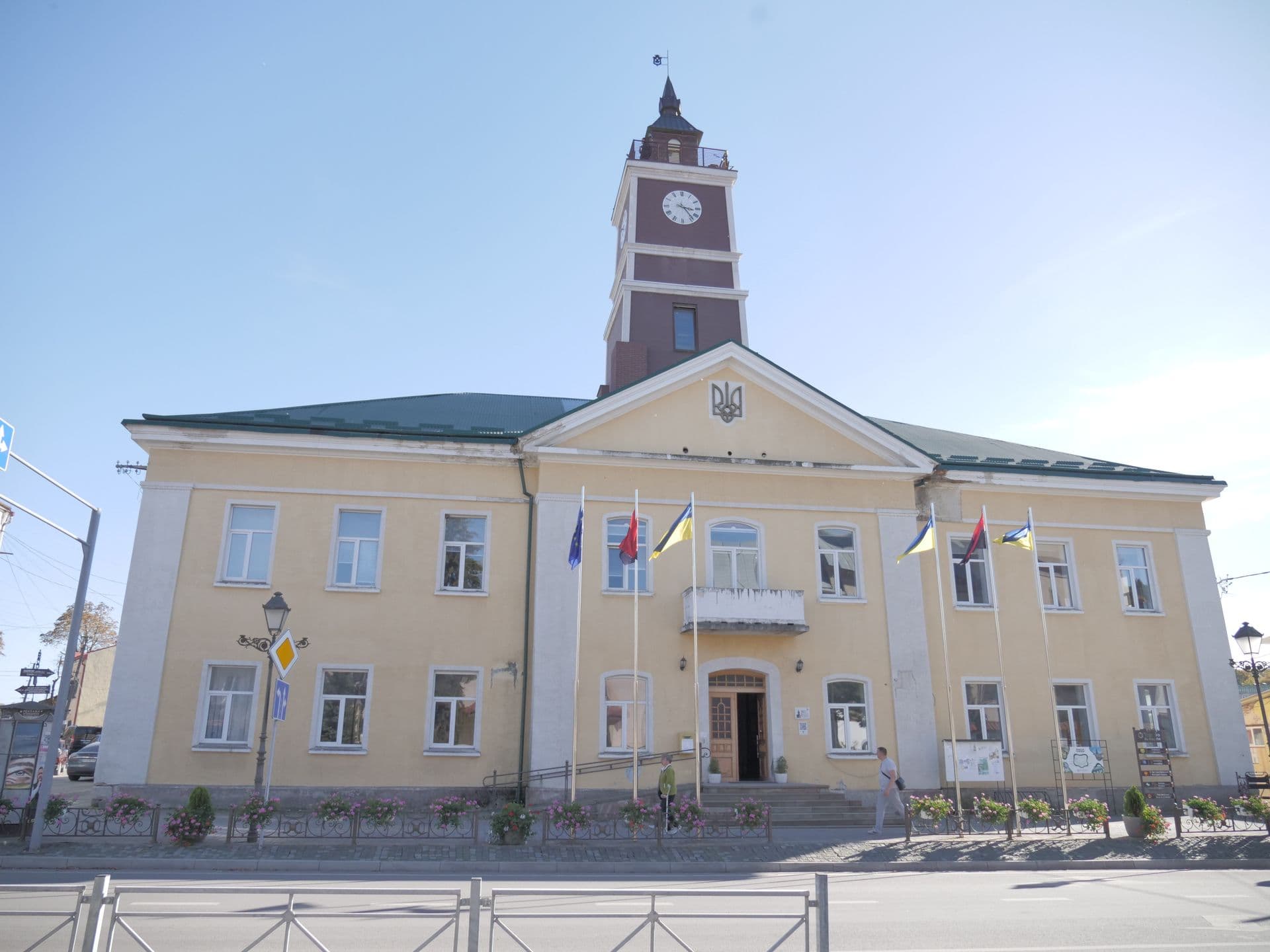
Terebovlia Town Hall
8 Taras Shevchenko Street, Terebovlia, Ternopil Oblast, 48100ModerateThe history of Terebovlia Town Hall dates back to the late 18th and early 19th centuries. Documentary sources give different dates for its construction, particularly as the building was reconstructed several times, with changes to its interior layout and architectural form. A weather vane shaped like the coat of arms of Terebovlia is mounted at the top of the tower, while a cannonball discovered at the fortress is displayed on the façade. The walls of the magistrate’s hall once featured historic documents and artefacts: two royal charters granting privileges to the town in 1660, an old map of Terebovlia, and market privileges granted by Austrian Emperor Joseph II. At that time, the municipal government building was crowned with a wooden tower in the Neo-Gothic style, adorned with clocks set into all four sides. It is known that during the First World War, the tower and the second floor of the magistrate’s building were destroyed. The town hall was subsequently rebuilt in the Classical style. An observation deck was created on the third level of the tower. The history of local self-government in Terebovlia dates back to 1389, when the town was granted Magdeburg rights.
Car, On foot, Bicycle, BusSpring, Summer, Autumn, Winter, All yearParkingWCInstagram spotPanoramic viewAsphaltSuitable for childrenPaid, MixedRomantic, Historical, Adrenaline, Peaceful, FamilyCouples, Families, Companies, Solo travelers, Elderly4GTerebovlia Town Hall
8 Taras Shevchenko Street, Terebovlia, Ternopil Oblast, 48100ModerateThe history of Terebovlia Town Hall dates back to the late 18th and early 19th centuries. Documentary sources give different dates for its construction, particularly as the building was reconstructed several times, with changes to its interior layout and architectural form. A weather vane shaped like the coat of arms of Terebovlia is mounted at the top of the tower, while a cannonball discovered at the fortress is displayed on the façade. The walls of the magistrate’s hall once featured historic documents and artefacts: two royal charters granting privileges to the town in 1660, an old map of Terebovlia, and market privileges granted by Austrian Emperor Joseph II. At that time, the municipal government building was crowned with a wooden tower in the Neo-Gothic style, adorned with clocks set into all four sides. It is known that during the First World War, the tower and the second floor of the magistrate’s building were destroyed. The town hall was subsequently rebuilt in the Classical style. An observation deck was created on the third level of the tower. The history of local self-government in Terebovlia dates back to 1389, when the town was granted Magdeburg rights.
Car, On foot, Bicycle, BusSpring, Summer, Autumn, Winter, All yearParkingWCInstagram spotPanoramic viewAsphaltSuitable for childrenPaid, MixedRomantic, Historical, Adrenaline, Peaceful, FamilyCouples, Families, Companies, Solo travelers, Elderly4G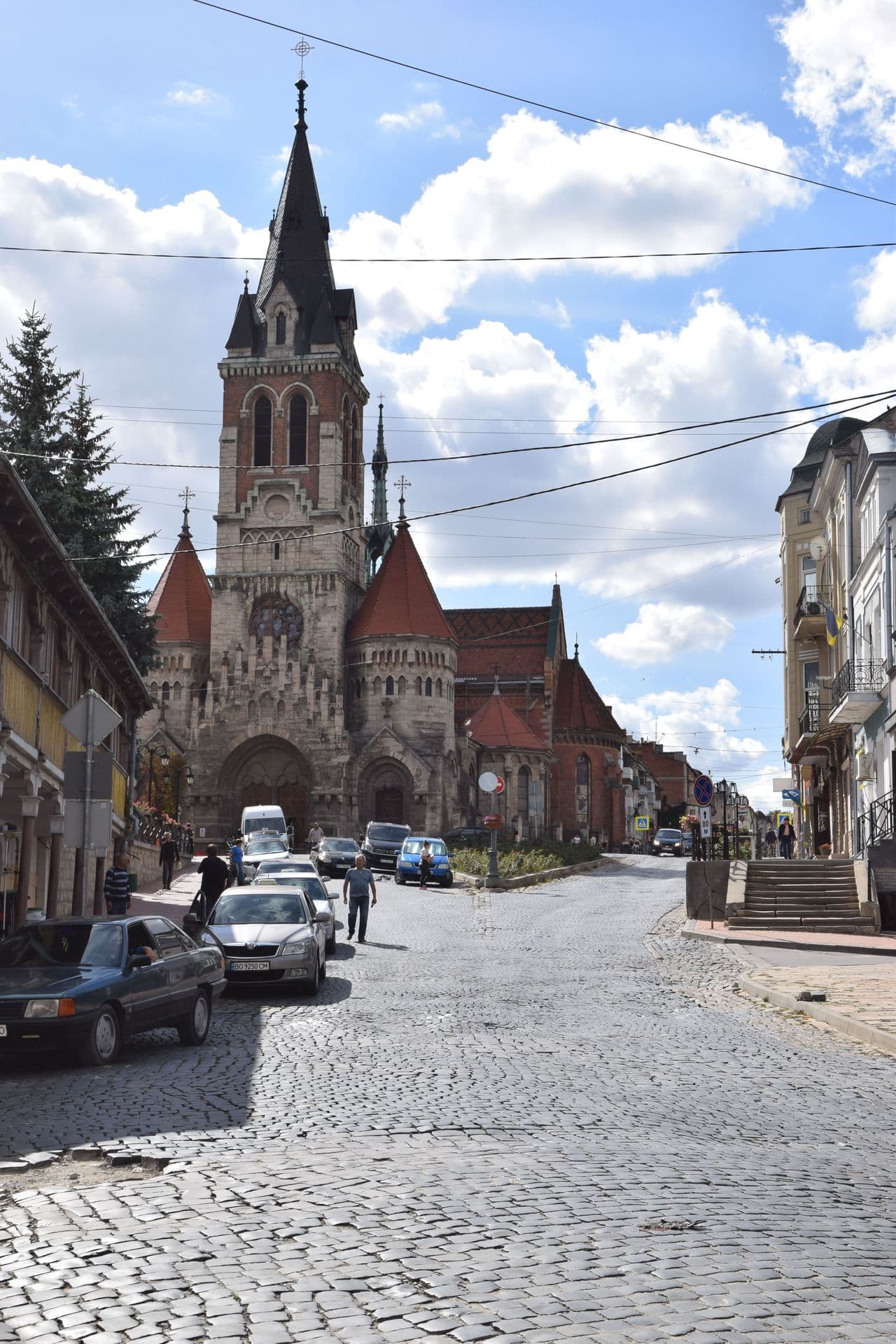
Dominican Church of St. Stanislaus
ChortkivEasyThe Dominican Church of St. Stanislaus (Church of Our Lady of the Holy Rosary and St. Stanislaus) is a magnificent Roman Catholic church and one of the foremost architectural gems of the city of Chortkiv in the Ternopil region.
Car, On foot, Bicycle, BusSpring, Summer, Autumn, Winter, All yearParkingWCCafe nearbyInstagram spotAsphaltSuitable for childrenFreeHistorical, PeacefulCouples, Families, Companies, Solo travelers, Elderly4GDominican Church of St. Stanislaus
ChortkivEasyThe Dominican Church of St. Stanislaus (Church of Our Lady of the Holy Rosary and St. Stanislaus) is a magnificent Roman Catholic church and one of the foremost architectural gems of the city of Chortkiv in the Ternopil region.
Car, On foot, Bicycle, BusSpring, Summer, Autumn, Winter, All yearParkingWCCafe nearbyInstagram spotAsphaltSuitable for childrenFreeHistorical, PeacefulCouples, Families, Companies, Solo travelers, Elderly4G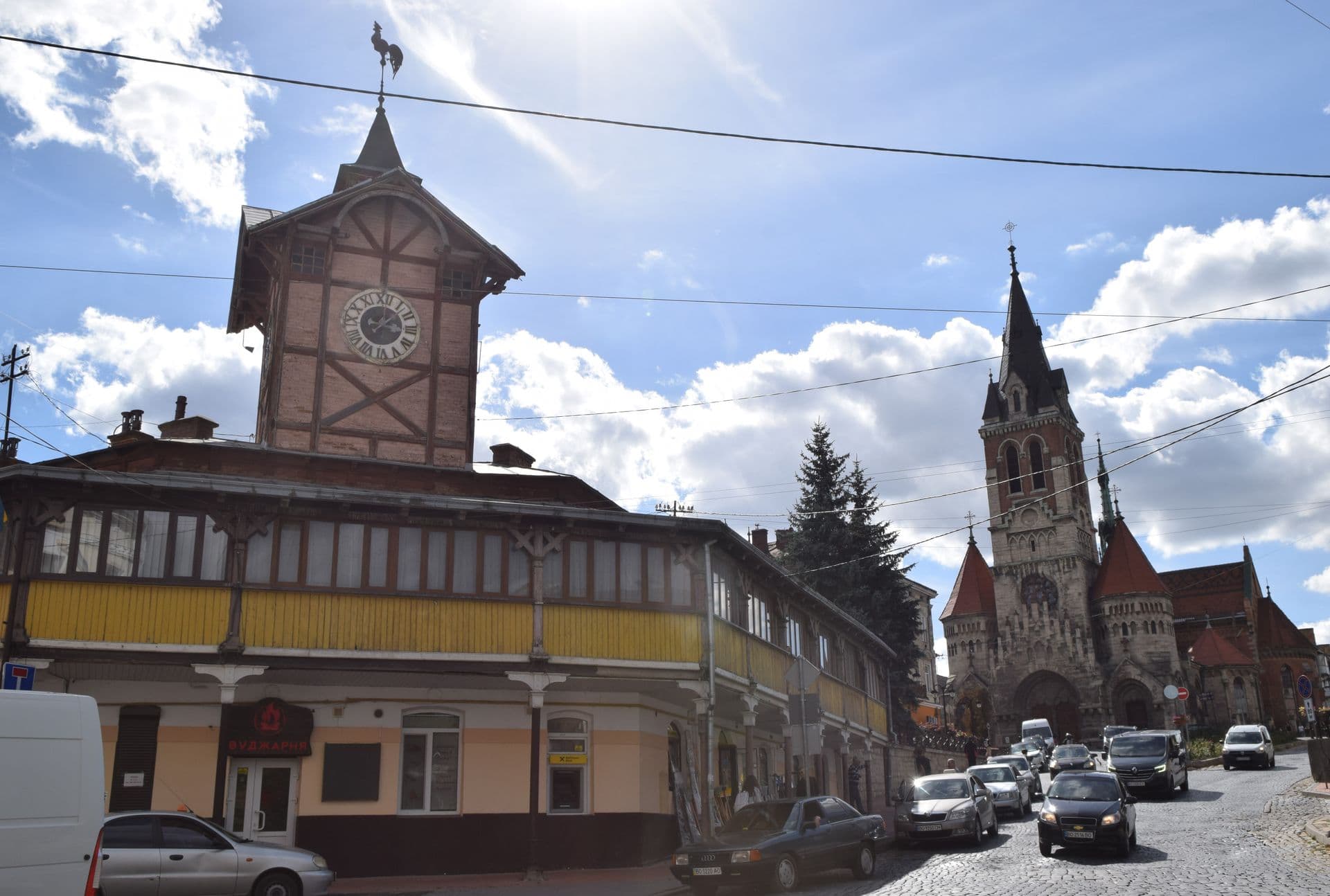
Clock Tower
Chortkiv, 18 Rynok Square.EasyThe Clock Tower is a unique architectural landmark of local significance and a true symbol of the city. A key feature of the structure is its half-timbered style (a timber-frame construction)—a rarity in Western Ukraine. It was built between 1905 and 1908 on Rynok Square. Adjoining the tower are authentic two-story trading rows dating from the 19th and 20th centuries, featuring a cozy wooden colonnade and a balcony. The tip of the tower's spire is adorned with a famous rooster-shaped weather vane. The tower houses a unique four-faced mechanical clock made by the German firm Johann Mannhardt.
Car, On foot, Bicycle, BusAll yearParkingCafe nearbyInstagram spotAsphaltSuitable for childrenFreeRomantic, HistoricalCouples, Families, Companies, Solo travelers, Elderly4GClock Tower
Chortkiv, 18 Rynok Square.EasyThe Clock Tower is a unique architectural landmark of local significance and a true symbol of the city. A key feature of the structure is its half-timbered style (a timber-frame construction)—a rarity in Western Ukraine. It was built between 1905 and 1908 on Rynok Square. Adjoining the tower are authentic two-story trading rows dating from the 19th and 20th centuries, featuring a cozy wooden colonnade and a balcony. The tip of the tower's spire is adorned with a famous rooster-shaped weather vane. The tower houses a unique four-faced mechanical clock made by the German firm Johann Mannhardt.
Car, On foot, Bicycle, BusAll yearParkingCafe nearbyInstagram spotAsphaltSuitable for childrenFreeRomantic, HistoricalCouples, Families, Companies, Solo travelers, Elderly4G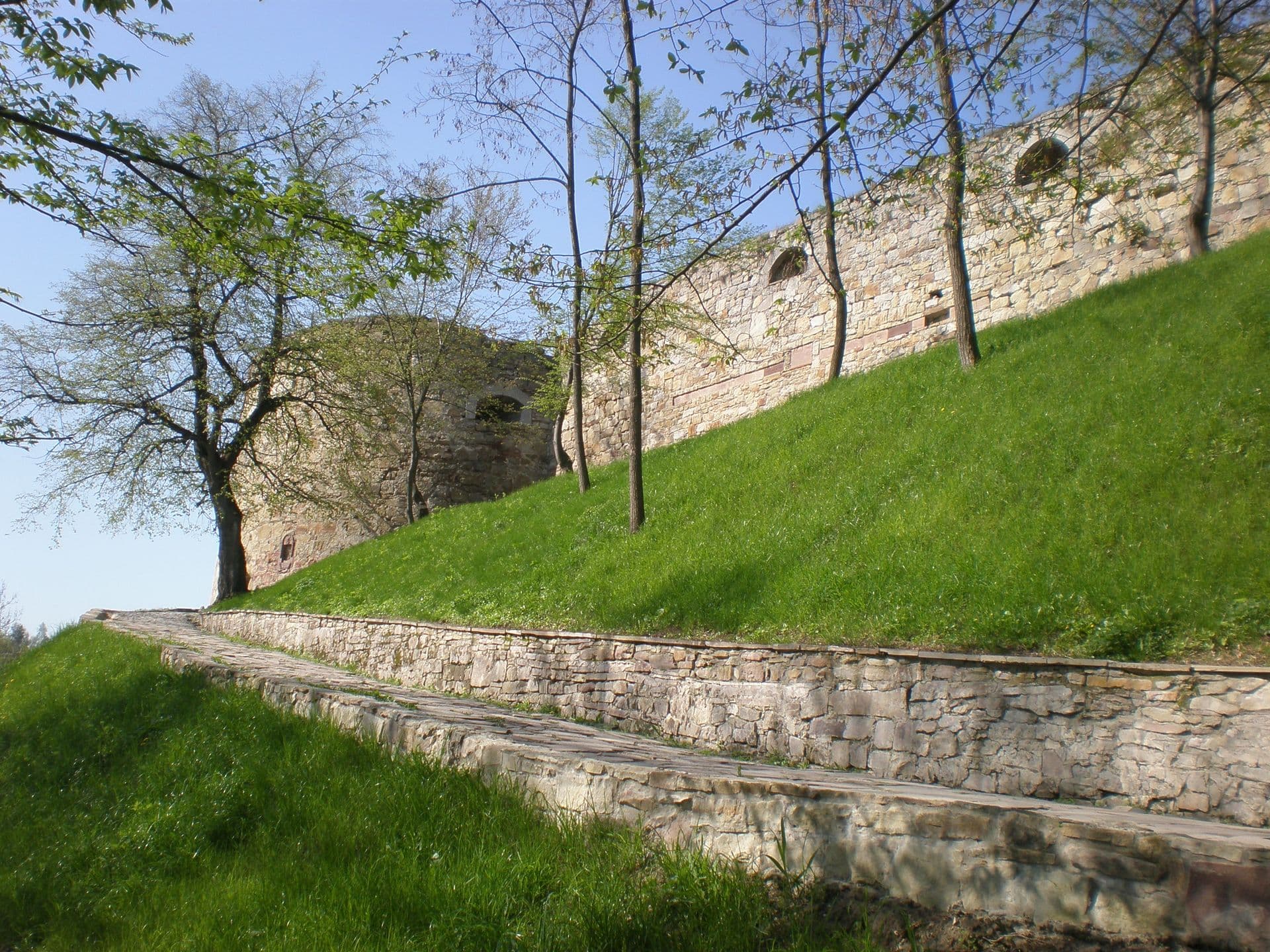
Terebovlia Castle
Pidzamche St., Terebovlia, Ternopil Oblast, UkraineModerateTerebovlia is a city with a glorious history and ancient defensive traditions. The first castle here appeared as early as the 11th century during the reign of Prince Vasylko of Terebovlia. It was made of wood, and its approaches were protected by water fortifications, as well as earthen ramparts and moats, the remains of which have survived to this day. In the 14th century, a new stone castle was built on the site of the princely castle. Frequent enemy attacks created the need to strengthen and expand the castle grounds. In 1631–1632, the town’s starosta, Oleksandr Balaban, erected a mighty fortress on Castle Hill. It featured three defensive towers equipped with embrasures for small arms and cannons, as well as underground passages. The defense of Terebovlia in 1675, enveloped in romance and full of heroism, occurred when the city found itself at the center of the Polish-Turkish war. For 9 days, Turkish troops kept the castle under siege, and it was saved only thanks to the courage of Sofia Chrzanowska, the captain's wife. A monument to this brave woman stands on a hill behind the castle. In the 18th century, with the onset of a peaceful period, the fortress lost its strategic importance and was no longer used as a defensive structure. Since 2008, the Terebovlia Castle has been part of the "Castles of Ternopil Region" National Reserve.
Car, On foot, Bicycle, BusSpring, Summer, Autumn, Winter, All yearWCInstagram spotPanoramic viewSunrise / SunsetSuitable for childrenPaid, MixedRomantic, Historical, Peaceful, FamilyCouples, Families, Companies, Solo travelers4G, Wi-FiTerebovlia Castle
Pidzamche St., Terebovlia, Ternopil Oblast, UkraineModerateTerebovlia is a city with a glorious history and ancient defensive traditions. The first castle here appeared as early as the 11th century during the reign of Prince Vasylko of Terebovlia. It was made of wood, and its approaches were protected by water fortifications, as well as earthen ramparts and moats, the remains of which have survived to this day. In the 14th century, a new stone castle was built on the site of the princely castle. Frequent enemy attacks created the need to strengthen and expand the castle grounds. In 1631–1632, the town’s starosta, Oleksandr Balaban, erected a mighty fortress on Castle Hill. It featured three defensive towers equipped with embrasures for small arms and cannons, as well as underground passages. The defense of Terebovlia in 1675, enveloped in romance and full of heroism, occurred when the city found itself at the center of the Polish-Turkish war. For 9 days, Turkish troops kept the castle under siege, and it was saved only thanks to the courage of Sofia Chrzanowska, the captain's wife. A monument to this brave woman stands on a hill behind the castle. In the 18th century, with the onset of a peaceful period, the fortress lost its strategic importance and was no longer used as a defensive structure. Since 2008, the Terebovlia Castle has been part of the "Castles of Ternopil Region" National Reserve.
Car, On foot, Bicycle, BusSpring, Summer, Autumn, Winter, All yearWCInstagram spotPanoramic viewSunrise / SunsetSuitable for childrenPaid, MixedRomantic, Historical, Peaceful, FamilyCouples, Families, Companies, Solo travelers4G, Wi-Fi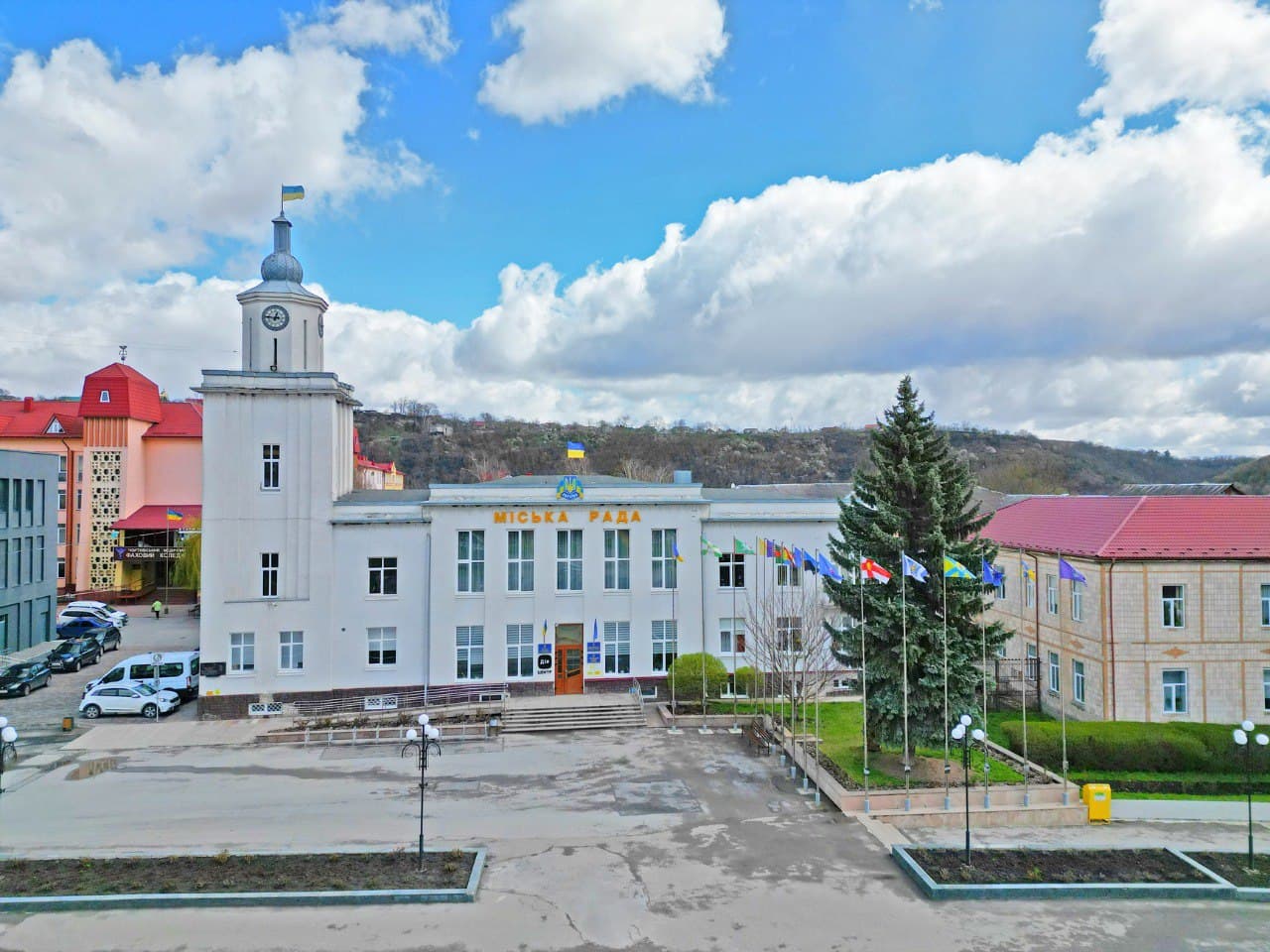
New Town Hall
ChortkivEasyThe New Town Hall in Chortkiv is a historic municipal building constructed between 1926 and 1930 in the Constructivist style. It is a three-story, square-shaped stone structure featuring an inner courtyard and a distinctive corner tower on the left side of the main façade. Today, the Chortkiv City Council operates within the building.
Car, On foot, Bicycle, BusSpring, Summer, Autumn, Winter, All yearParkingWCCafe nearbyInstagram spotAsphaltSuitable for childrenMixedHistoricalCouples, Families, Companies, Solo travelers, Elderly4G, Wi-FiNew Town Hall
ChortkivEasyThe New Town Hall in Chortkiv is a historic municipal building constructed between 1926 and 1930 in the Constructivist style. It is a three-story, square-shaped stone structure featuring an inner courtyard and a distinctive corner tower on the left side of the main façade. Today, the Chortkiv City Council operates within the building.
Car, On foot, Bicycle, BusSpring, Summer, Autumn, Winter, All yearParkingWCCafe nearbyInstagram spotAsphaltSuitable for childrenMixedHistoricalCouples, Families, Companies, Solo travelers, Elderly4G, Wi-Fi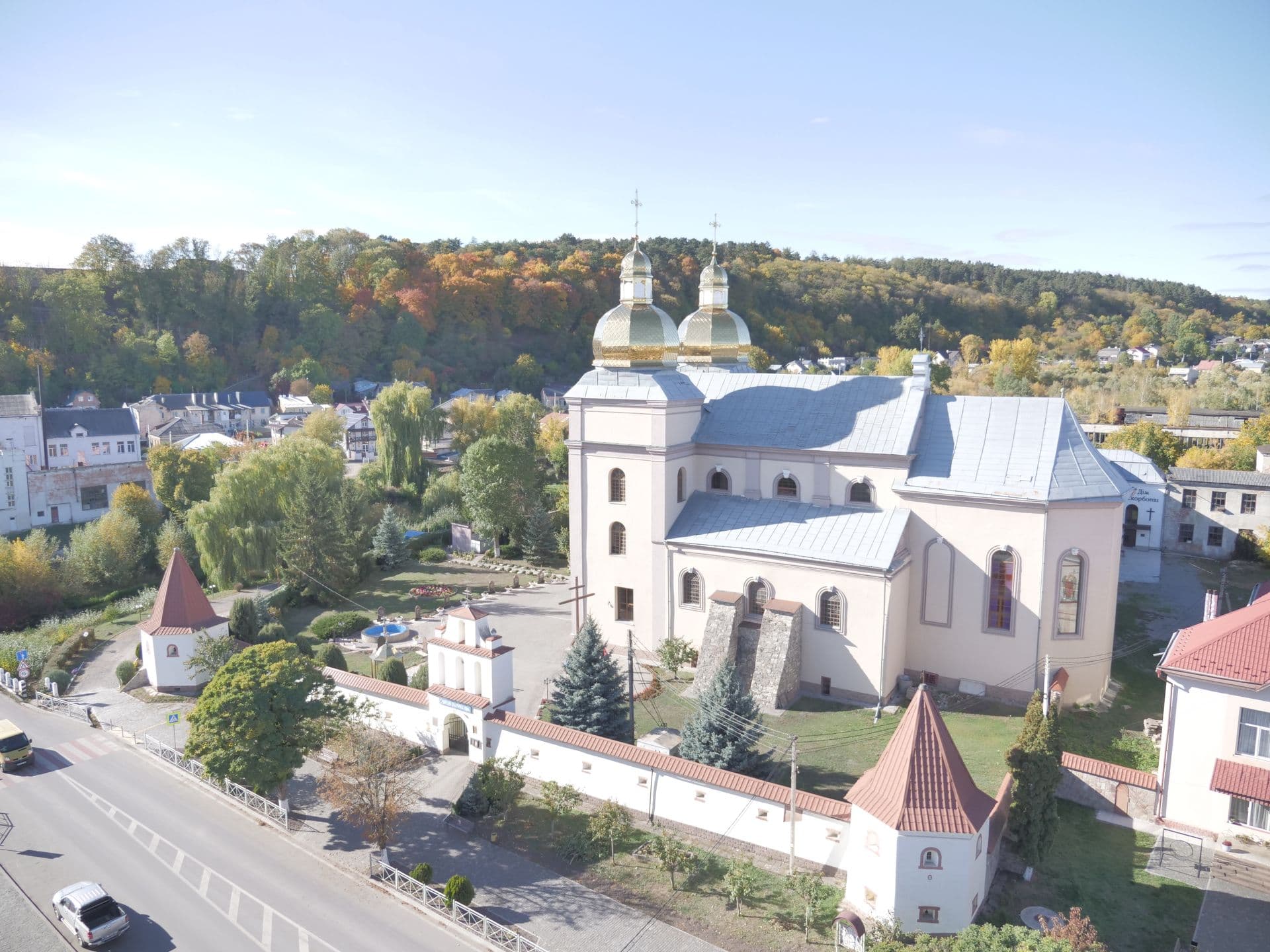
St. Volodymyr Church of the OCU (Former Carmelite Monastery)
3 Taras Shevchenko Street, Terebovlia, Ternopil Oblast, 48100EasyThe magnificent complex of the Carmelite fortified monastery, featuring the Church of the Assumption of the Blessed Virgin Mary, is one of Terebovlia’s most remarkable historical and architectural treasures. Founded in 1635 with the support of the town’s starosta, Aleksander Balicki, this sacred complex was built not only as a spiritual centre but also as a powerful fortification to protect the town from Tatar raids. Constructed from durable sandstone, the church combines the refined features of the Renaissance and Early Baroque styles. Its massive surviving walls, four corner defensive towers with loopholes, and a peaceful inner cloister courtyard are of particular historical value. Throughout its centuries-long history, the complex has endured destruction, reconstruction, and closure during the Soviet era before regaining its sacred status. Today, the former church serves as an active Orthodox place of worship belonging to the Orthodox Church of Ukraine (OCU). The complex attracts travellers with its monumental architecture and distinctive atmosphere of antiquity. It is an essential stop on any tourist route through this ancient town.
Car, On foot, Bicycle, BusSpring, Summer, Autumn, Winter, All yearWCAsphaltSuitable for childrenFreeHistorical, Peaceful, FamilyCouples, Families, Companies, Solo travelers, Elderly4GSt. Volodymyr Church of the OCU (Former Carmelite Monastery)
3 Taras Shevchenko Street, Terebovlia, Ternopil Oblast, 48100EasyThe magnificent complex of the Carmelite fortified monastery, featuring the Church of the Assumption of the Blessed Virgin Mary, is one of Terebovlia’s most remarkable historical and architectural treasures. Founded in 1635 with the support of the town’s starosta, Aleksander Balicki, this sacred complex was built not only as a spiritual centre but also as a powerful fortification to protect the town from Tatar raids. Constructed from durable sandstone, the church combines the refined features of the Renaissance and Early Baroque styles. Its massive surviving walls, four corner defensive towers with loopholes, and a peaceful inner cloister courtyard are of particular historical value. Throughout its centuries-long history, the complex has endured destruction, reconstruction, and closure during the Soviet era before regaining its sacred status. Today, the former church serves as an active Orthodox place of worship belonging to the Orthodox Church of Ukraine (OCU). The complex attracts travellers with its monumental architecture and distinctive atmosphere of antiquity. It is an essential stop on any tourist route through this ancient town.
Car, On foot, Bicycle, BusSpring, Summer, Autumn, Winter, All yearWCAsphaltSuitable for childrenFreeHistorical, Peaceful, FamilyCouples, Families, Companies, Solo travelers, Elderly4G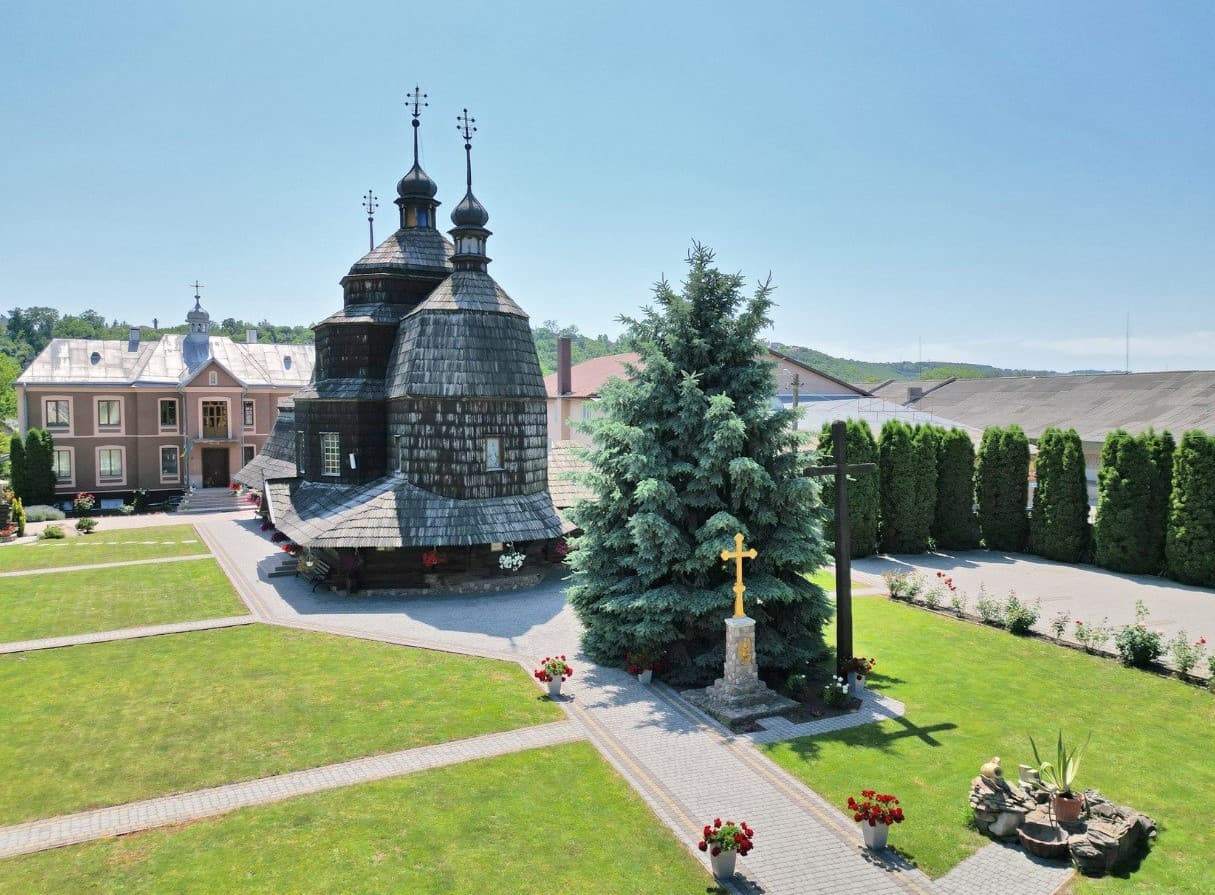
Church of the Ascension of the Lord
81 Zalyznychnna StreetEasyThe Church of the Ascension of the Lord is one of the most picturesque wooden shrines in Chortkiv, built in 1630 without a single nail. It is a valuable example of traditional Ukrainian folk architecture. Originally, the church was located in the city center, but later, at the request of Chortkiv’s last owner, Hieronim Sadowski, it was moved to Vyhnanka — a district that didn’t have any other churches at the time. After being damaged during the Tatar and Turkish raids, the shrine was rebuilt in 1717 thanks to the local craftsmen and the church brotherhood. The church has a traditional three-part structure topped with three domes. The colorful windows fill the interior with soft light, and the elegant wooden arch emphasizes the harmony of the inner space. Nearby, there’s an old three-tiered bell tower that complements the architectural ensemble. Today, the church is an active Greek Catholic parish and an important monument of Chortkiv’s cultural and spiritual heritage.
Car, On foot, Bicycle, BusAll yearParkingInstagram spotFreeHistorical, PeacefulAsphaltSuitable for childrenCouples, Families, Companies, Solo travelers, Elderly4GChurch of the Ascension of the Lord
81 Zalyznychnna StreetEasyThe Church of the Ascension of the Lord is one of the most picturesque wooden shrines in Chortkiv, built in 1630 without a single nail. It is a valuable example of traditional Ukrainian folk architecture. Originally, the church was located in the city center, but later, at the request of Chortkiv’s last owner, Hieronim Sadowski, it was moved to Vyhnanka — a district that didn’t have any other churches at the time. After being damaged during the Tatar and Turkish raids, the shrine was rebuilt in 1717 thanks to the local craftsmen and the church brotherhood. The church has a traditional three-part structure topped with three domes. The colorful windows fill the interior with soft light, and the elegant wooden arch emphasizes the harmony of the inner space. Nearby, there’s an old three-tiered bell tower that complements the architectural ensemble. Today, the church is an active Greek Catholic parish and an important monument of Chortkiv’s cultural and spiritual heritage.
Car, On foot, Bicycle, BusAll yearParkingInstagram spotFreeHistorical, PeacefulAsphaltSuitable for childrenCouples, Families, Companies, Solo travelers, Elderly4G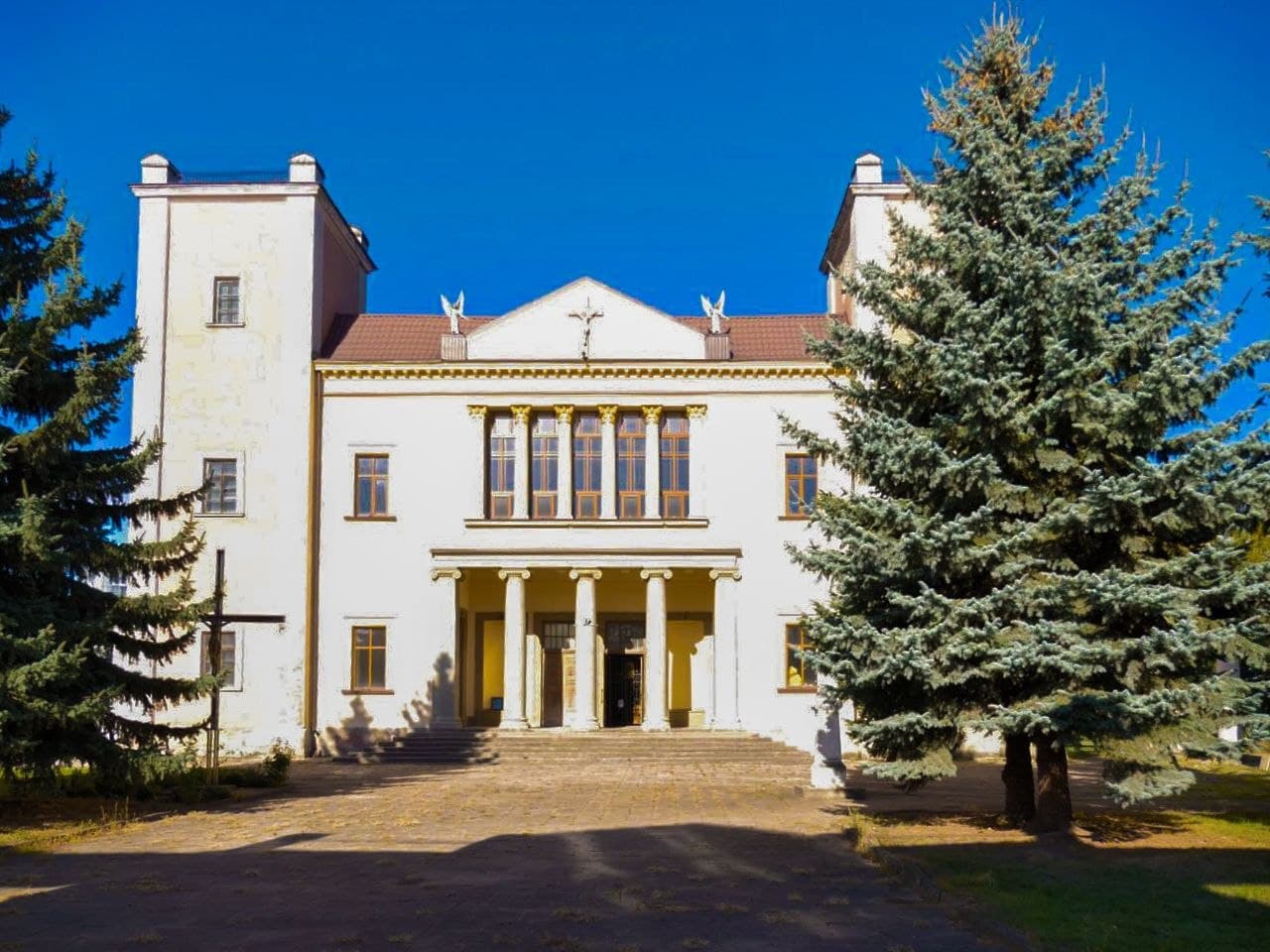
Church of Saints Peter and Paul
111 Knyaz Vasylko Street, Terebovlia, Ternopil Oblast, 48100EasyA unique active Roman Catholic church in Ukraine, built between 1924 and 1928 to a design by the distinguished architect Adolf Szyszko-Bohusz. The building is remarkable for being the first example in the country of monumental classical architecture modelled on an ancient Roman Christian basilica, making it reminiscent of the famous Basilica of Saint Paul Outside the Walls in Rome. The main façade is adorned with a majestic portico featuring Ionic columns, while inside, the space is divided by two rows of Corinthian columns and crowned with a coffered ceiling. During the Soviet era, the church’s two 39-metre towers were partially destroyed, and the building was converted into a grain warehouse and a cultural centre. In 1992, the church was returned to the faithful. Its interior has now been fully restored. It is one of the town’s most fascinating architectural landmarks.
Car, On foot, Bicycle, BusSpring, Summer, Autumn, Winter, All yearAsphaltSuitable for childrenAccessible for disabled peopleFreeHistorical, Peaceful, FamilyCouples, Families, Companies, Solo travelers, Elderly4GChurch of Saints Peter and Paul
111 Knyaz Vasylko Street, Terebovlia, Ternopil Oblast, 48100EasyA unique active Roman Catholic church in Ukraine, built between 1924 and 1928 to a design by the distinguished architect Adolf Szyszko-Bohusz. The building is remarkable for being the first example in the country of monumental classical architecture modelled on an ancient Roman Christian basilica, making it reminiscent of the famous Basilica of Saint Paul Outside the Walls in Rome. The main façade is adorned with a majestic portico featuring Ionic columns, while inside, the space is divided by two rows of Corinthian columns and crowned with a coffered ceiling. During the Soviet era, the church’s two 39-metre towers were partially destroyed, and the building was converted into a grain warehouse and a cultural centre. In 1992, the church was returned to the faithful. Its interior has now been fully restored. It is one of the town’s most fascinating architectural landmarks.
Car, On foot, Bicycle, BusSpring, Summer, Autumn, Winter, All yearAsphaltSuitable for childrenAccessible for disabled peopleFreeHistorical, Peaceful, FamilyCouples, Families, Companies, Solo travelers, Elderly4G