 Photo: ТІЦ Теребовля
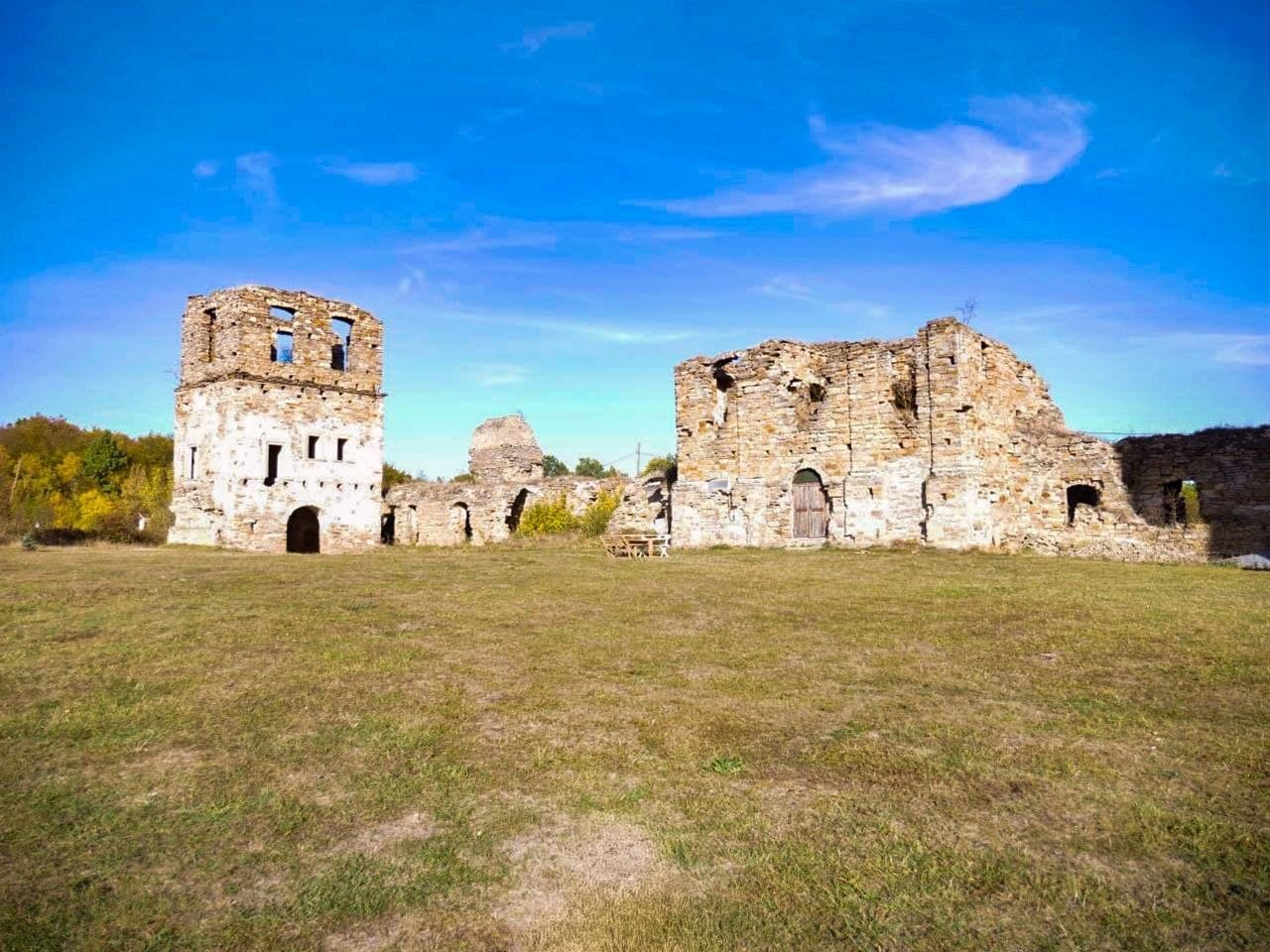 Photo: ТІЦ Теребовля
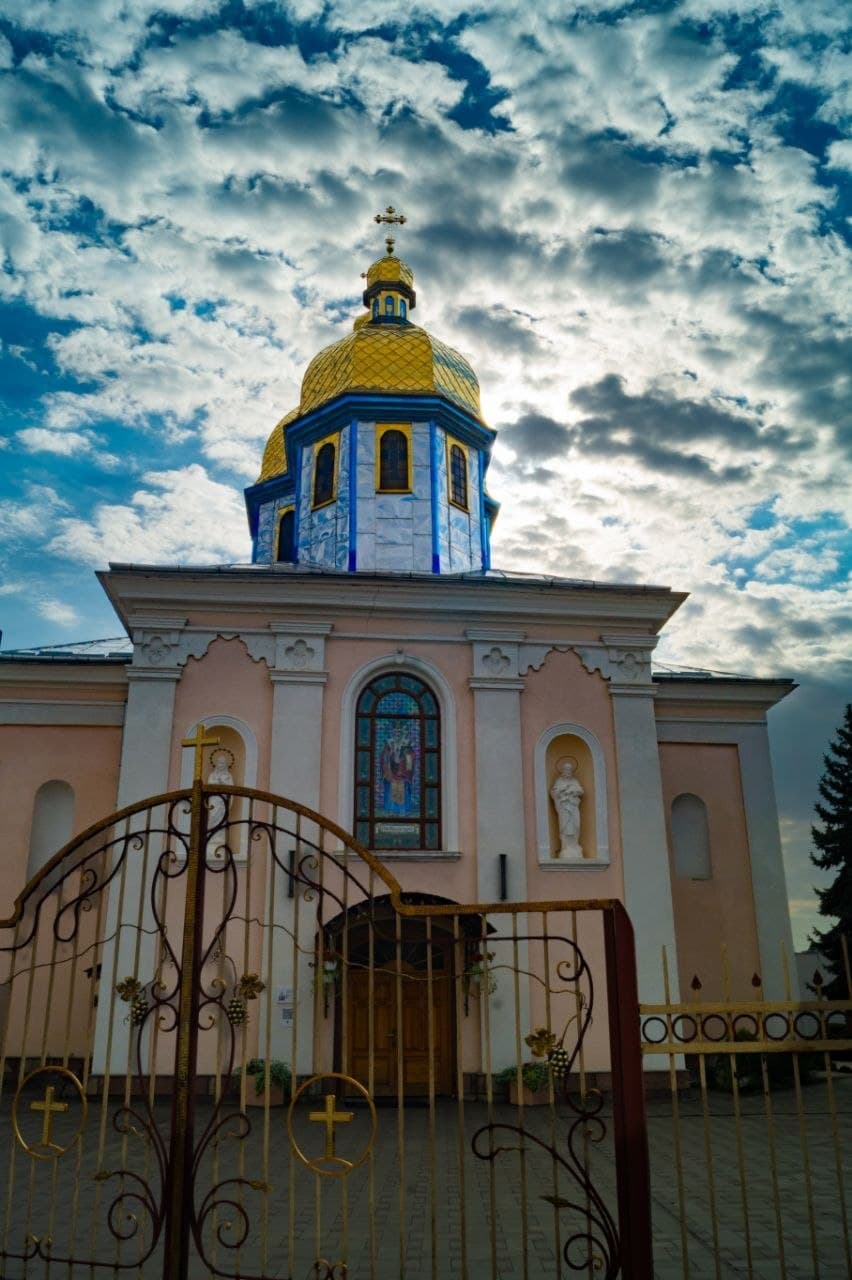 Photo: ТІЦ Теребовля
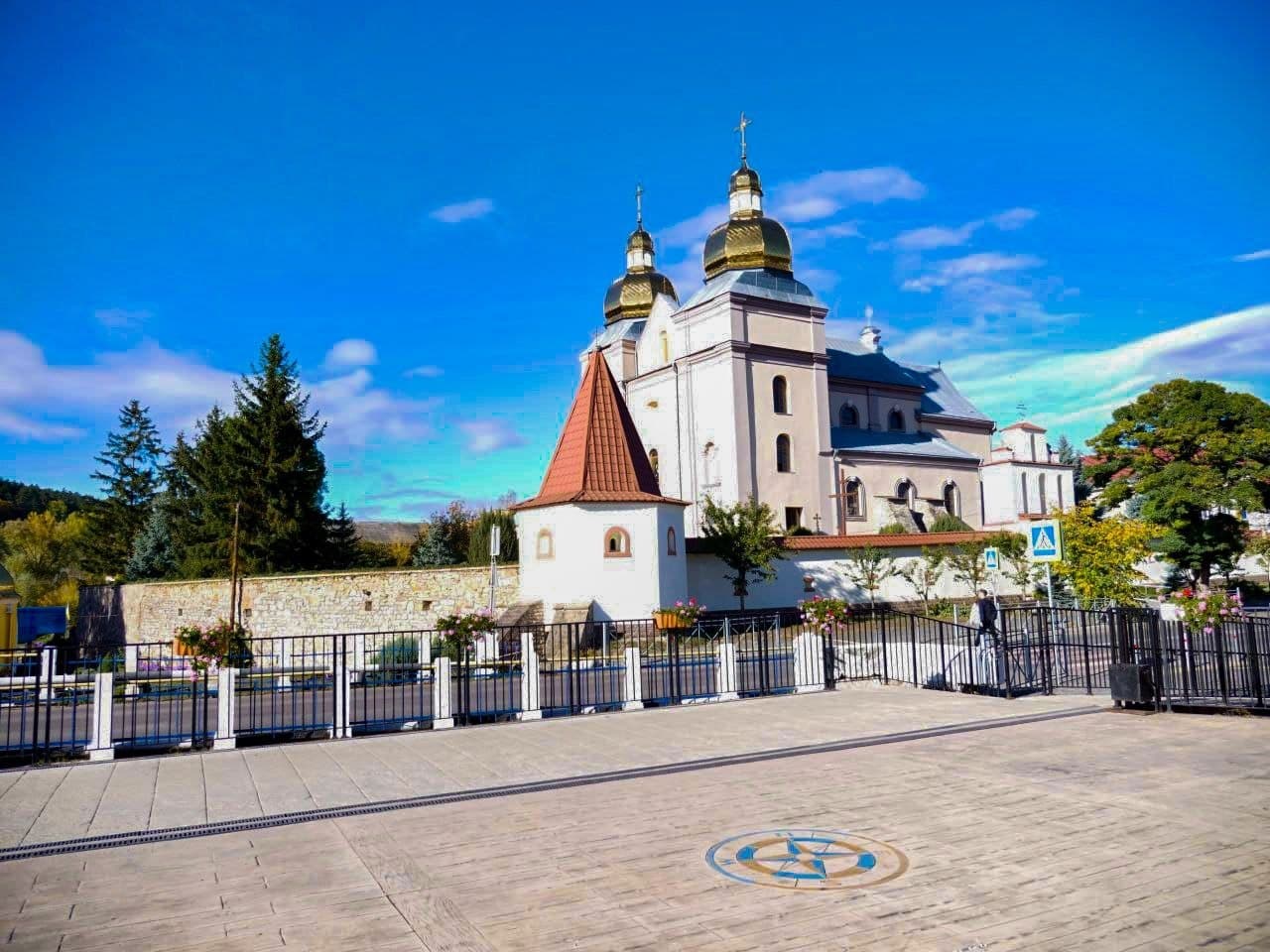 Photo: ТІЦ Теребовля
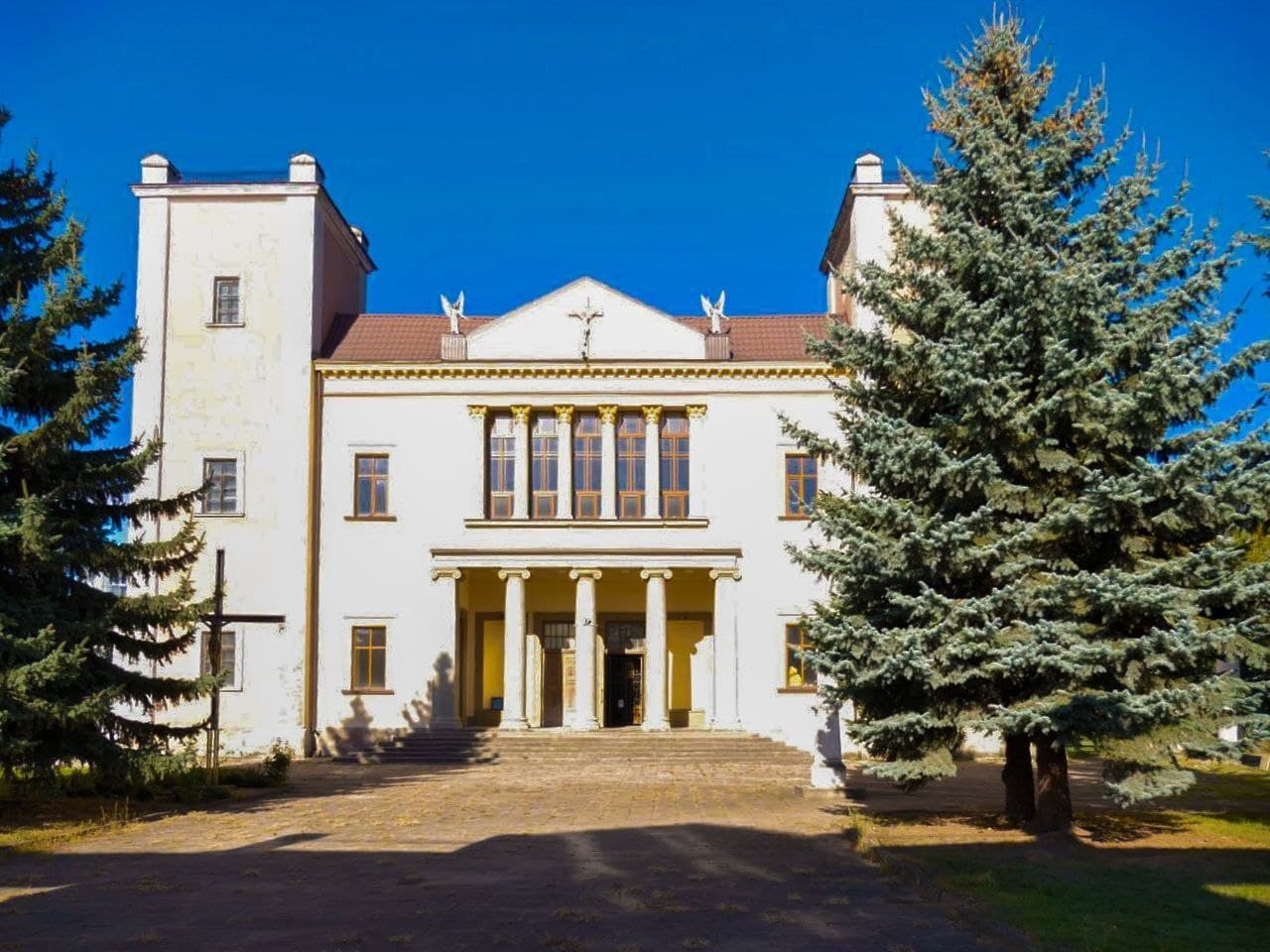 Photo: ТІЦ Теребовля
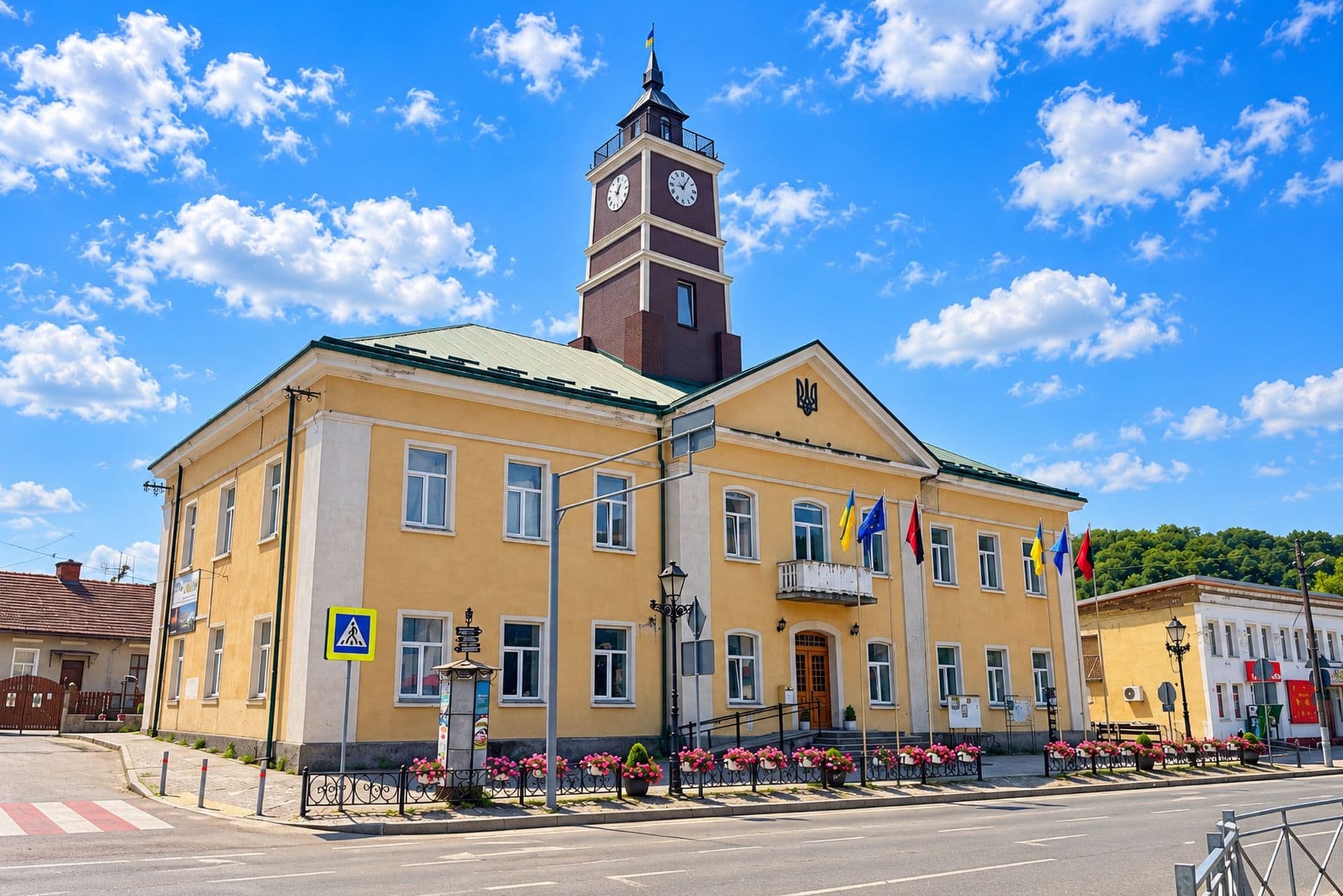 Photo: Кравчук Владислав
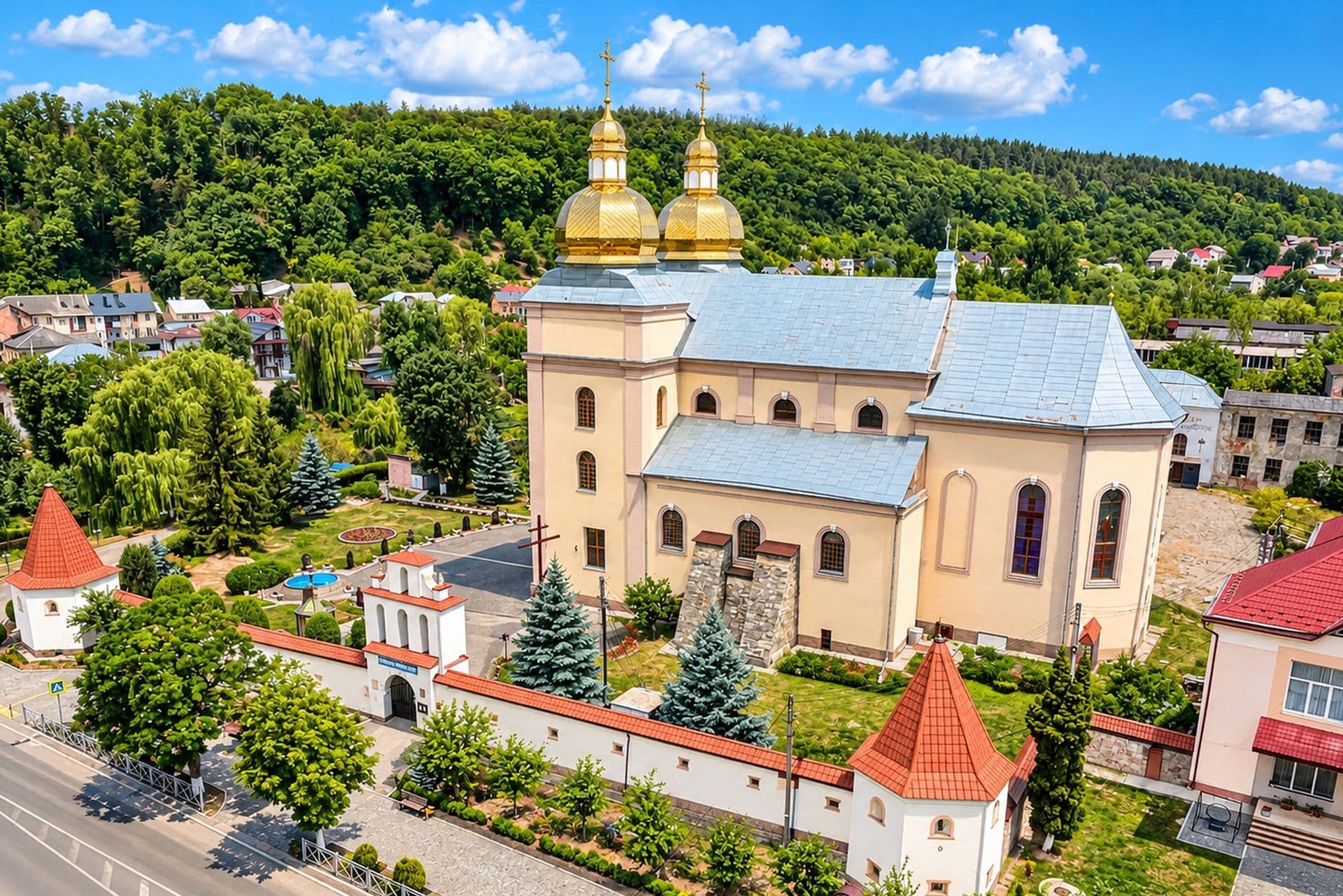 Photo: Кравчук Владислав
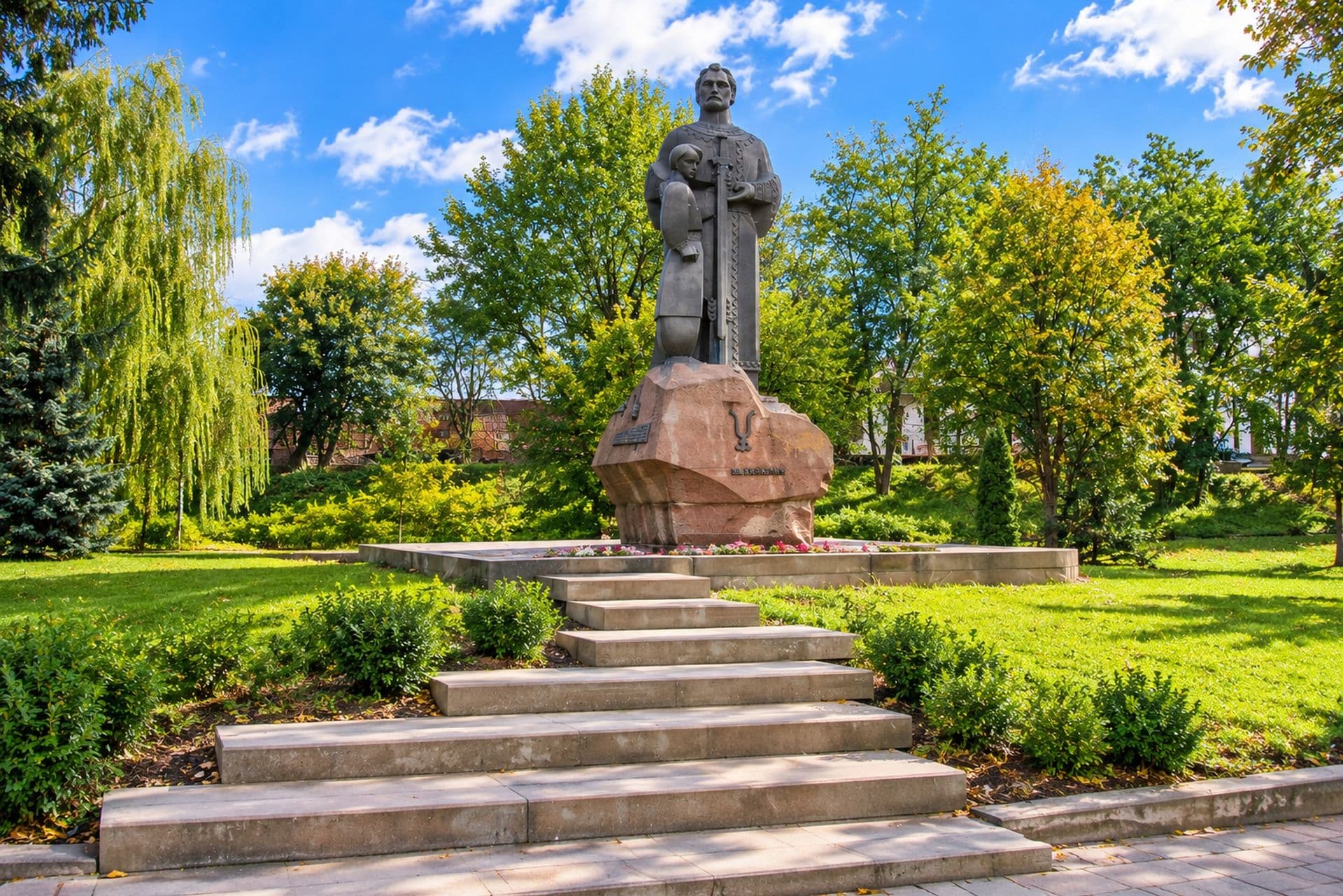 Photo: Кравчук Владислав
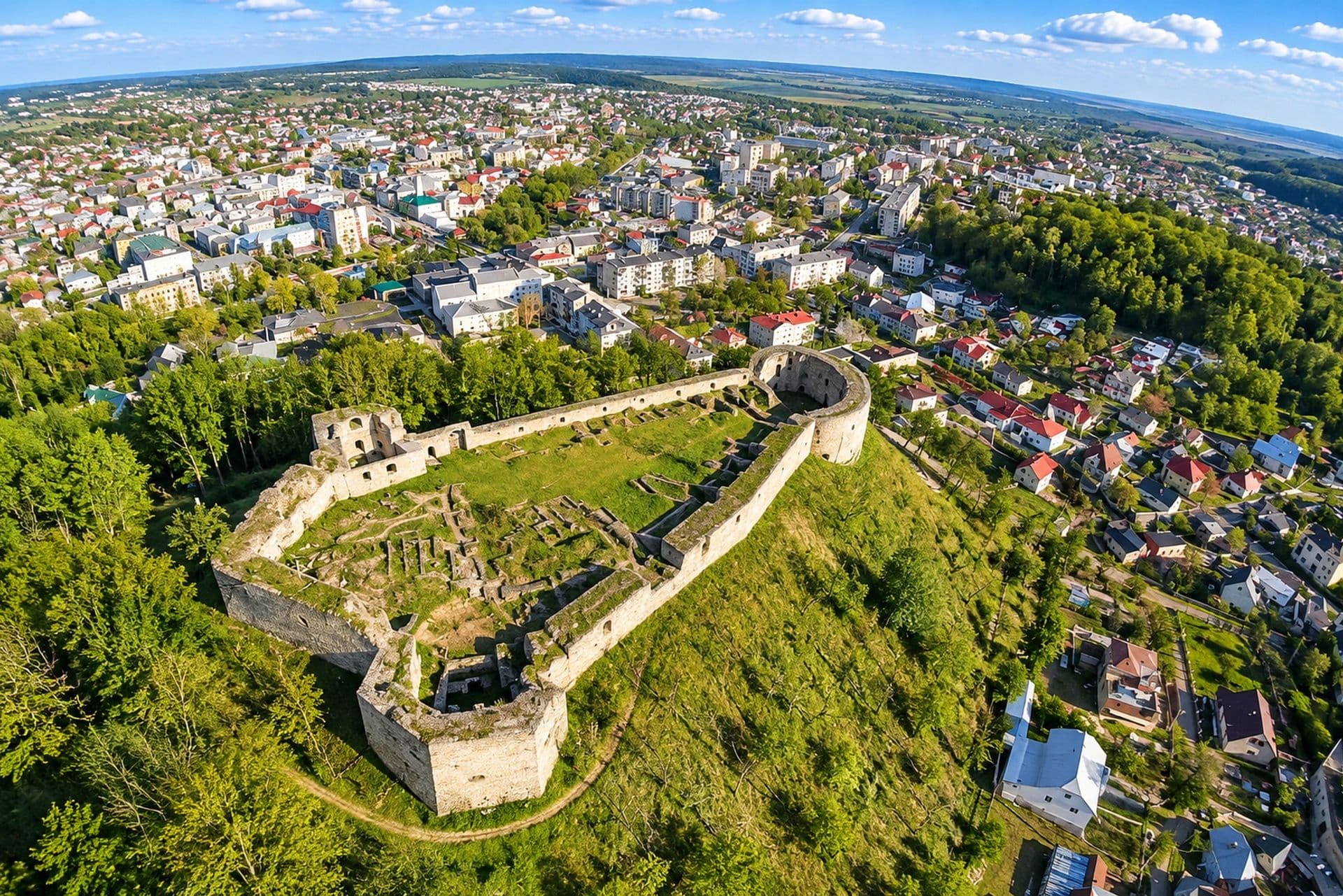 Photo: Кравчук Владислав
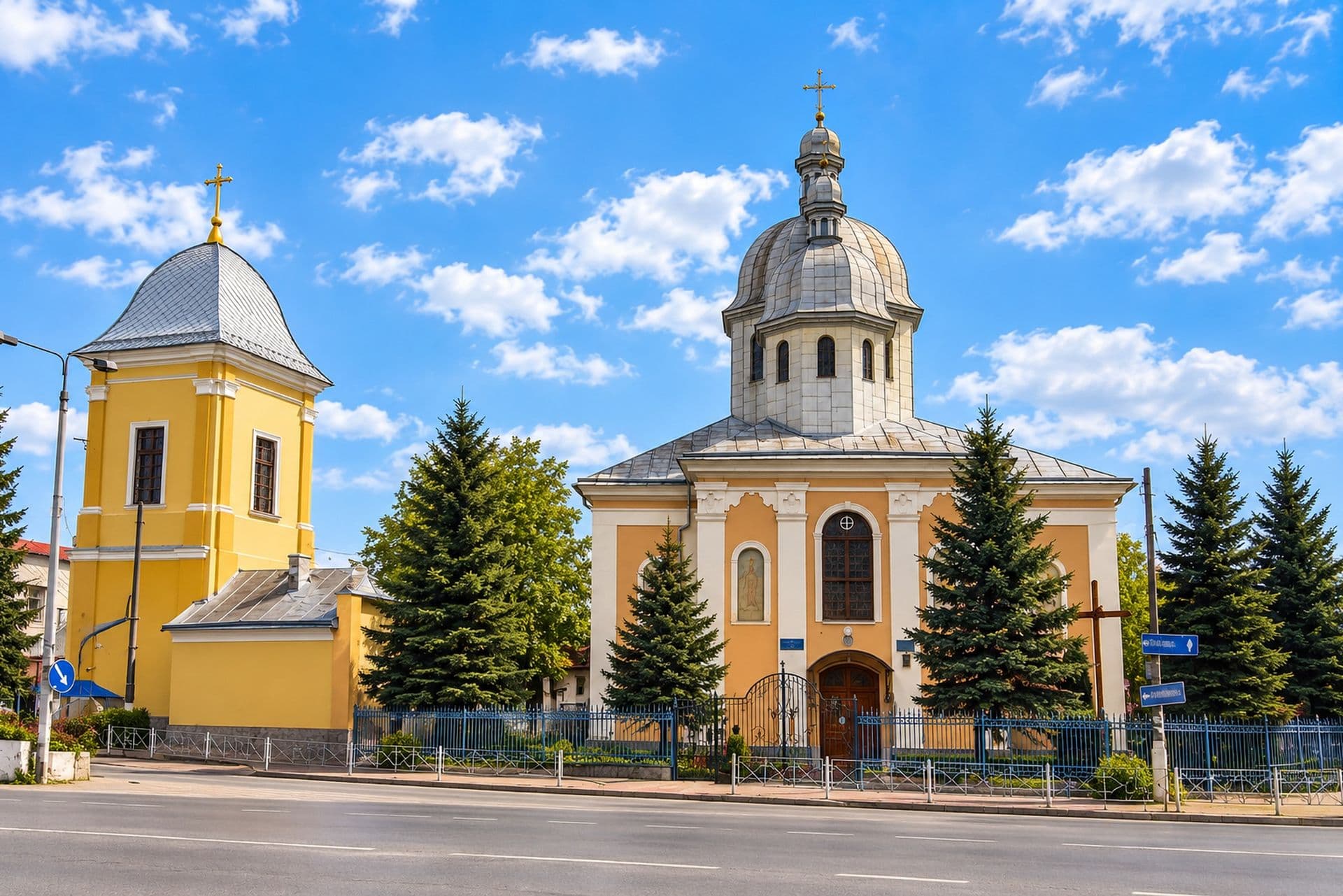 Photo: Кравчук Владислав
Terebovlia
Terebovlia is one of the oldest cities in Ukraine, steeped in the grandeur of the princely era. The first written mention of the city dates back to 1097. Nestled in the picturesque valley of the Hnizna River, Terebovlia is a true gem of the Ternopil region. History enthusiasts and those who enjoy peaceful, leisurely travel will find the city particularly rewarding.
The city’s crown jewel is Terebovlia Castle, perched high on Castle Hill. Its massive 17th-century defensive walls still preserve the spirit of medieval battles and the legends of the courageous Zofia Chrzanowska. Beyond the fortress, visitors are drawn to the imposing fortified Carmelite monastery, the elegant Church of Saints Peter and Paul, inspired by Roman basilicas, and the ancient St. Nicholas Church. On the outskirts of the city, visitors can also discover the magnificent ruins of the Pidhirianskyi Monastery and the Palace of the Kozibrodsky Counts.
The staff of the Tourist Information Centre will be delighted to welcome you and help you explore the streets of the city and its picturesque surroundings. And if you would like to take a lasting piece of Terebovlia with you in your heart, visit the Museum-Workshop, where ancient artefacts are preserved and you can create a unique handmade souvenir of your own.
With its unique architecture and European charm, Terebovlia is an ideal destination for a weekend getaway. Cultures converge here, and every corner tells a story of the former might of the Principality of Terebovlia. Discover this charming town, where history comes alive at every turn!
Worth visiting
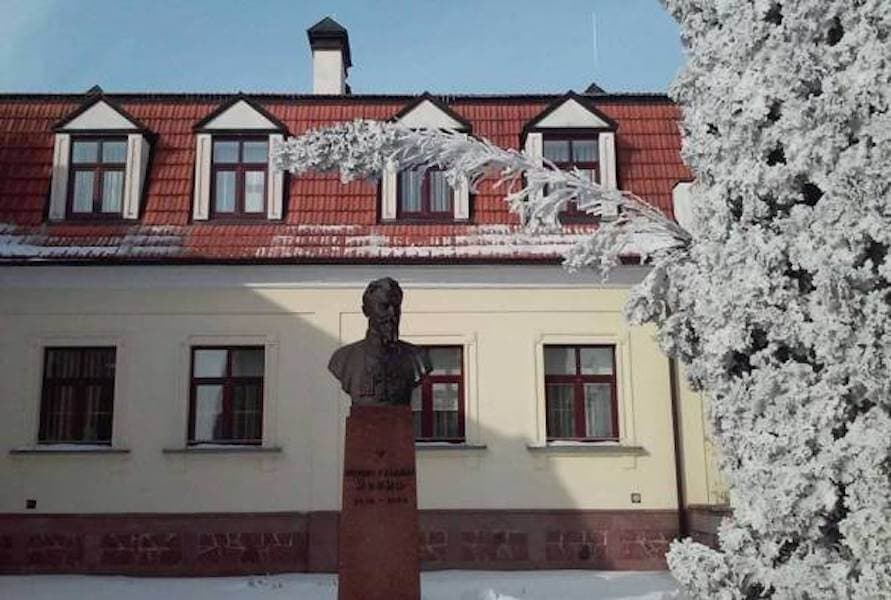
Museum and Memorial Complex "Ridna Khata" (Native Home) of Patriarch Josyf Slipyj
A spiritual and memorial museum dedicated to the Patriarch of the Ukrainian Greek Catholic Church, Cardinal Josyf Slipyj. The museum complex is located on the territory of the family estate of Patriarch Josyf in the village of Zazdrist, Ternopil District, Ternopil Oblast, where this famous church and public figure was born and spent his childhood years. The founder, initiator, and financial supporter of the museum is the "St. Sophia" Religious Society of Ukrainian Catholics (USA). Among the exhibits are personal belongings of Josyf Slipyj, items of clothing, books, documents, and photographs. A commemorative sign in honor of the donors from the "St. Sophia" Society is installed in the museum's foyer, and a bust of Josyf Slipyj stands in the courtyard of the complex. One of the museum's expositions, located in the restored birthplace of the Patriarch, tells the story of the daily life and history of the Slipyj-Dychkovskyi-Kobernytskyi family. Spiritual gatherings and scientific-theological conferences are held at the museum. There is also a liturgical chapel.
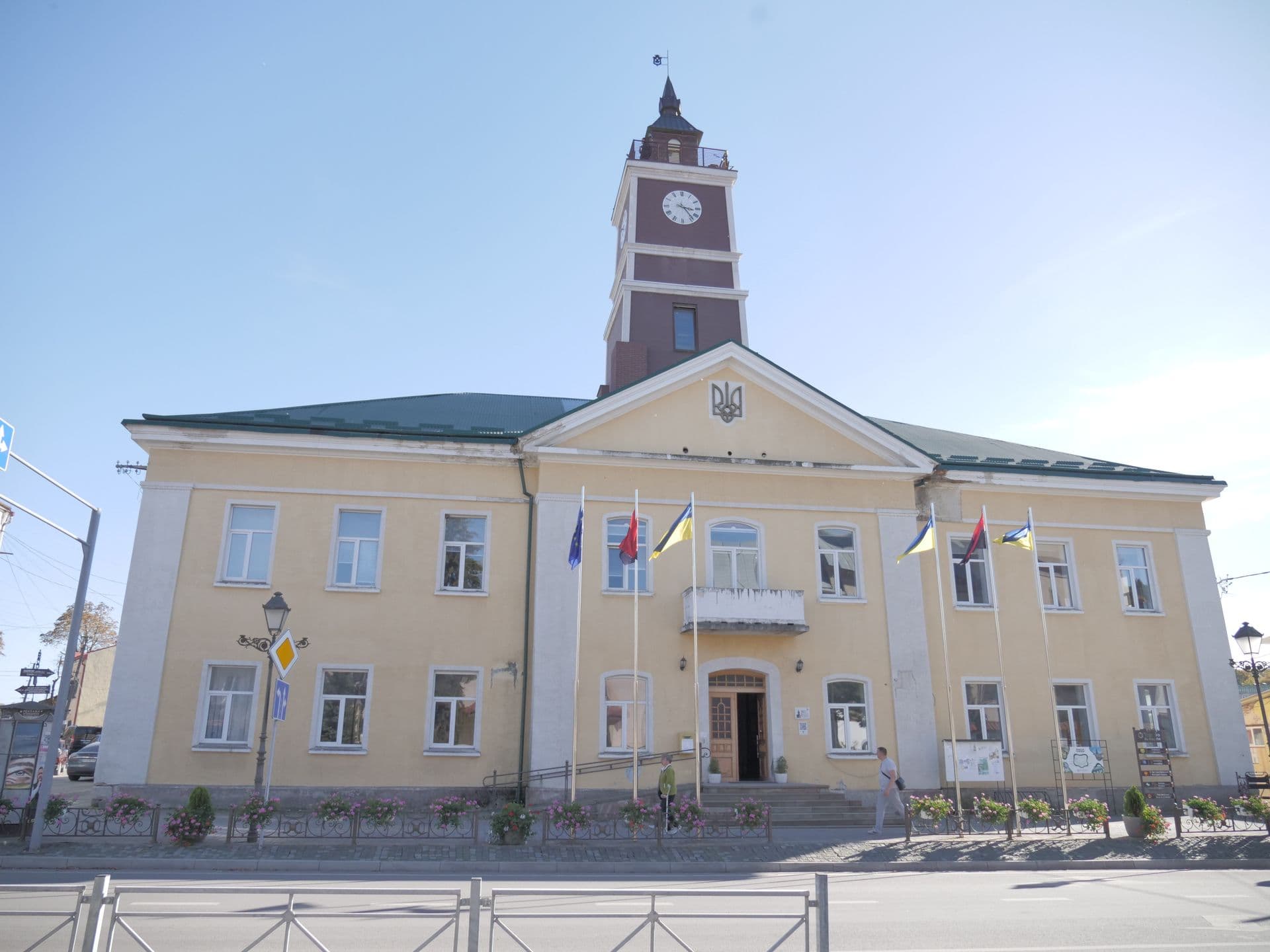
Terebovlia Town Hall
The history of Terebovlia Town Hall dates back to the late 18th and early 19th centuries. Documentary sources give different dates for its construction, particularly as the building was reconstructed several times, with changes to its interior layout and architectural form. A weather vane shaped like the coat of arms of Terebovlia is mounted at the top of the tower, while a cannonball discovered at the fortress is displayed on the façade. The walls of the magistrate’s hall once featured historic documents and artefacts: two royal charters granting privileges to the town in 1660, an old map of Terebovlia, and market privileges granted by Austrian Emperor Joseph II. At that time, the municipal government building was crowned with a wooden tower in the Neo-Gothic style, adorned with clocks set into all four sides. It is known that during the First World War, the tower and the second floor of the magistrate’s building were destroyed. The town hall was subsequently rebuilt in the Classical style. An observation deck was created on the third level of the tower. The history of local self-government in Terebovlia dates back to 1389, when the town was granted Magdeburg rights.
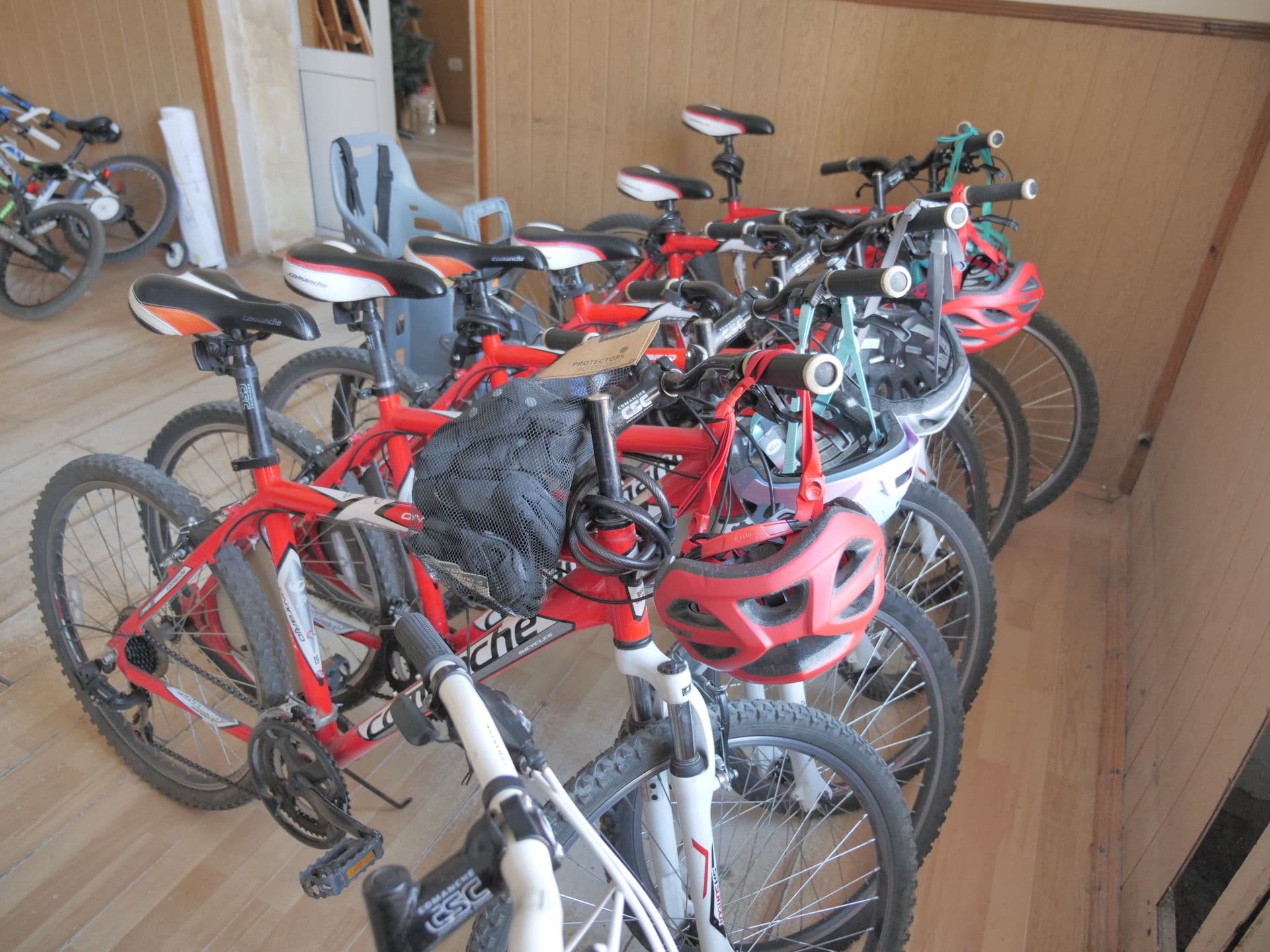
Cycling Tourism
Here you can rent bicycles (men’s, women’s and children’s models are available) and protective gear, as well as book a guided cycling tour or a cycling picnic.
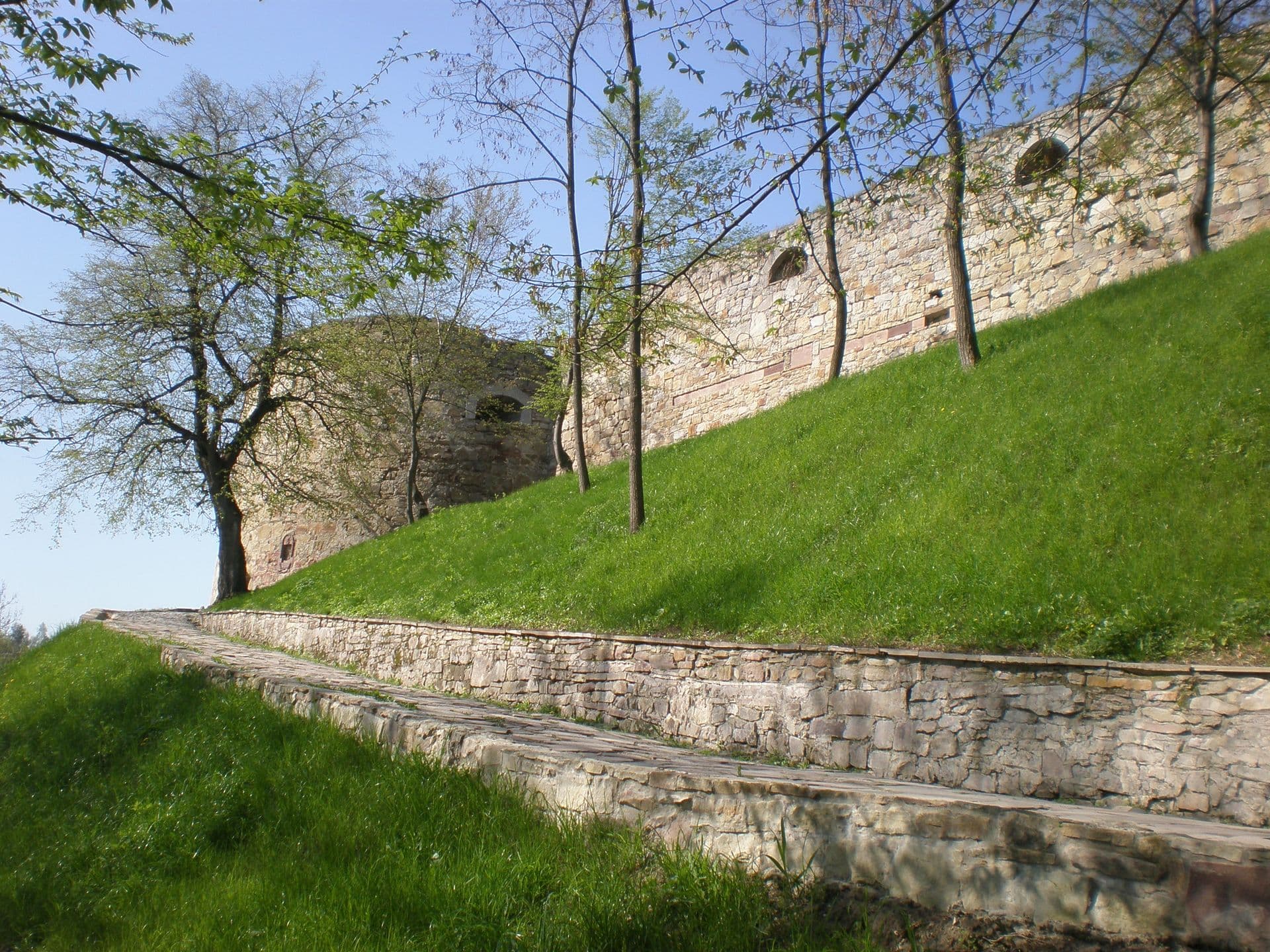
Terebovlia Castle
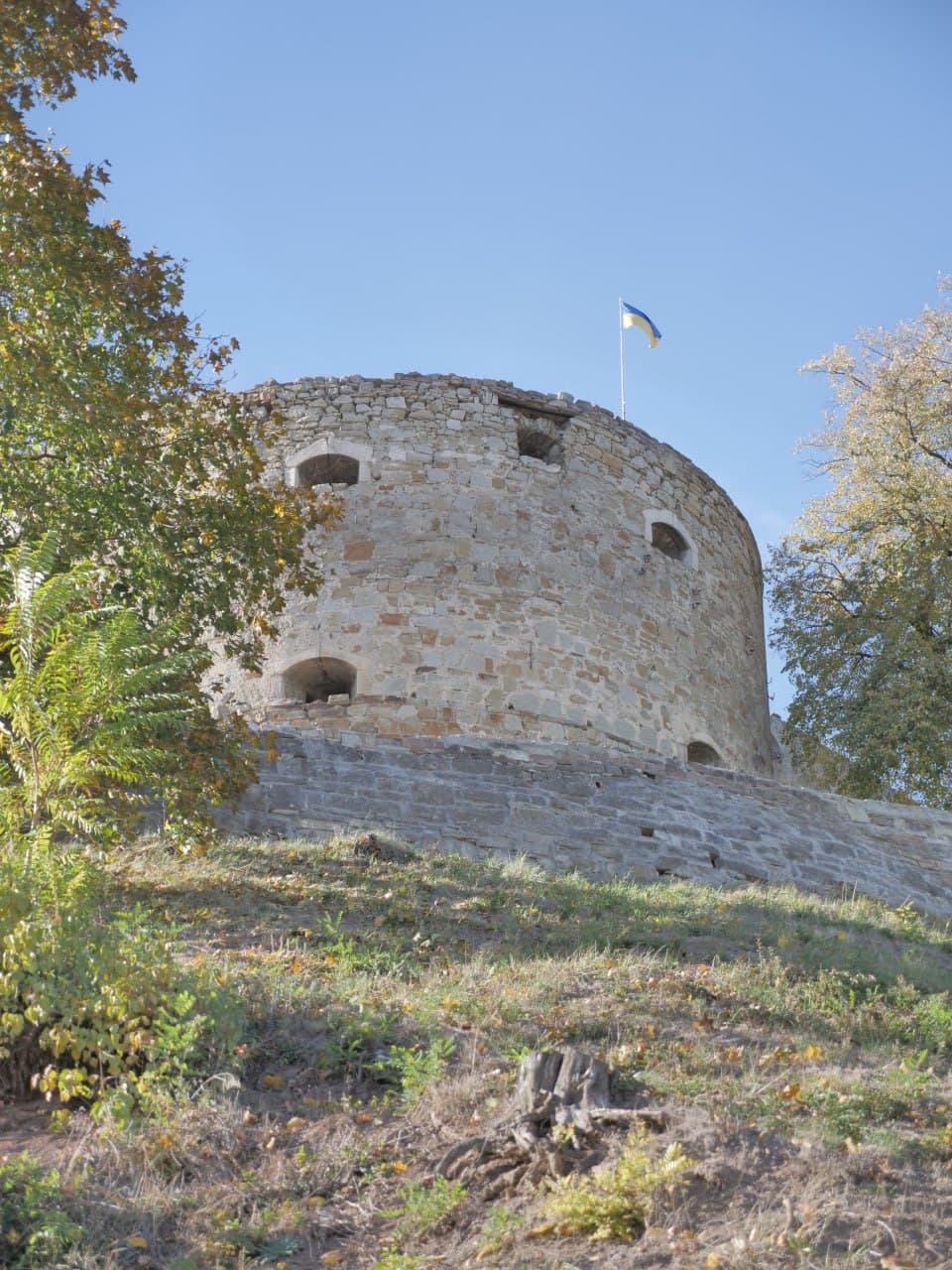
Terebovlia is a city with a glorious history and ancient defensive traditions. The first castle here appeared as early as the 11th century during the reign of Prince Vasylko of Terebovlia. It was made of wood, and its approaches were protected by water fortifications, as well as earthen ramparts and moats, the remains of which have survived to this day. In the 14th century, a new stone castle was built on the site of the princely castle. Frequent enemy attacks created the need to strengthen and expand the castle grounds. In 1631–1632, the town’s starosta, Oleksandr Balaban, erected a mighty fortress on Castle Hill. It featured three defensive towers equipped with embrasures for small arms and cannons, as well as underground passages. The defense of Terebovlia in 1675, enveloped in romance and full of heroism, occurred when the city found itself at the center of the Polish-Turkish war. For 9 days, Turkish troops kept the castle under siege, and it was saved only thanks to the courage of Sofia Chrzanowska, the captain's wife. A monument to this brave woman stands on a hill behind the castle. In the 18th century, with the onset of a peaceful period, the fortress lost its strategic importance and was no longer used as a defensive structure. Since 2008, the Terebovlia Castle has been part of the "Castles of Ternopil Region" National Reserve.
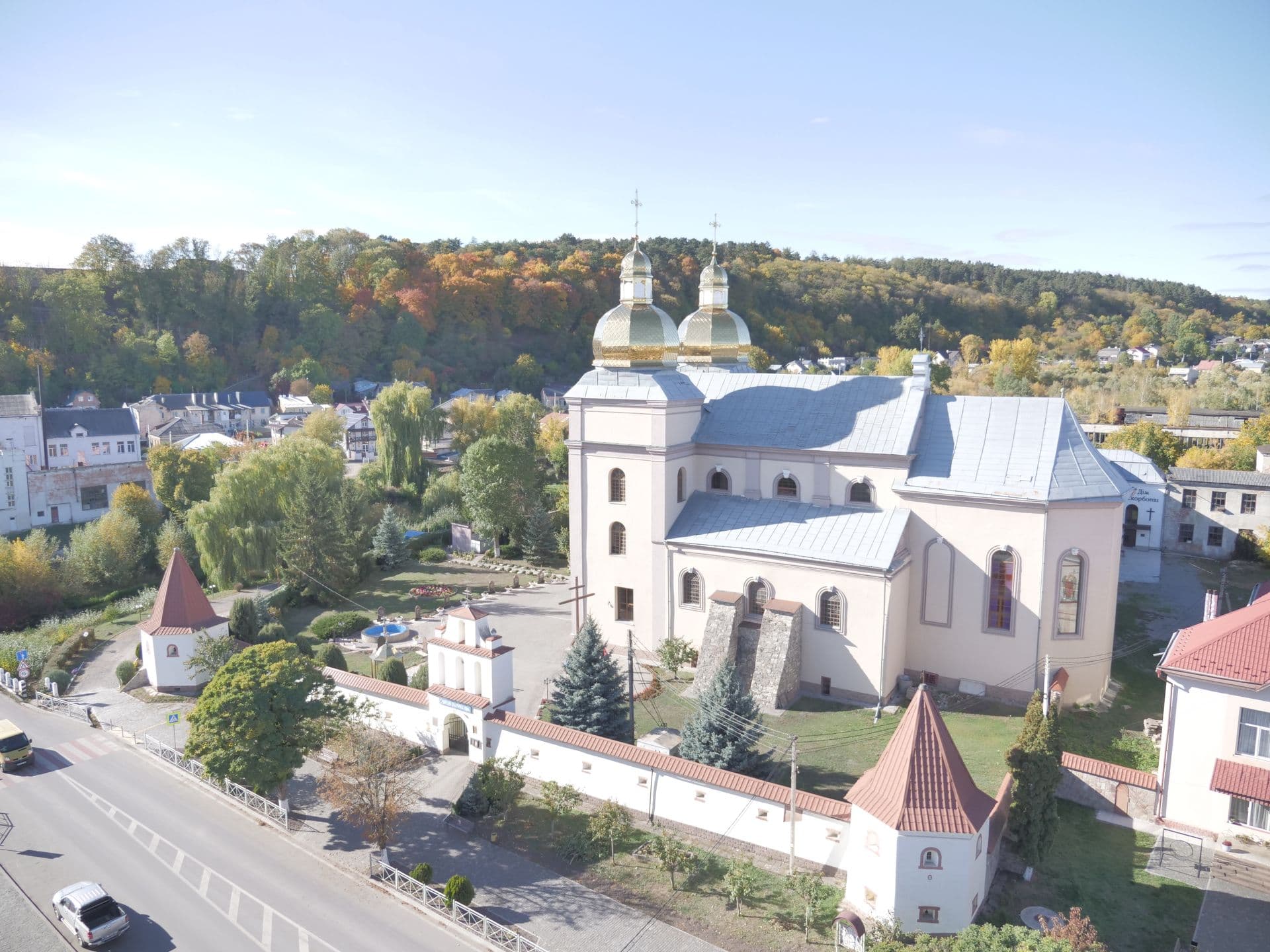
St. Volodymyr Church of the OCU (Former Carmelite Monastery)
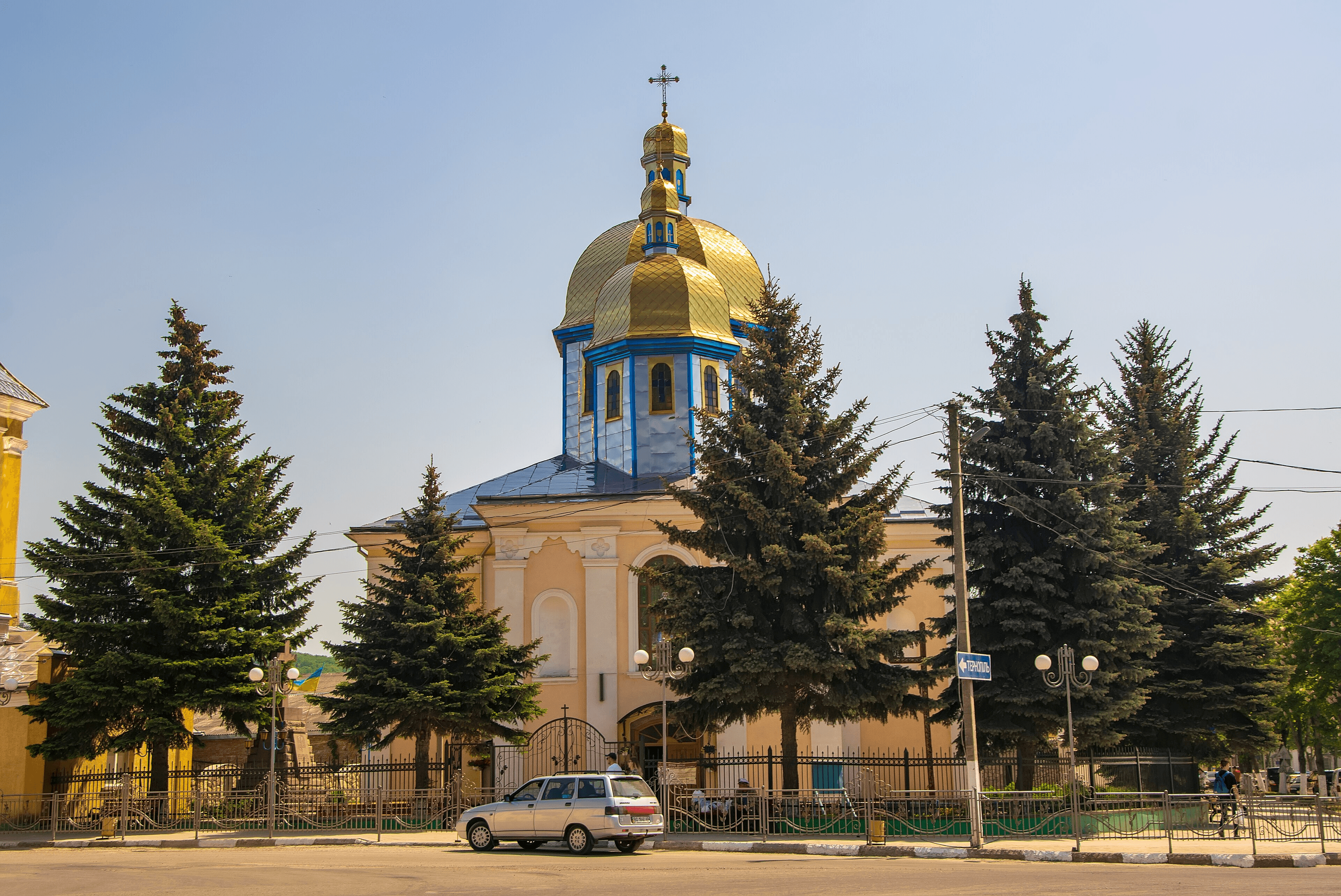
The magnificent complex of the Carmelite fortified monastery, featuring the Church of the Assumption of the Blessed Virgin Mary, is one of Terebovlia’s most remarkable historical and architectural treasures. Founded in 1635 with the support of the town’s starosta, Aleksander Balicki, this sacred complex was built not only as a spiritual centre but also as a powerful fortification to protect the town from Tatar raids. Constructed from durable sandstone, the church combines the refined features of the Renaissance and Early Baroque styles. Its massive surviving walls, four corner defensive towers with loopholes, and a peaceful inner cloister courtyard are of particular historical value. Throughout its centuries-long history, the complex has endured destruction, reconstruction, and closure during the Soviet era before regaining its sacred status. Today, the former church serves as an active Orthodox place of worship belonging to the Orthodox Church of Ukraine (OCU). The complex attracts travellers with its monumental architecture and distinctive atmosphere of antiquity. It is an essential stop on any tourist route through this ancient town.
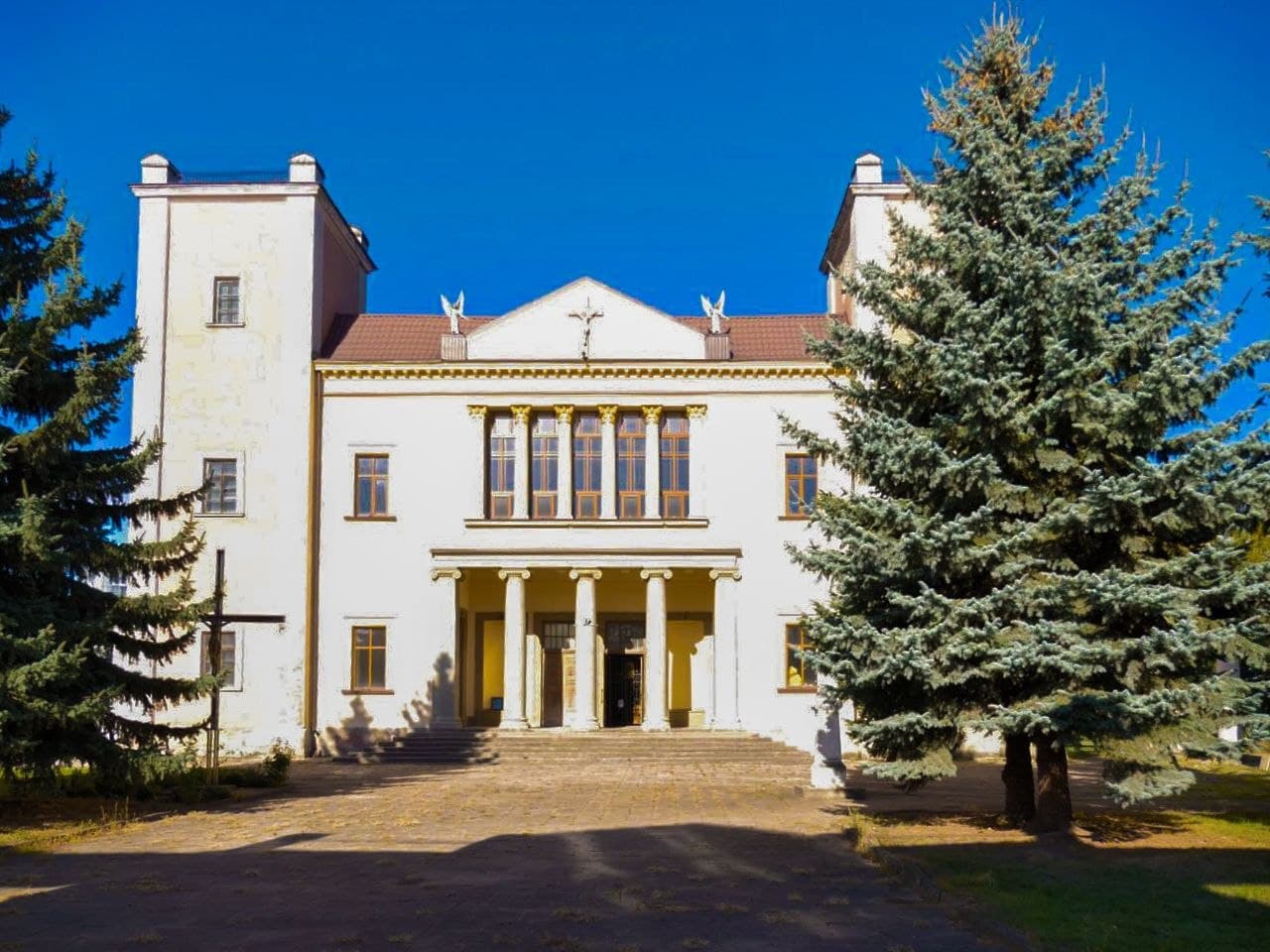
Church of Saints Peter and Paul
A unique active Roman Catholic church in Ukraine, built between 1924 and 1928 to a design by the distinguished architect Adolf Szyszko-Bohusz. The building is remarkable for being the first example in the country of monumental classical architecture modelled on an ancient Roman Christian basilica, making it reminiscent of the famous Basilica of Saint Paul Outside the Walls in Rome. The main façade is adorned with a majestic portico featuring Ionic columns, while inside, the space is divided by two rows of Corinthian columns and crowned with a coffered ceiling. During the Soviet era, the church’s two 39-metre towers were partially destroyed, and the building was converted into a grain warehouse and a cultural centre. In 1992, the church was returned to the faithful. Its interior has now been fully restored. It is one of the town’s most fascinating architectural landmarks.
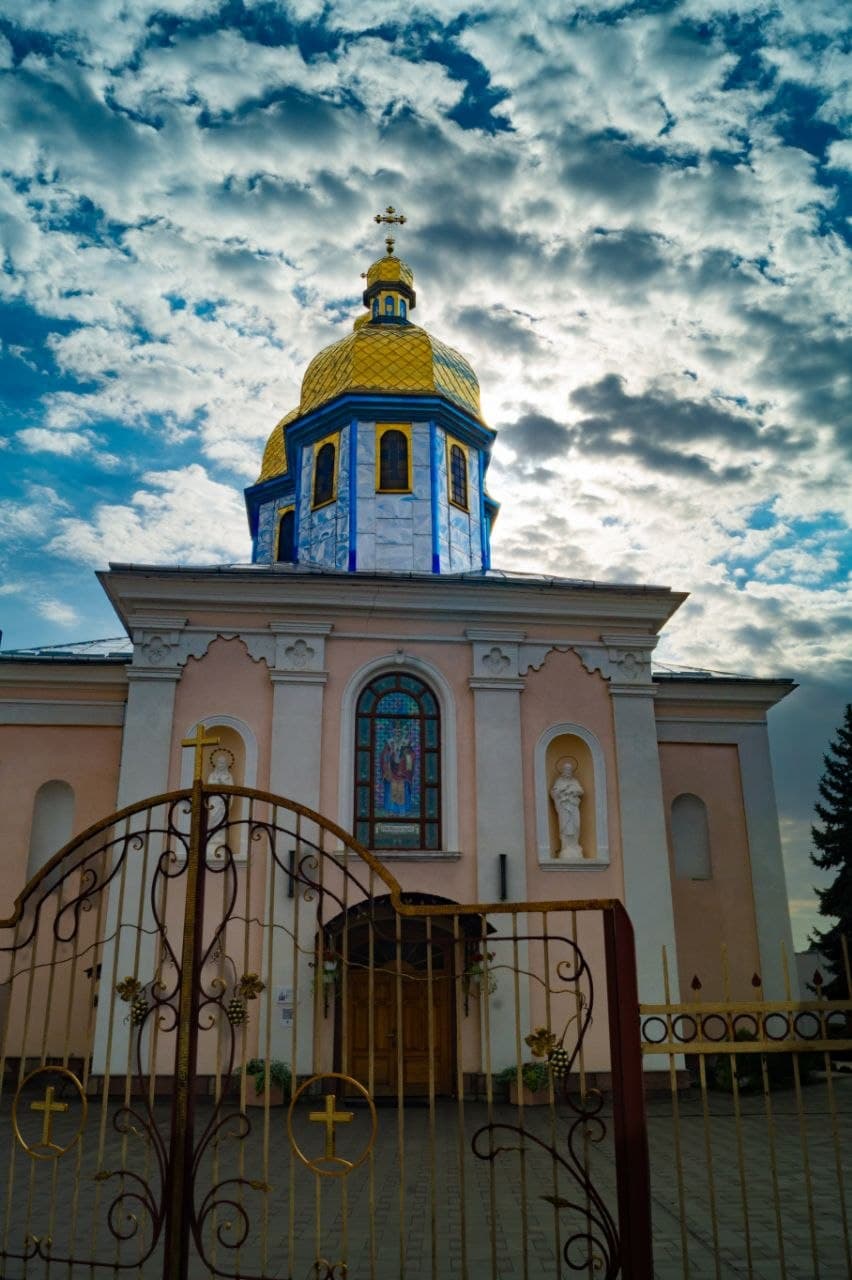
Church of St. Nicholas
A unique architectural monument of national significance, considered the oldest surviving church in Terebovlia. Its exact founding date is unknown; however, the church acquired its present fortified appearance following a major reconstruction in 1735, carried out with the support of Raphael Zaborovsky, Metropolitan of Kyiv. The building is remarkable for combining features of Old Rus’ architecture, Podolian defensive architecture, and the Baroque style. Beside the church stands a magnificent three-tiered bell tower, which in ancient times served as a defensive tower and formed part of the town’s fortifications near the Kamianets Gate. Inside, the church preserves a valuable Baroque iconostasis and houses a copy of the miraculous icon of Our Lady of Terebovlia. The church is a living witness to the town’s centuries-long struggle for freedom and a sacred spiritual landmark of the region.
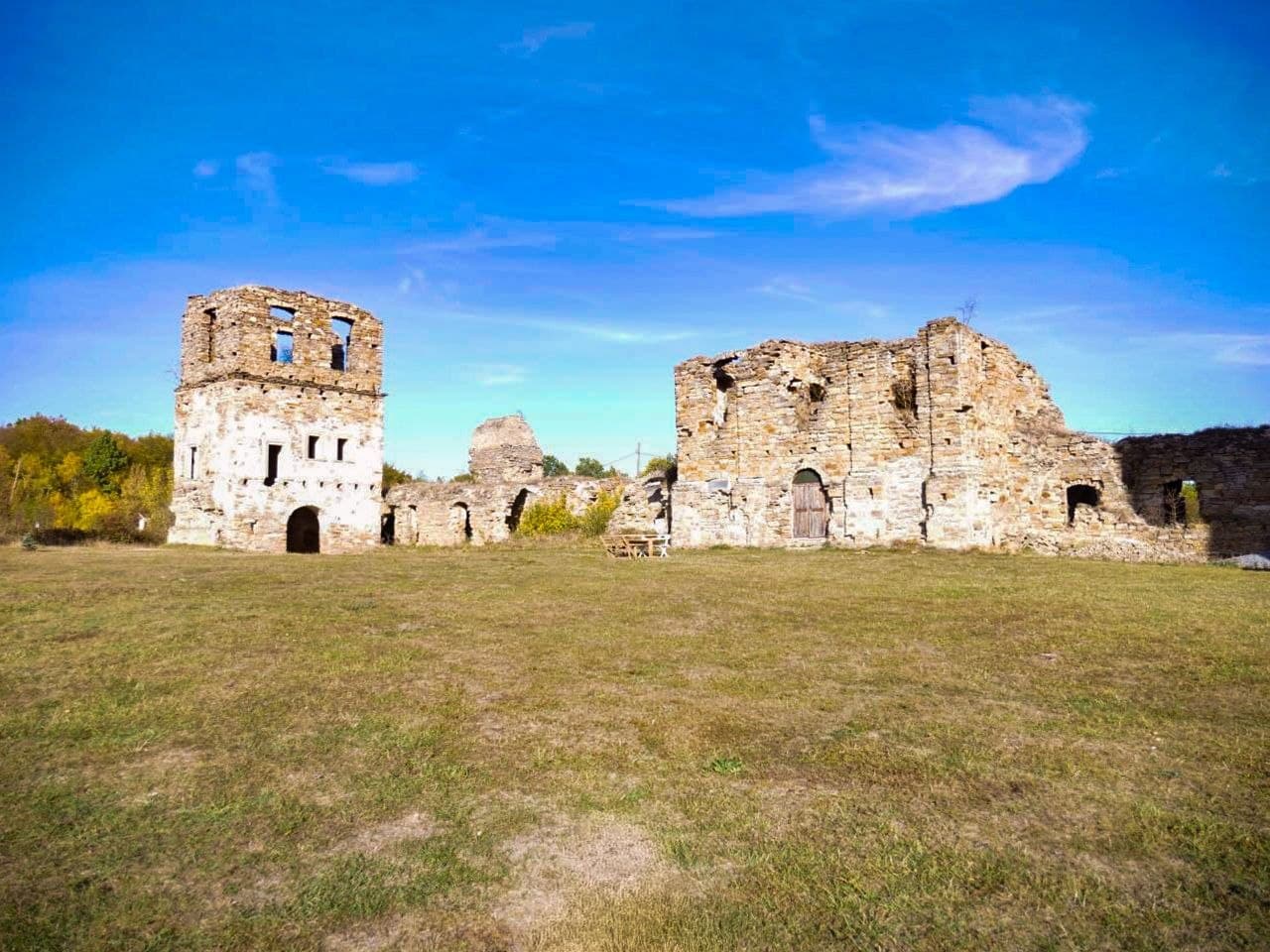
Pidgoriani Holy Transfiguration Fortified Monastery of the Basilian Fathers (Ruins of the Monastery-Fortress)
A unique 17th-century architectural monument of national significance, situated on a high hill near the confluence of the Seret and Hnizna rivers. According to local legends, the monastery existed here as early as the princely era, although the first documentary references date back to 1650. The monastery uniquely combined the functions of a spiritual centre and a powerful fortress. Its courtyard was surrounded by thick stone walls with four corner towers and one gate tower, designed to withstand prolonged sieges. In addition to protecting the region and devoting themselves to prayer, the monks actively pursued scholarly activities. The monastery housed a large library, a school, and even its own astronomical observatory in one of the towers. The miraculous icon of Our Lady of Terebovlia was kept here for a long time. Today, the ruins attract travellers with their breathtaking panoramic views and surviving fragments of ancient defensive structures.